Maryland Governor Wes Moore’s New Approach:A More Moderate Economic Tone for Democrats
 Ting Tang
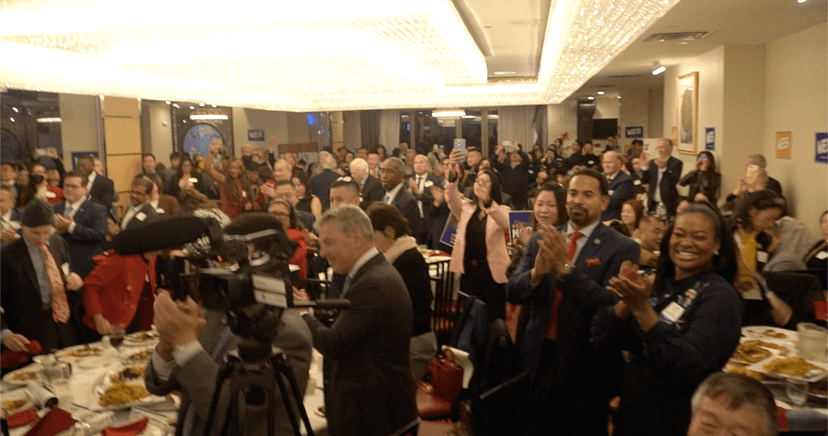
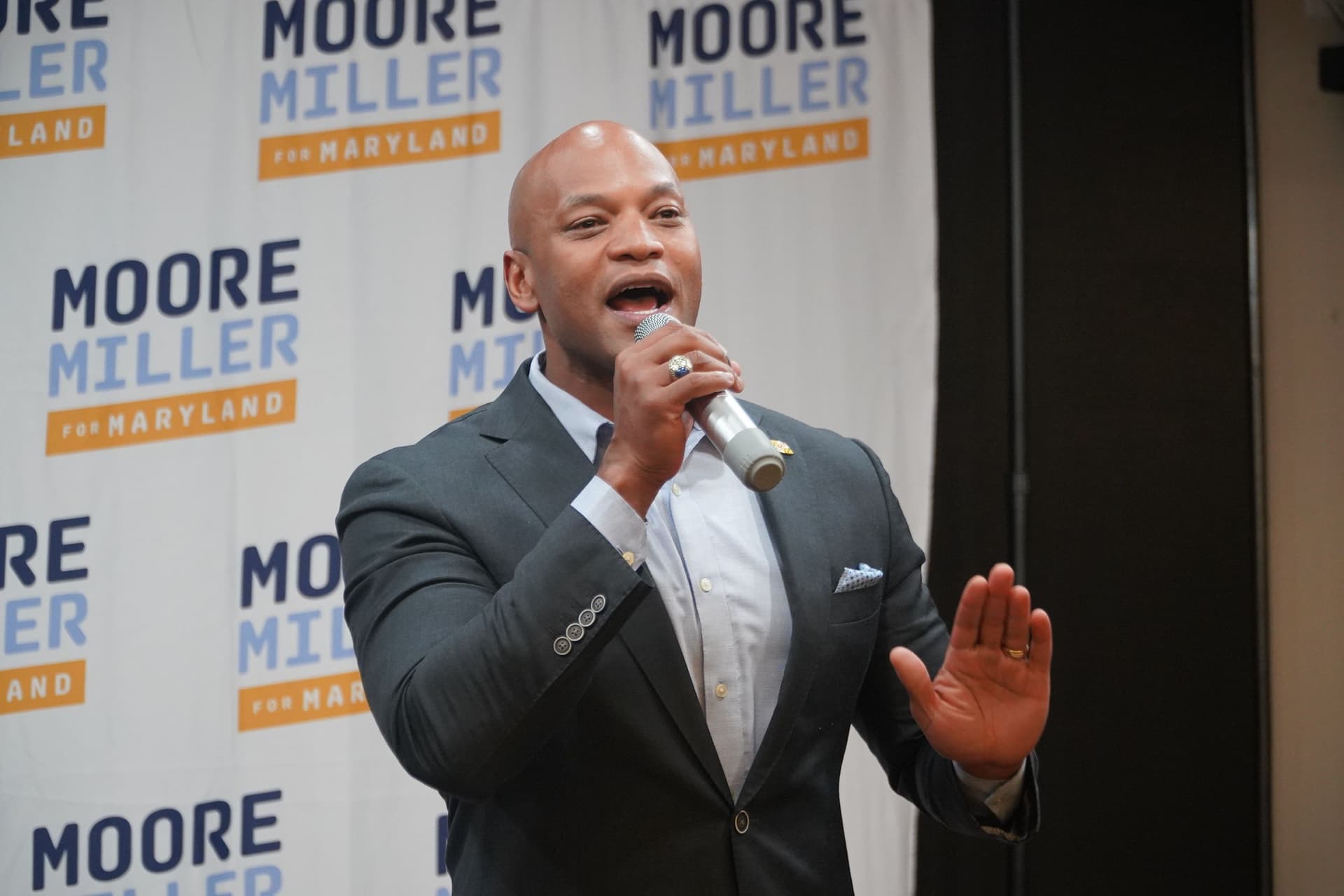
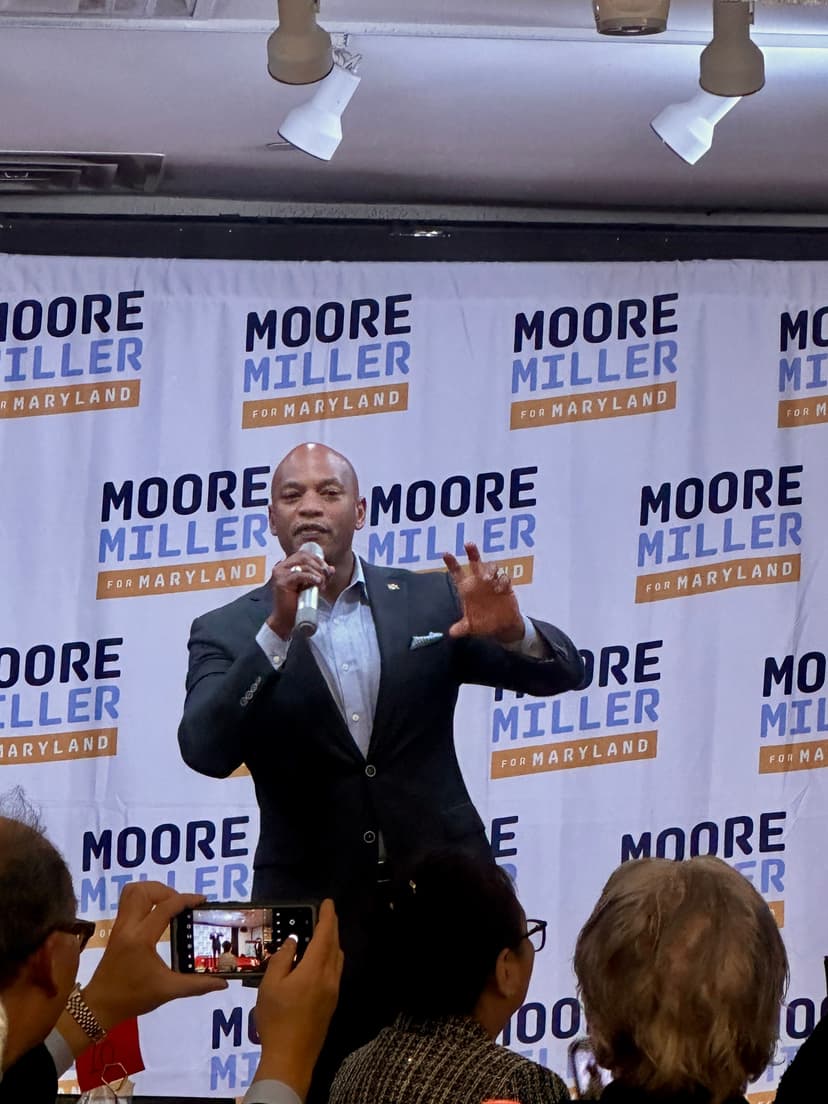
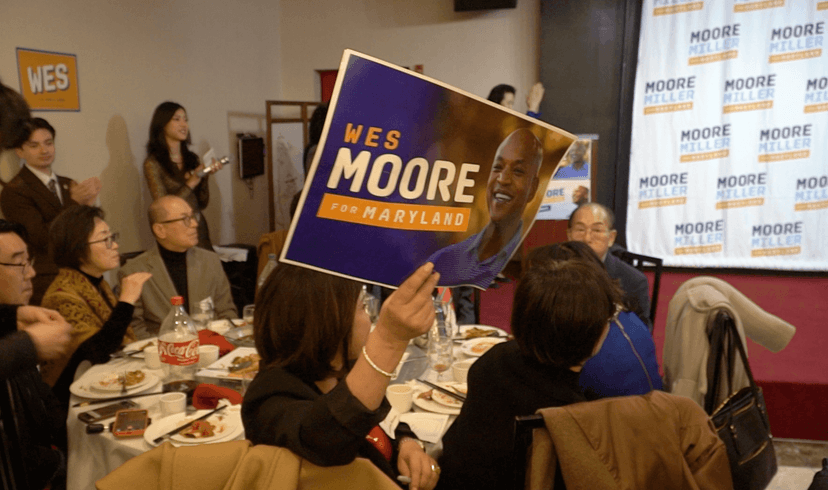
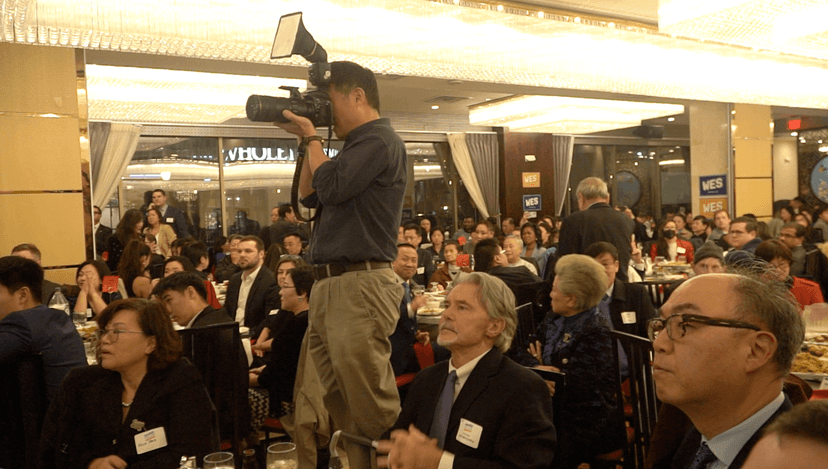
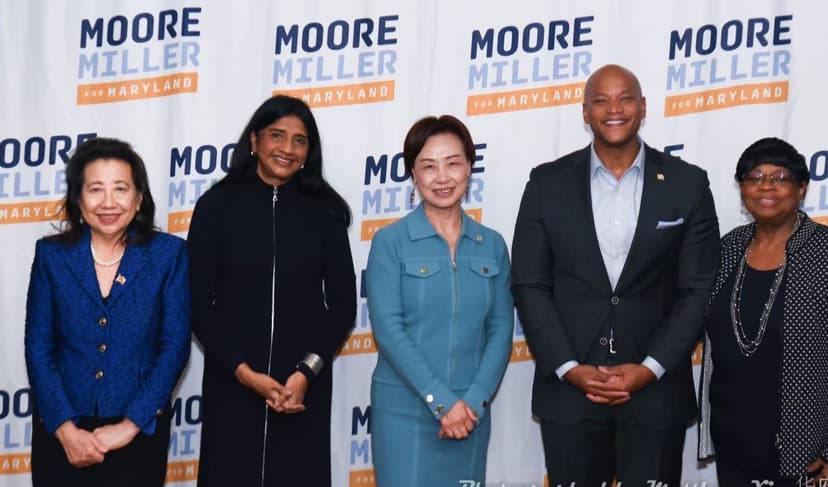
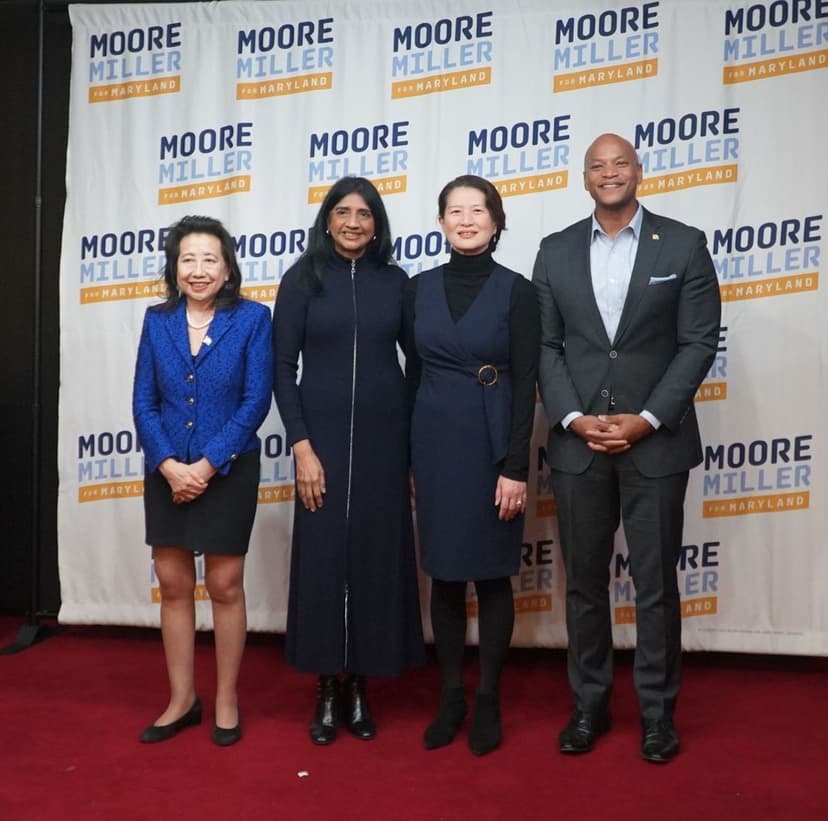
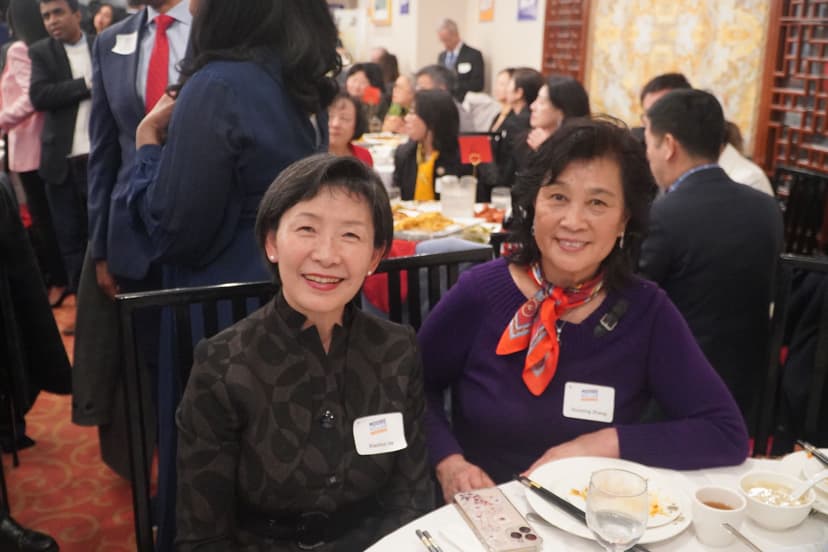
On the evening of January 12, in Rockville, Montgomery County, Maryland, the atmosphere at a fundraising dinner supporting Governor Wes Moore’s re-election campaign was unusually electric. Organized by leaders from the Asian American and Pacific Islander (AAPI) community, the event drew more than 400 attendees and raised over $100,000 for Moore’s campaign in just a few hours.
Yet this was more than a routine fundraising affair. At a moment of federal policy upheaval and acute volatility in the American political landscape, Moore—widely regarded as a rising star within the Democratic Party—used the occasion, along with a series of recent policy signals, to present a distinctive political template: how to fuse an emotionally charged progressive ethos with a cool-headed, business-friendly pragmatism.
Emotional Resonance: Forging Unity Through the Immigrant Narrative
Rather than mechanically reciting policy achievements, Moore chose to anchor his remarks in themes most resonant with the Asian American community: family and education.
“I saw the people who make Maryland so special,” Moore recalled, speaking of his inauguration three years ago, when his mother—an immigrant from Jamaica—sat alongside the mother of Lieutenant Governor Aruna Miller, who emigrated from India. Moore framed that image as a tangible embodiment of the American dream: two immigrant mothers who arrived with modest hopes, witnessing their children sworn in as the highest executive leaders of a U.S. state.
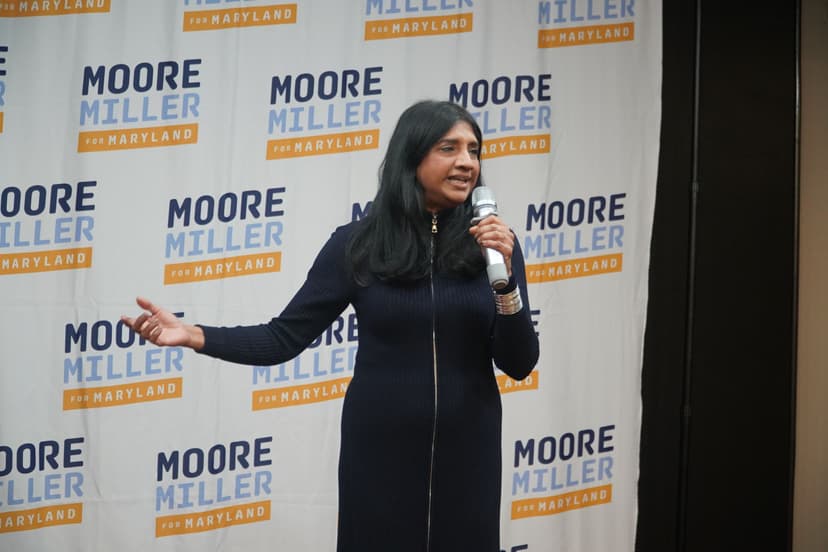
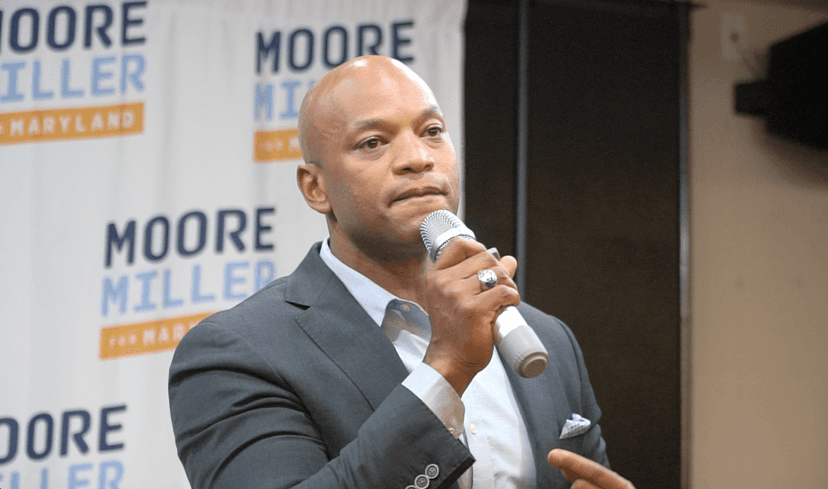
For an audience composed largely of Chinese Americans, along with Korean, Vietnamese, and South Asian attendees, the narrative carried unmistakable emotional weight. Moore repeatedly emphasized that his cabinet is “the most diverse in Maryland’s history,” before adding a carefully calibrated qualifier: “We are proud not only because they are diverse, but because they are the best.” This rhetorical pairing of diversity and inclusion with meritocracy struck a precise chord with Asian American middle-class voters, for whom education and individual advancement remain central values.
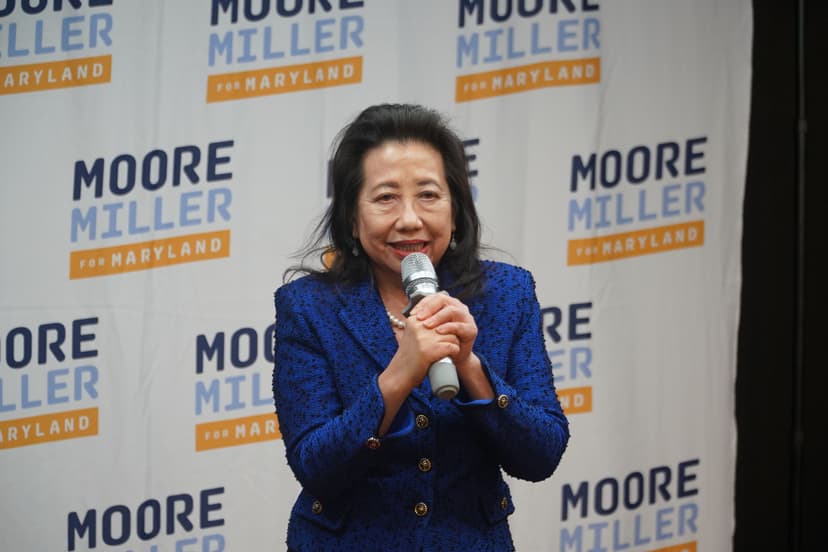
To substantiate this emphasis on merit, Moore went on to name and commend several cabinet officials for their performance, offering particular praise for Asian American members of his administration. He singled out Maryland Secretary of State Susan Lee, lauding her exceptional leadership and professionalism. Moore noted that when the administration sought “the very best person for the job,” Lee proved not merely to be the right choice, but one who delivered results beyond expectations. This explicit recognition of Asian American officials served to reinforce a deeply held aspiration within the community: that competence and effort are seen, acknowledged, and rewarded.
Political Contestation: Confronting Washington While Defending the Federal Workforce
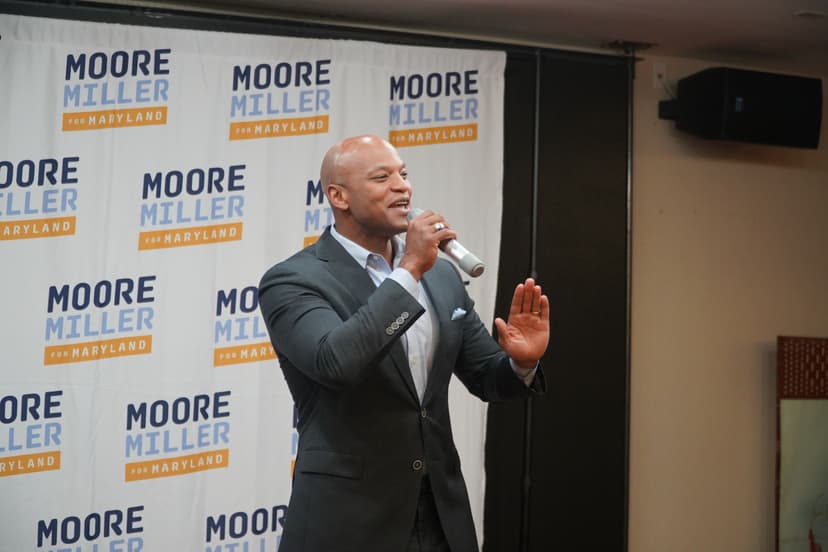
In addressing the Republican-led federal government, Moore adopted a markedly combative tone. He openly criticized federal authorities for governing through fear rather than solidarity, and for attempting to strip resources from local communities.
“In Maryland, we choose to fight,” Moore declared, his voice rising as he spoke about protecting federal employees. With a large concentration of federal workers residing in Montgomery County and Prince George’s County, Maryland faces acute exposure to potential mass layoffs and agency relocations under the new administration. Moore pledged that the state would stand firmly behind these workers.
Political observers note that this stance serves a dual purpose: it establishes Moore as a moral counterweight to federal authority on ideological grounds, while simultaneously safeguarding a core pillar of Maryland’s economy, which remains deeply intertwined with federal employment.
A Pragmatic Turn: Rejecting the Economic Orthodoxy of the Far Left
To view Moore solely through the lens of his impassioned dinner-table rhetoric, however, would be to misread his governing philosophy. His recent remarks in a CNBC interview sketch a more complex—and in some respects, moderately conservative—economic profile.
At a time when elements of the Democratic Party’s progressive wing assert that “the existence of billionaires is a policy failure,” Moore pushed back forcefully: “Poverty is the policy failure.” He argued that entrepreneurial success should be celebrated, and that wealth creation should flow from work and wages rather than from punitive taxation of high earners.
This pro-business posture is reflected in his policy choices:
1. Housing Policy: Moore has rejected calls for aggressive rent caps, instead embracing a supply-side approach. His administration has prioritized identifying underutilized state-owned land, increasing density, and expanding housing construction as tools to combat inflation.
2. Fiscal Discipline: Confronting structural deficits inherited from prior administrations, Moore has submitted a balanced budget for the fourth consecutive year, while pledging not to raise taxes on Maryland residents. He has emphasized economic diversification—particularly in life sciences and aerospace—as a hedge against potential federal job losses.
3. Government Efficiency: Moore has called for transforming state government from a culture of “No and Slow” to one of “Yes and Now.” His language, and the philosophy behind it, often sounds more like that of a chief executive officer than a traditional politician.
This pragmatic shift resonated strongly with many in attendance. Entrepreneurs, scientists, and business leaders interviewed at the event expressed open admiration for what they described as a temperate, market-respecting “Moore economics.” They welcomed a governor who has resisted ideological capture by the far left, instead prioritizing fiscal balance, efficiency, and economic realism. For Maryland’s business and investment community, they said, such rational and predictable governance is a critical source of confidence in the state’s future vitality.
Observation and Outlook: A New Formula for the Democratic Party?
The success of this AAPI fundraising event reflects a broader transformation in Asian American political engagement. No longer a silent voting bloc, Asian American voters are increasingly organized, assertive, and policy-oriented. Moore’s response to this shift may offer a blueprint for a Democratic Party still grappling with the lessons of its setbacks in the 2024 election cycle.
In today’s political climate, voters appear increasingly fatigued by identity politics alone, while concerns over inflation and economic security dominate electoral priorities. Moore’s approach may appear internally divided, but it is strategically calculated: on social issues and values, he maintains a visibly progressive posture to preserve loyalty among minority voters and the party base; on economic and governance questions, he pivots toward the center, emphasizing growth, efficiency, and fiscal responsibility to reassure independents and business leaders.
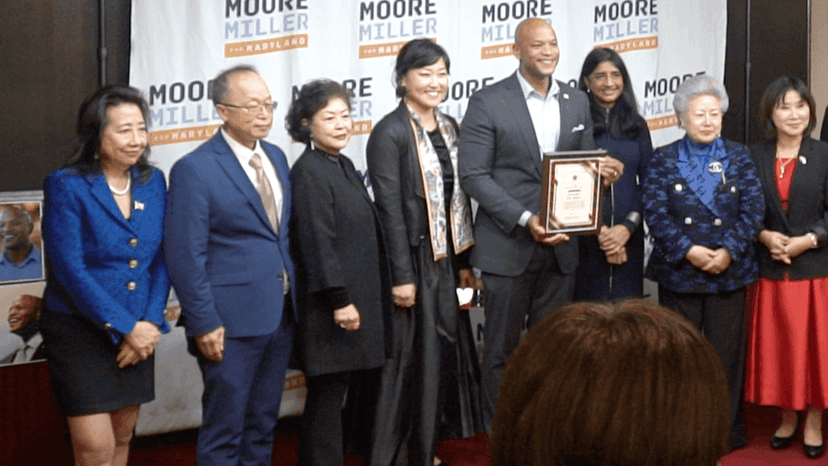
As symbolized by his recognition as “Person of the Year” by local Chinese-language media at the close of the evening, Wes Moore is attempting a delicate balancing act. With one hand, he raises the banner of inclusion and solidarity against a resurgent federal conservatism; with the other, he grips the ledger of growth and efficiency to stabilize Maryland’s economic foundations. Whether this “Moore model” can guide the state safely through a turbulent four years—and whether it might someday serve as a template for national Democratic leadership—remains a question worthy of close and continued scrutiny.