More Than Representation: Delegate Lily Qi and Maryland Policymaking

 Ting Tang
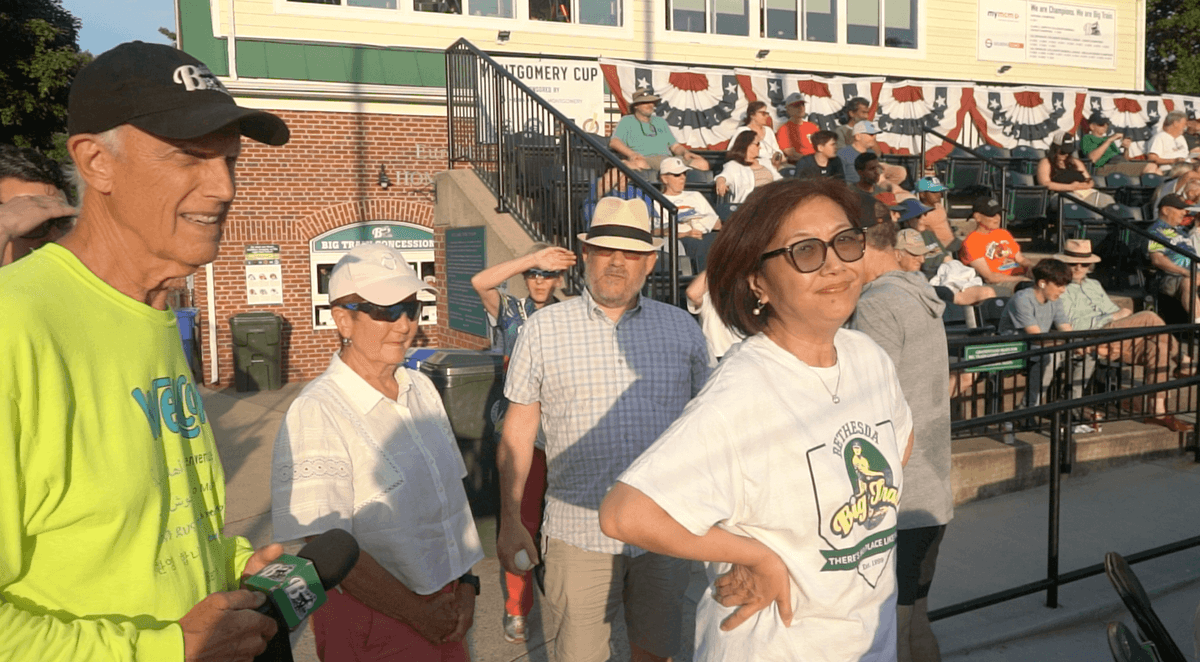
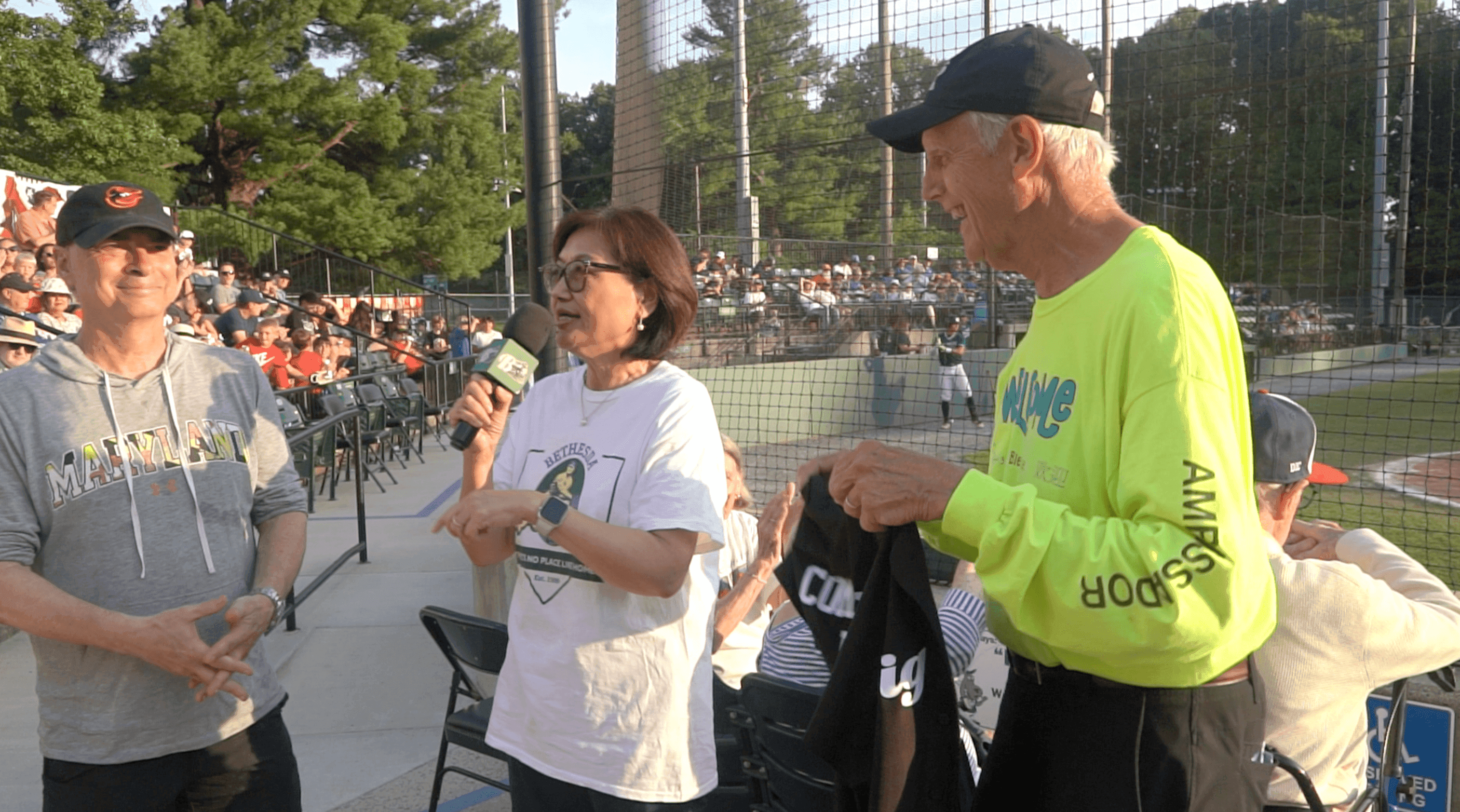
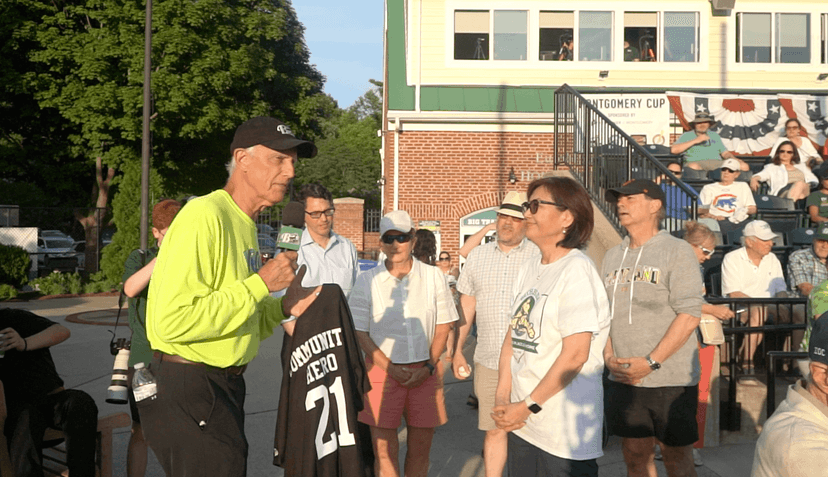
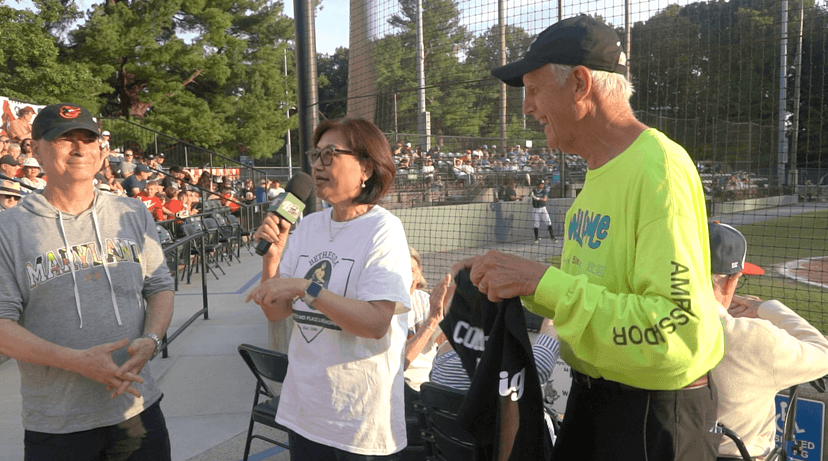
At a recent pre-game ceremony at a baseball field in Montgomery County, Maryland, State Delegate Lily Qi was recognized as a “Community Hero.” Joined by colleagues from the District 15 delegation, she was acknowledged for helping secure state funding for improvements to the facility and was presented with a commemorative jersey bearing the number of baseball legend Roberto Clemente.
While the ceremony celebrated a local achievement, it also reflected a broader trend in public service. Increasingly, elected officials are judged not only by the communities they represent, but also by their ability to develop policy, secure public resources, and deliver practical results. Delegate Qi’s legislative work provides an example of this evolving role.

From Representation to Policymaking
Political scientist Hanna Pitkin distinguished between descriptive representation—representing a community through shared identity—and substantive representation—advancing policies that address public needs. While both remain important, voters often place greater emphasis on measurable outcomes and effective governance.
Delegate Qi’s career reflects this broader expectation. Before joining the Maryland House of Delegates, she worked in economic development at the county level. Today, as Chair of the Economic Development Subcommittee, her legislative work focuses on issues including economic competitiveness, clean energy, advanced manufacturing, workforce development, and implementation of statewide programs such as the Family and Medical Leave Insurance (FAMLI) program. These policy areas affect residents across Maryland and extend well beyond questions of demographic representation.
Experience Shapes Public Service
An elected official’s background often influences how they approach public service. Delegate Qi’s forthcoming book, which recounts her personal and professional experiences, provides additional context for understanding her perspective.
Born in Shanghai and immigrating to the United States in 1989, Qi brings experiences shaped by two different political and social systems. Like many first-generation immigrants, she has spoken about the importance of stable institutions, the rule of law, economic opportunity, and active civic participation. These experiences help explain her emphasis on economic development, community investment, and long-term planning.
Rather than focusing primarily on political labels, her legislative priorities generally reflect practical questions of economic growth, public infrastructure, and government effectiveness.
Local Government in Action
The new irrigation system at the baseball field, funded through an $800,000 state bond bill, illustrates how state government can support local communities. Although infrastructure projects rarely attract significant public attention, they often have a direct impact on the quality of community life.
The collaboration among Delegate Qi and the District 15 delegation also demonstrates how state legislators work with local governments, community organizations, and colleagues to secure funding for neighborhood priorities. Effective policymaking often depends on understanding local needs, building partnerships, and navigating the legislative process.
For Maryland’s growing Asian American community, public service is increasingly about more than representation alone. As more Asian Americans serve in elected office, attention naturally shifts from who holds office to how they govern and what they accomplish. Delegate Qi’s career reflects that broader development—one in which leadership is measured by public service, legislative work, and contributions to the communities they serve.