A Live Lesson in America’s Diversity
AAPI Heritage Month Event at Montgomery College Reflects a New Phase of Asian American Civic Engagement
 Ting Tang
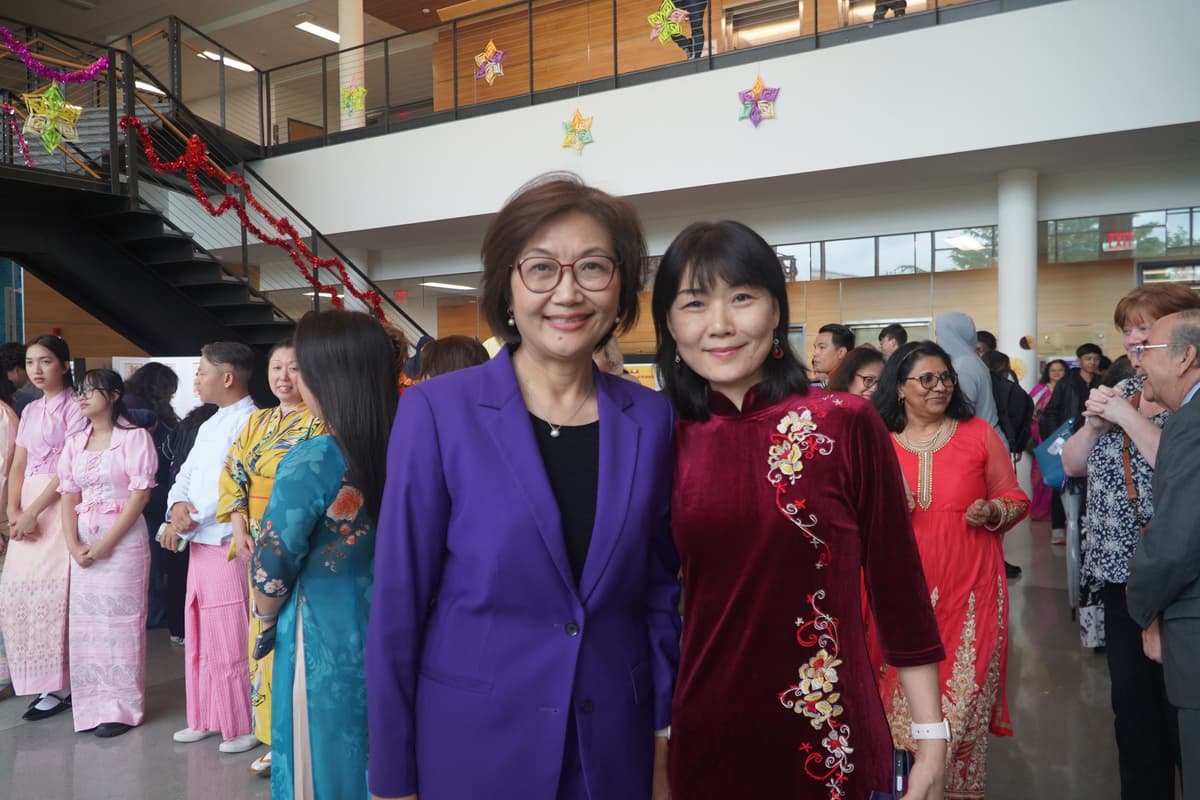
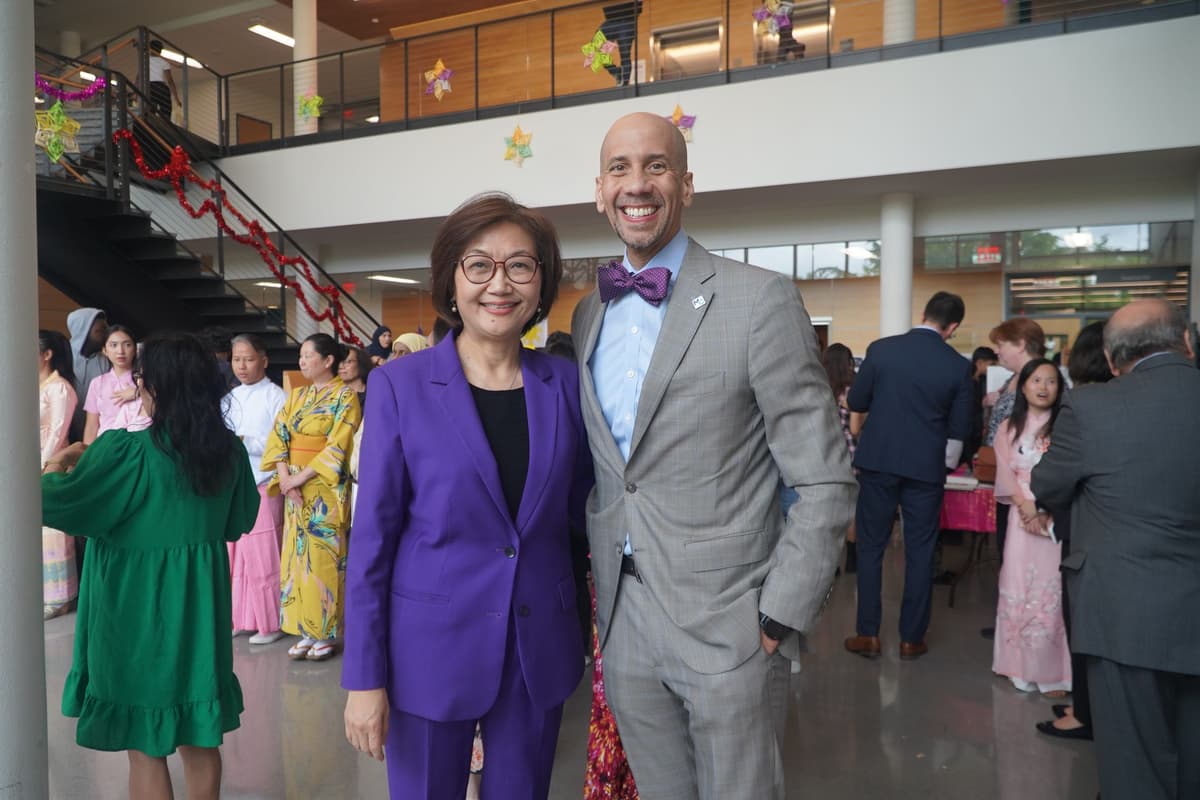
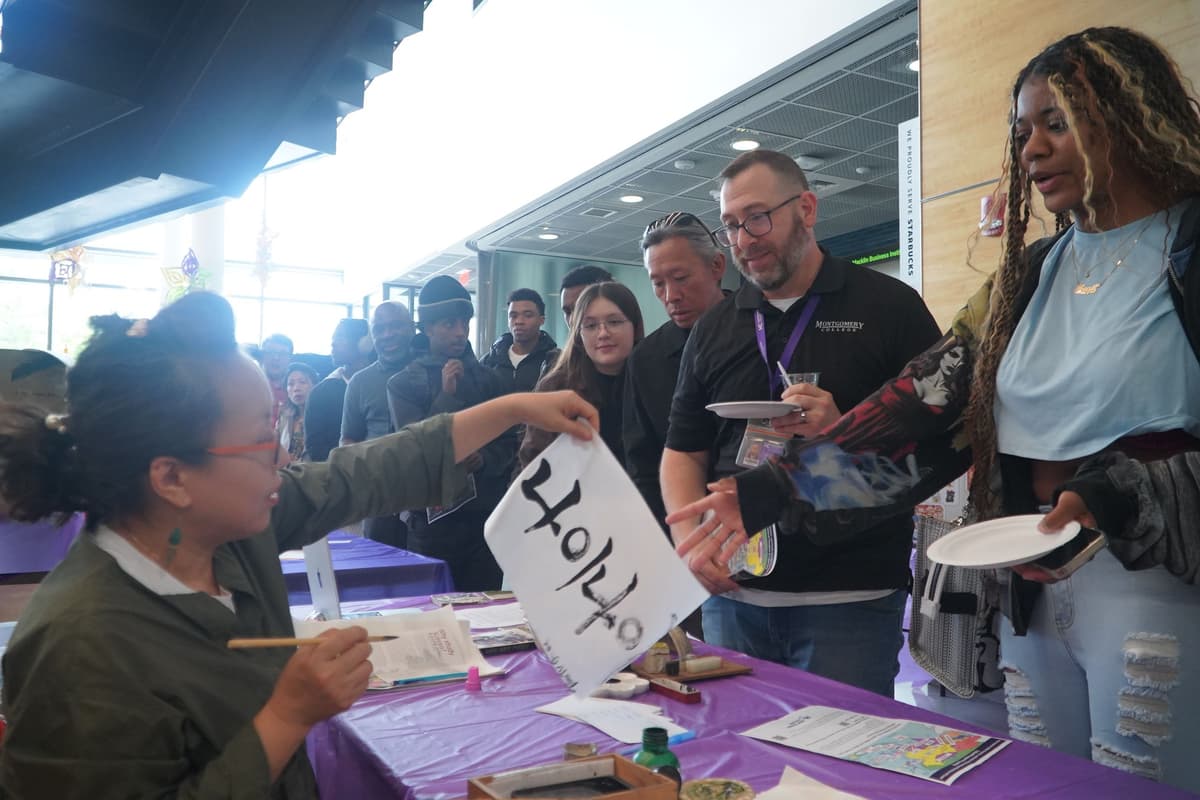
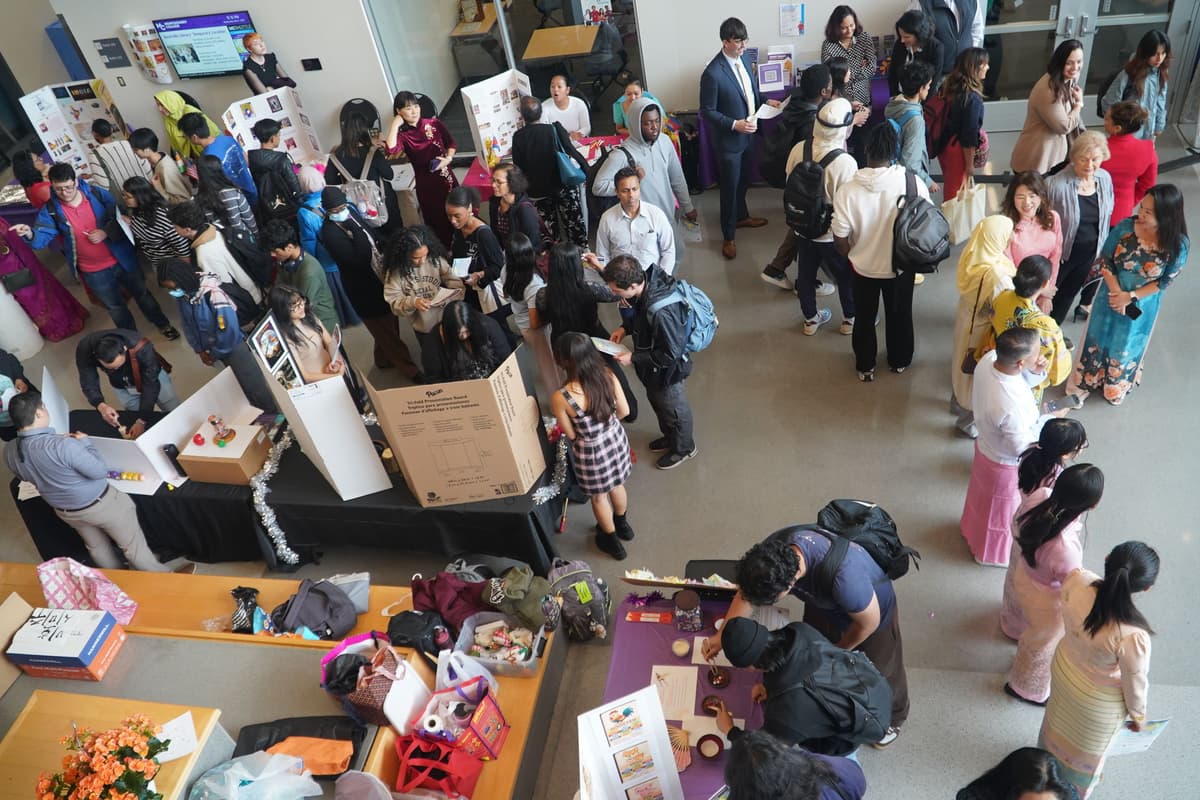
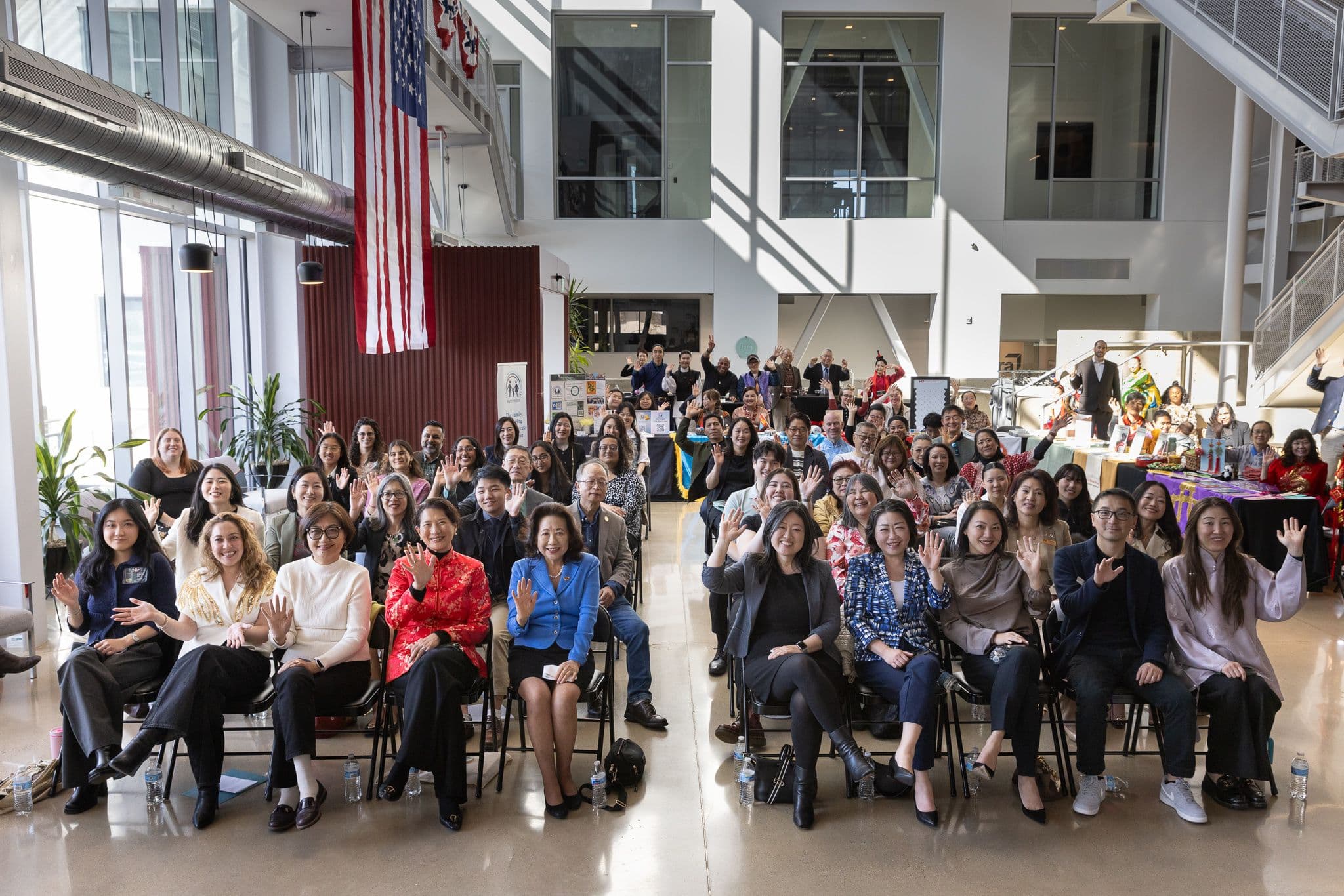
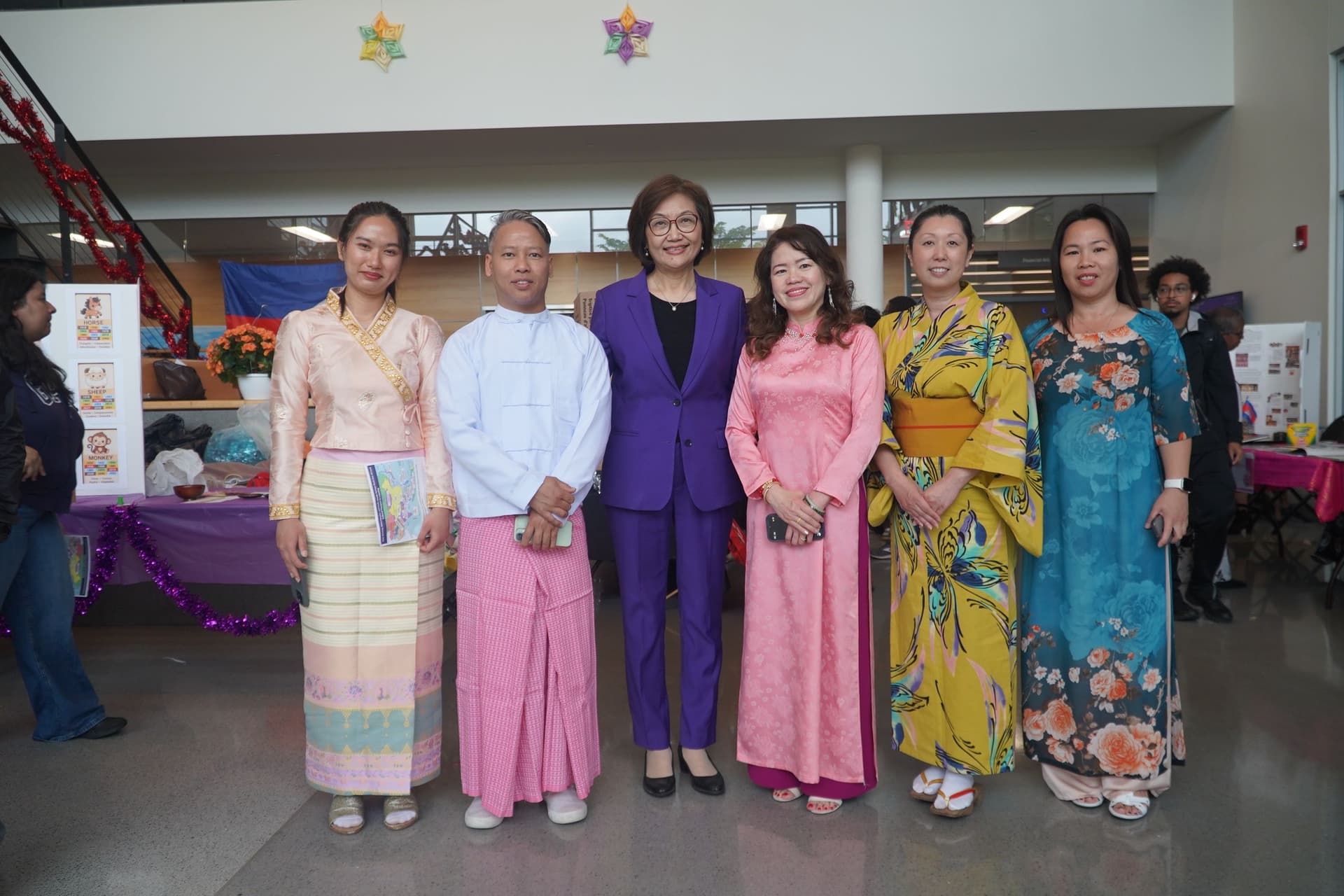
Montgomery College in Maryland held its Asian American and Pacific Islander (AAPI) Heritage Month kickoff event on May 6, bringing together students, community organizations, and elected officials from a wide range of Asian backgrounds. Through cultural exhibits, traditional attire, folk displays, and public speeches, the event showcased the cultural heritage and evolving identity of Asian communities in American society.


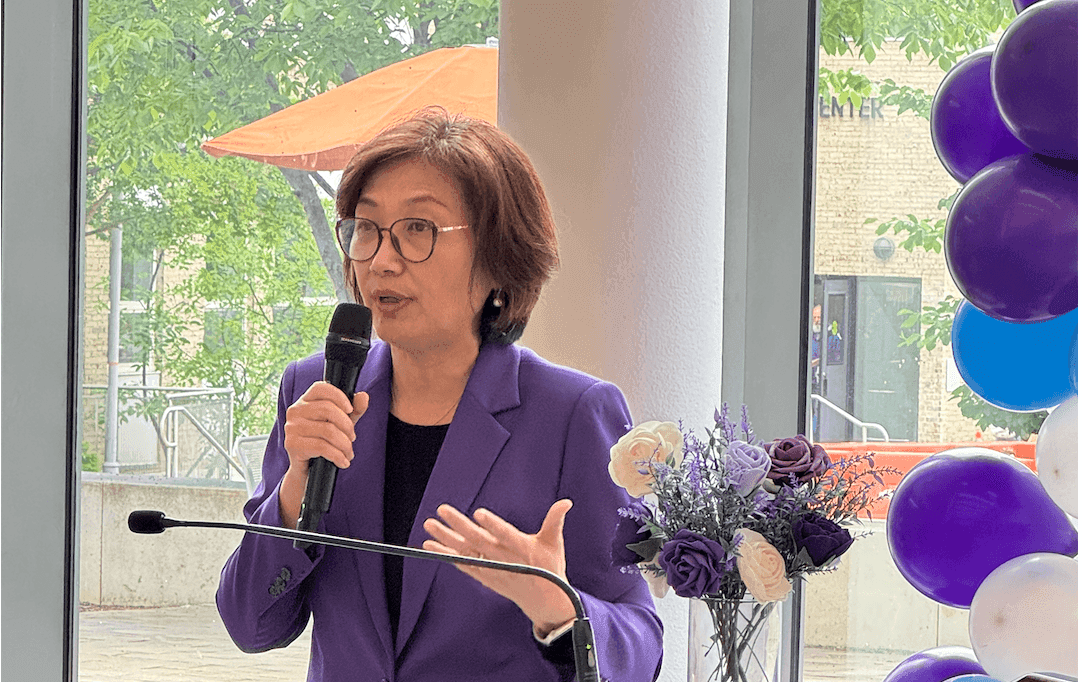
Maryland State Delegate Lily Qi delivered the keynote address. As the first Chinese immigrant elected to the Maryland General Assembly, she spoke about identity, civic participation, and public responsibility through the lens of her own immigrant journey.
“Only in America can you run for office and get elected by people who can’t even pronounce your name,” she said during her speech, drawing applause from the audience.
Qi recalled growing up in China during a turbulent era before coming to the United States alone with only $300 in her pocket. Three decades later, she now serves in the Maryland legislature. She noted that what transformed her life was not merely personal hard work, but a social system that allows outsiders to participate in public life.
She emphasized the importance of “stepping up.” In her view, many immigrant communities have long seen themselves as outsiders, but in American society, a sense of belonging is not automatically granted — it is built gradually through community involvement, voting, and participation in civic affairs.
“Your cultural background is not a disadvantage. It is an advantage,” Qi told the audience. She argued that the United States is undergoing profound demographic and cultural change, and that Asian Americans and immigrant communities are becoming an increasingly important part of the country’s future. “Some people say immigrants make America less American. But we are America.”


The atmosphere of the event suggested that it was no longer merely a traditional “cultural festival.”
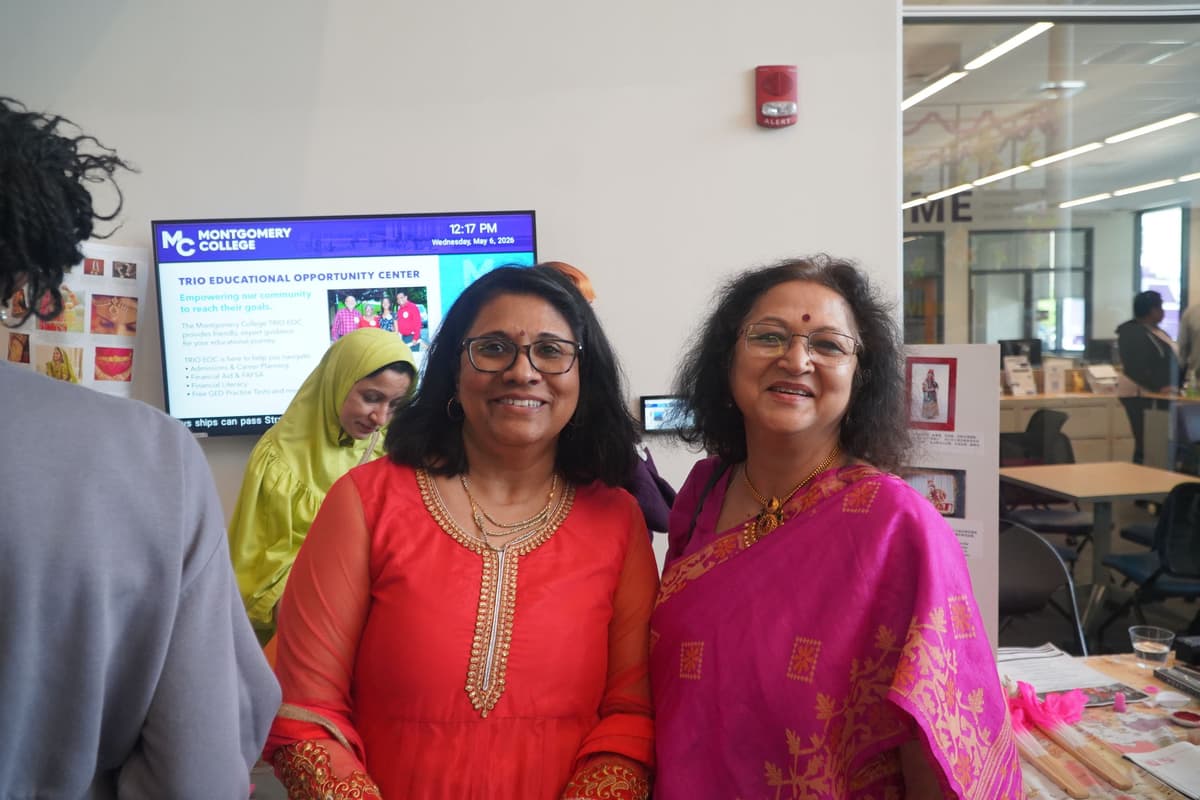
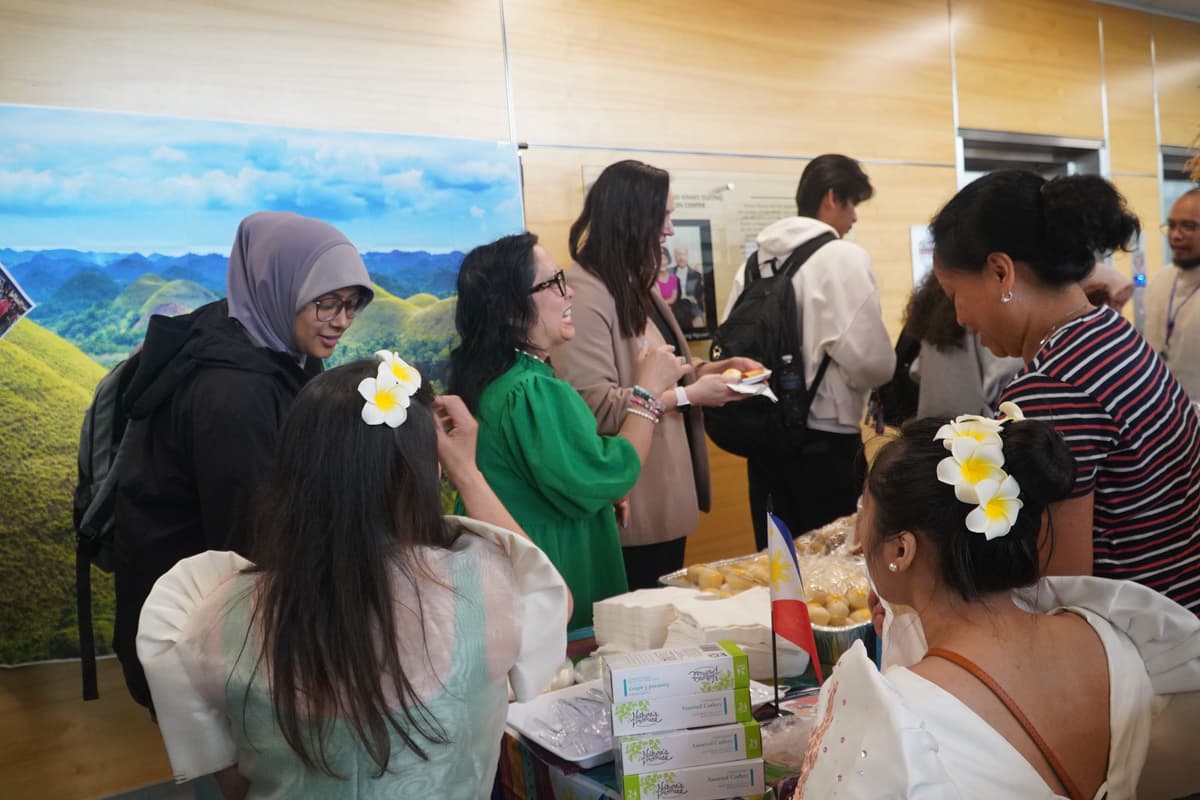
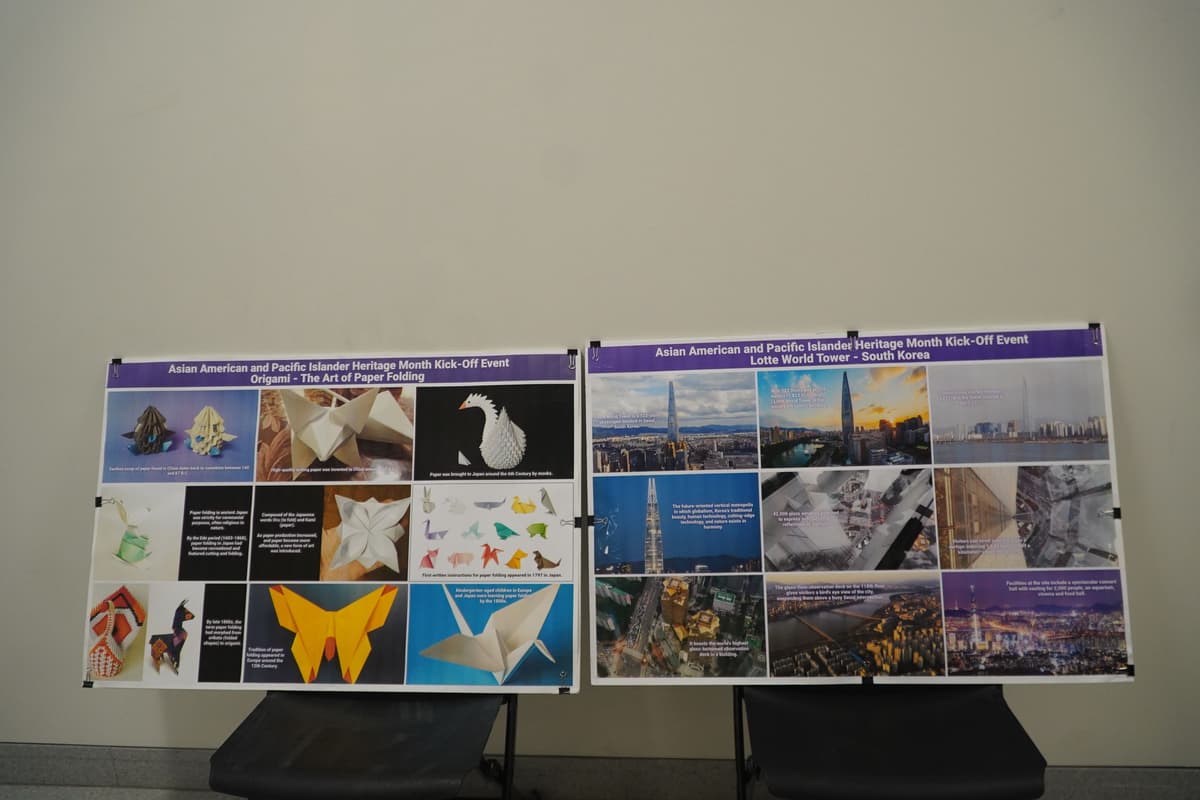
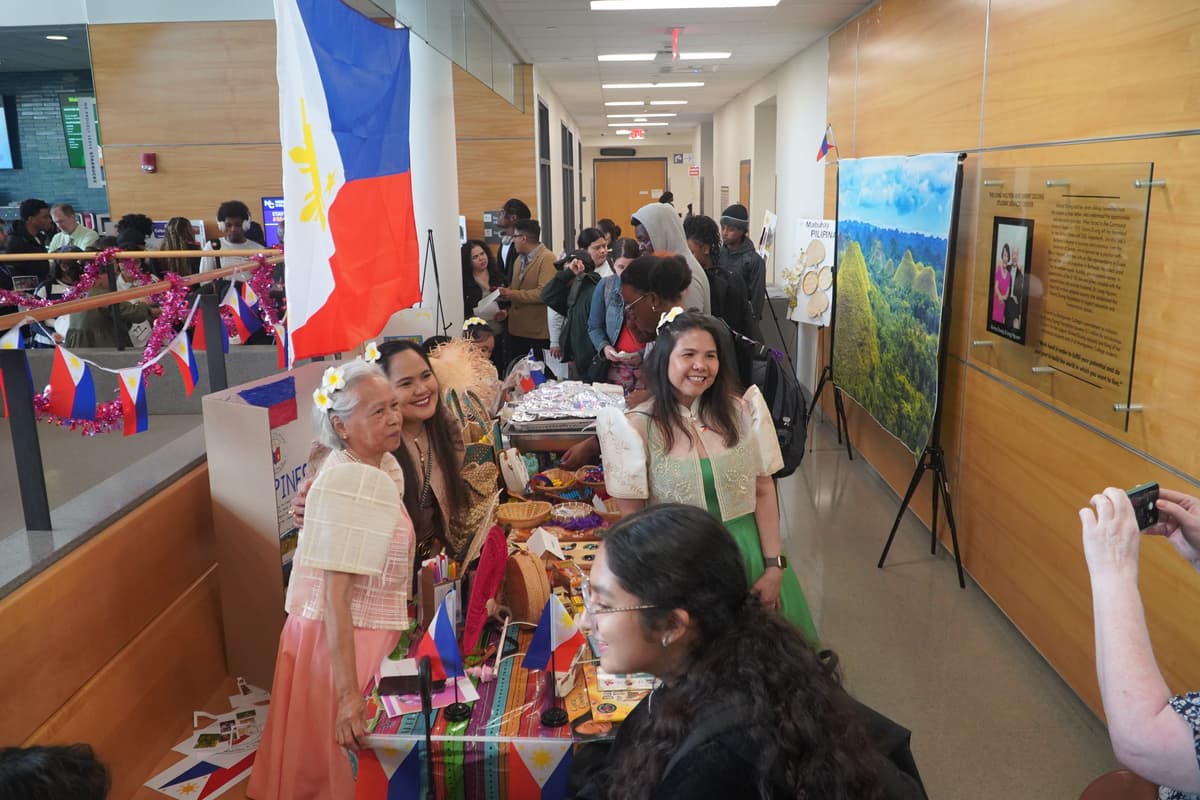
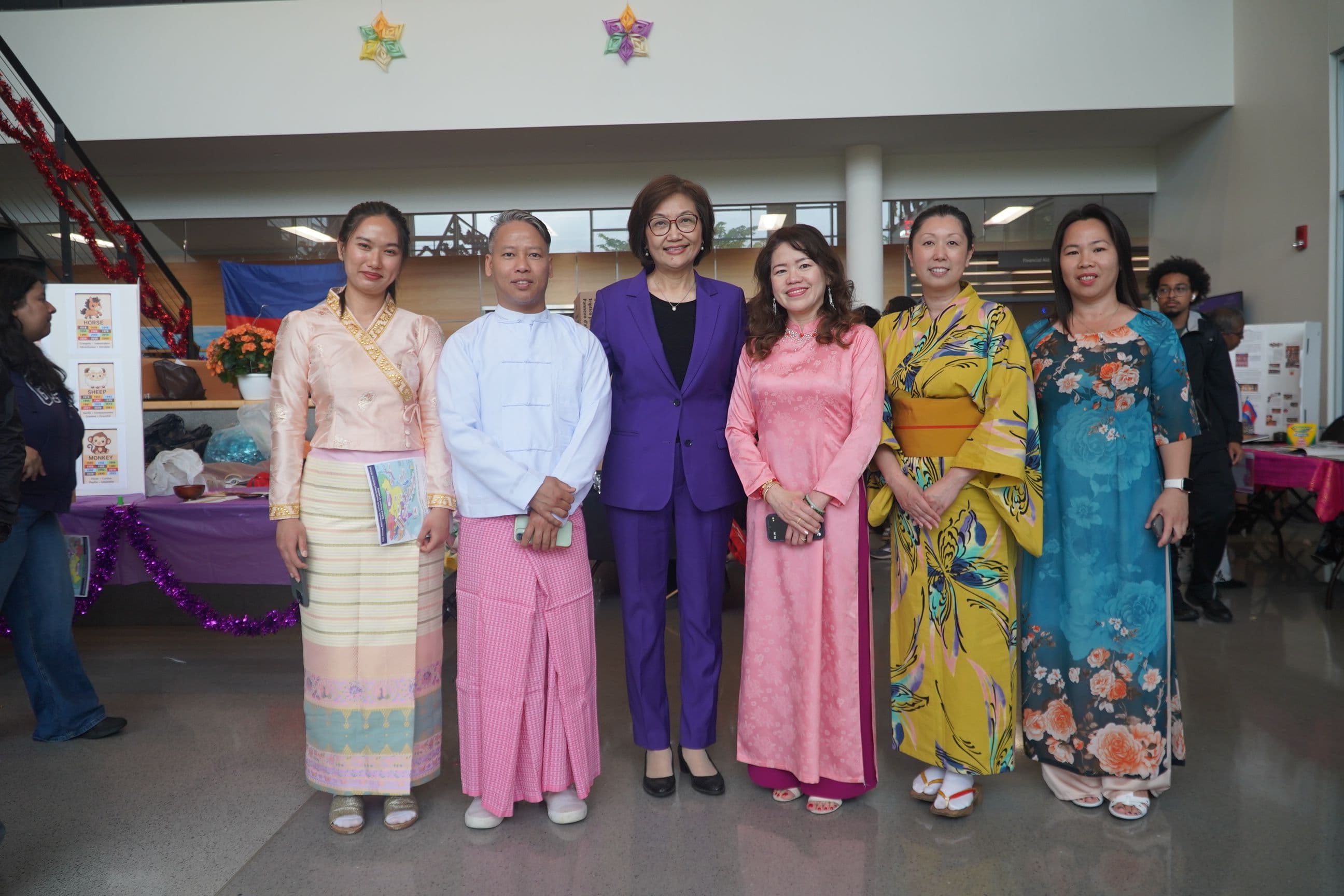
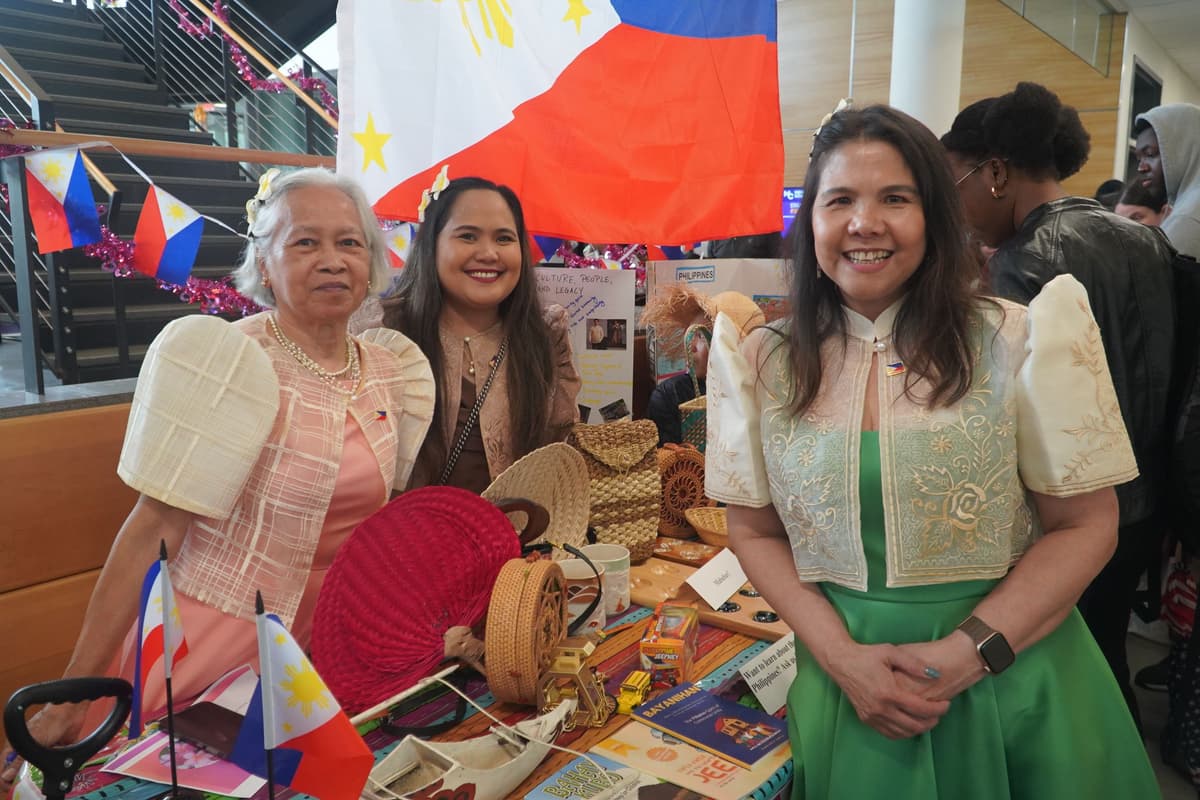
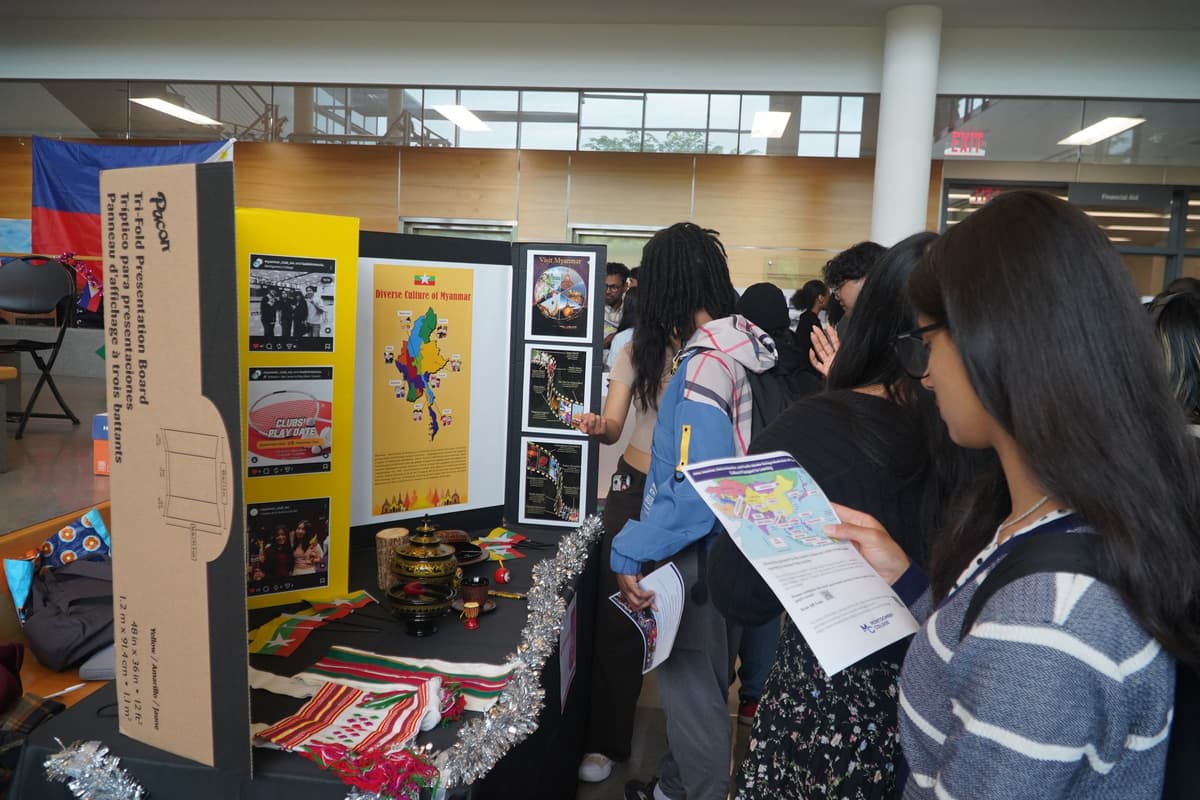
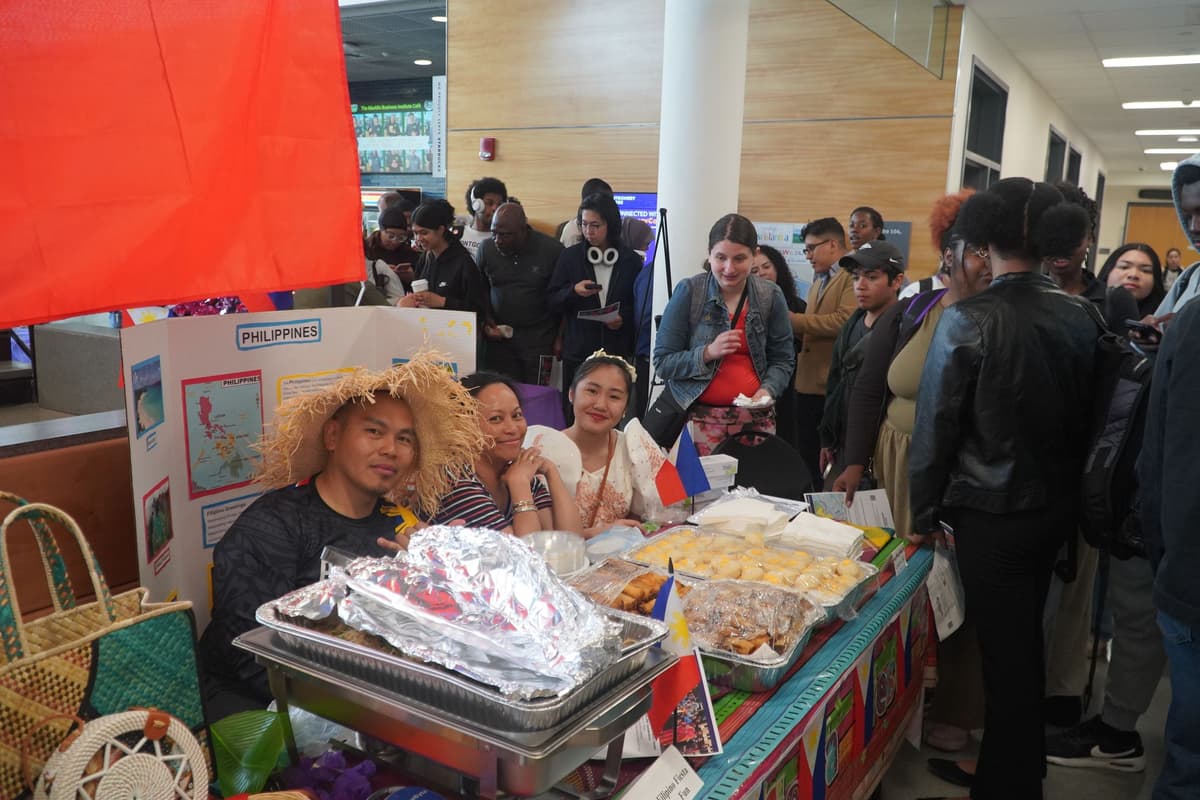
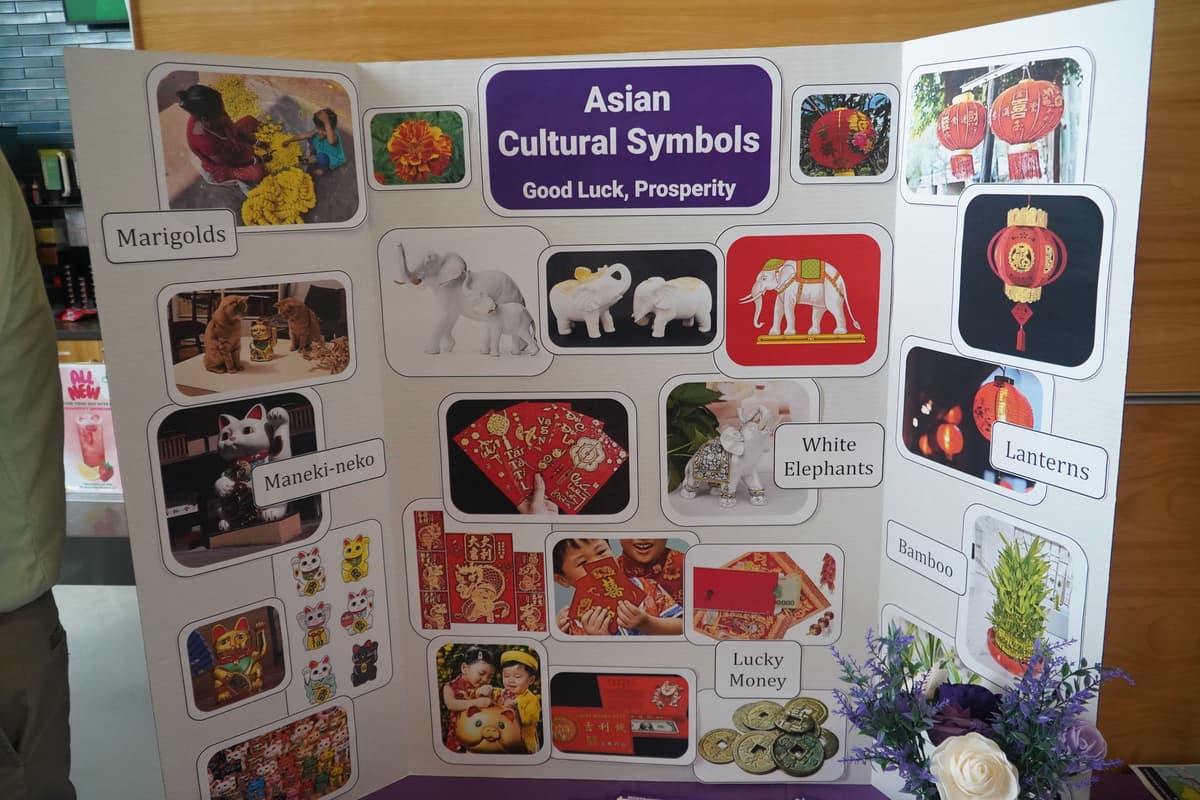
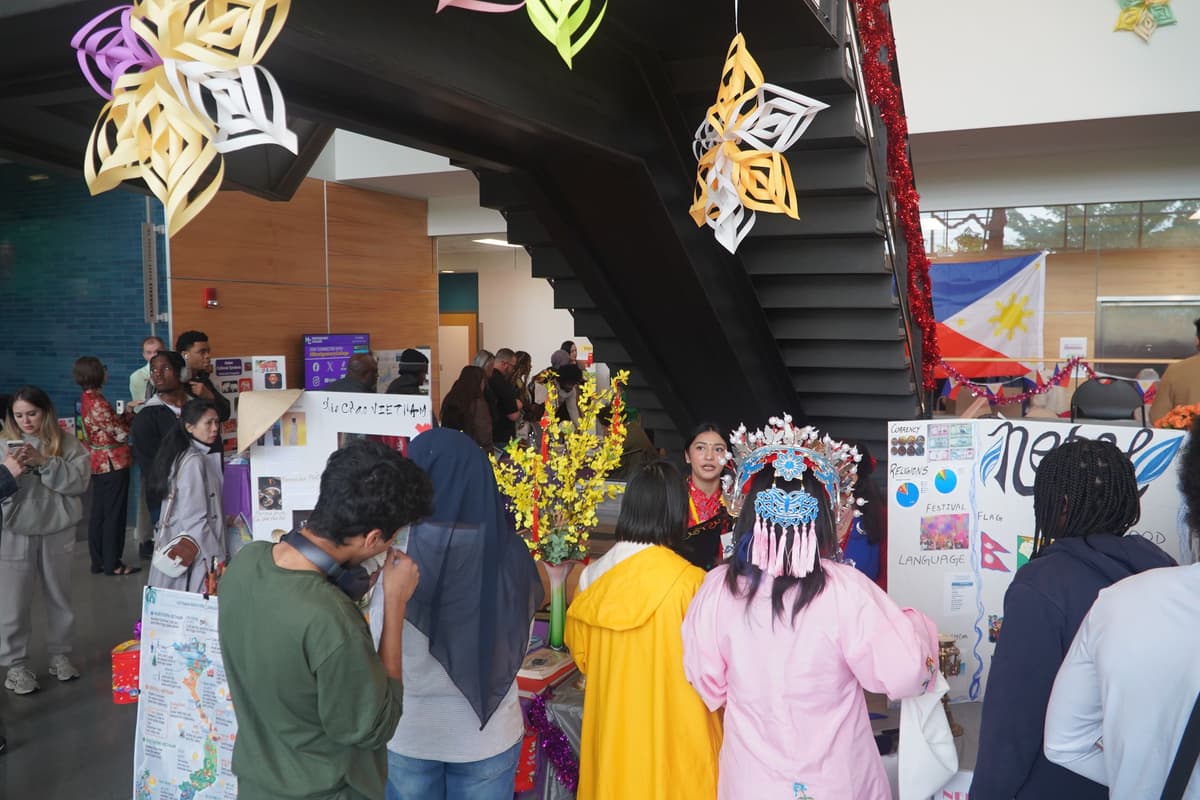
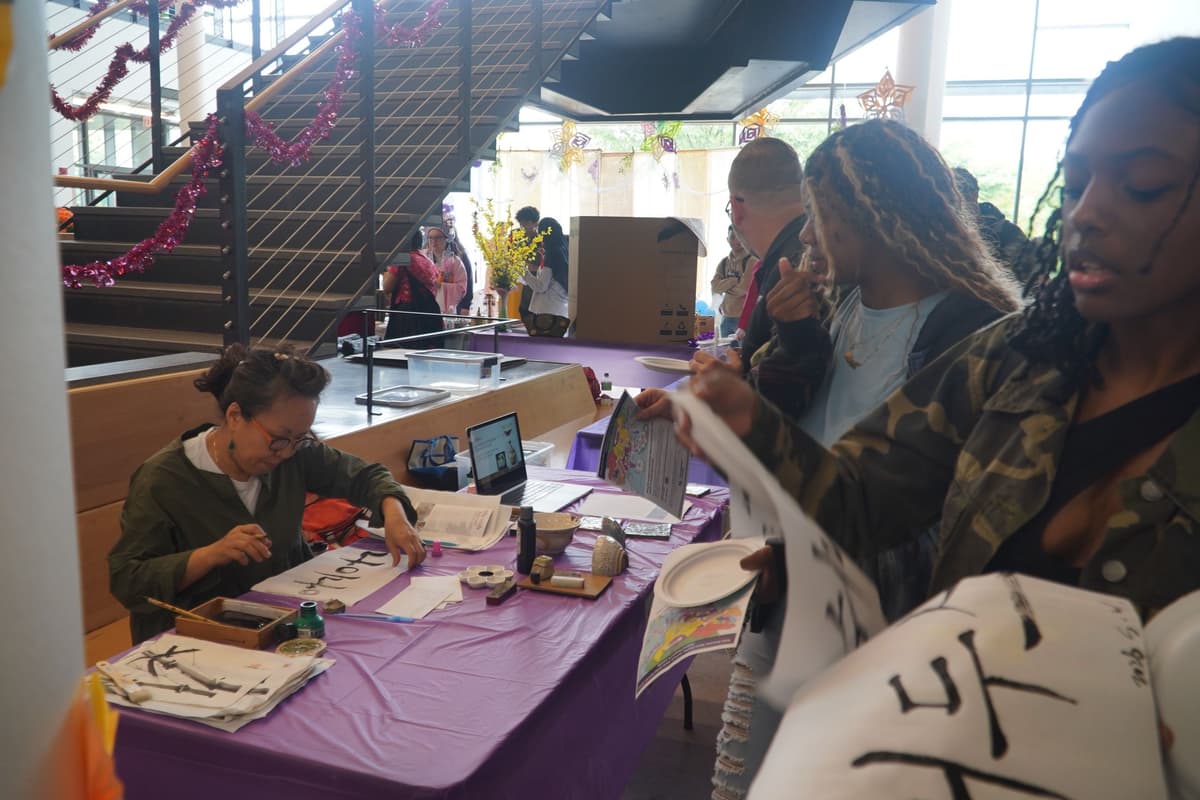
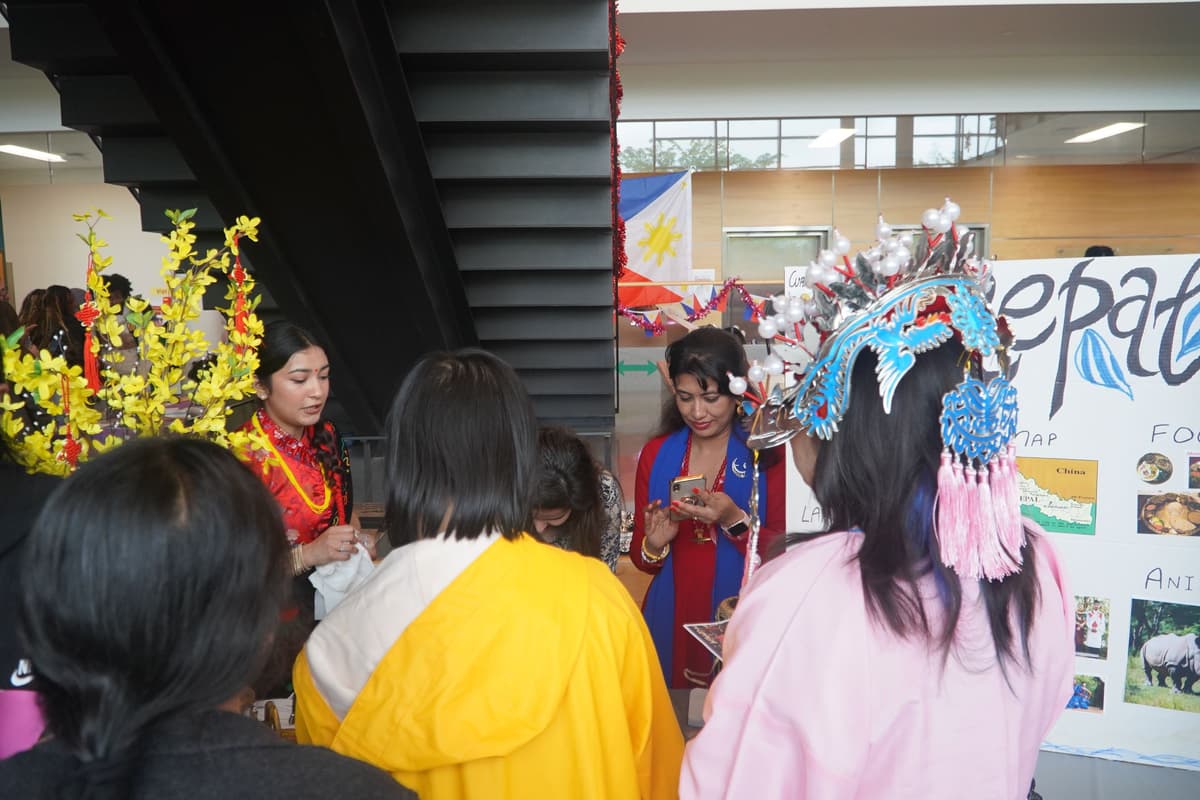
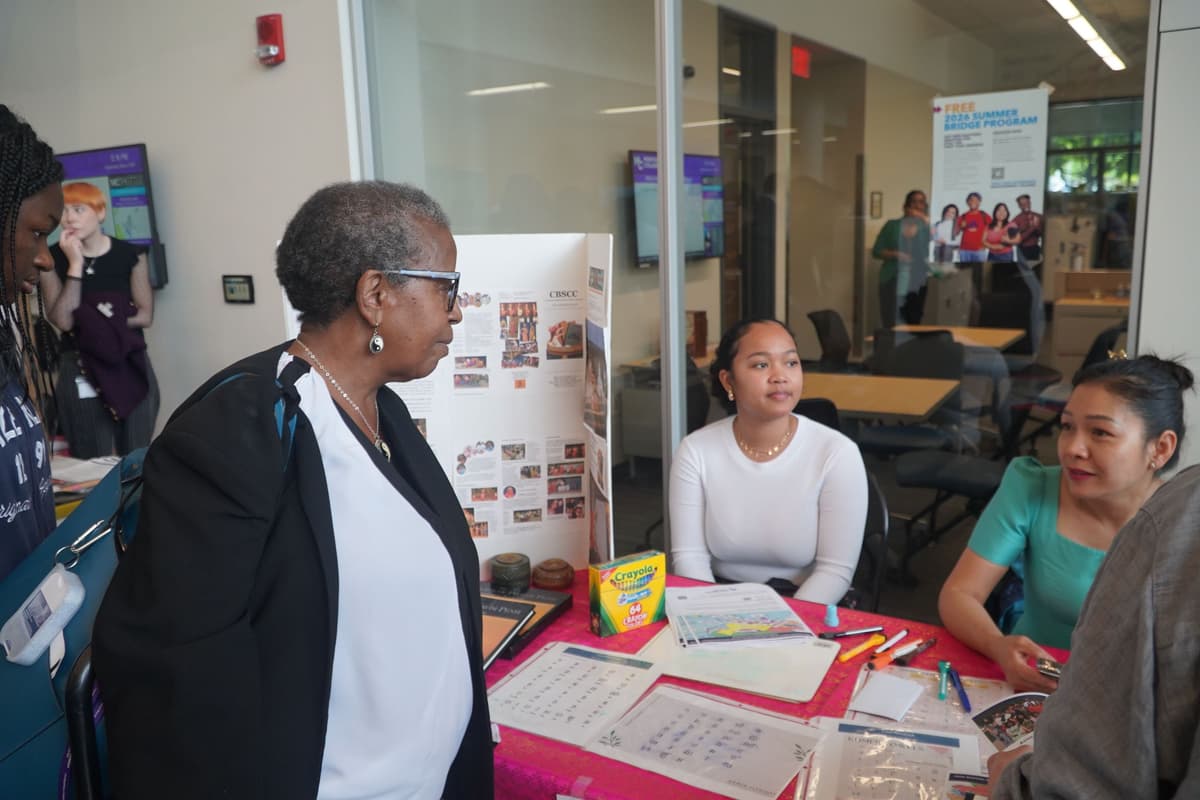
Inside the hall, the Philippine booth displayed traditional food and handicrafts, while the Sri Lankan exhibit highlighted local wildlife, geography, and ecological diversity. Korean cultural posters introduced the art of origami and Seoul’s Lotte World Tower. Students and families from Myanmar, India, and other communities attended in traditional dress. Young attendees moved through the venue taking photos, exchanging ideas, and collecting informational materials. The space felt less like a festival and more like a public exhibition of identity.
That transformation itself reflects a broader shift in the role of Asian Americans in the United States.
For decades, Asian Americans were often perceived as the “quiet minority” — highly focused on education and professional achievement, yet less engaged politically. In recent years, however, issues ranging from anti-Asian hate crimes to immigration policy debates, college admissions controversies, and equity initiatives have pushed many Asian Americans to recognize that economic success alone does not guarantee a meaningful public voice.
Qi specifically noted in her remarks that “political engagement was my ticket from outsider to insider.” She encouraged young Asian American students to vote and become involved in local governance, arguing that such participation will shape not only individual futures, but also the long-term position of Asian communities within American society.
Notably, Montgomery College — the host of the event — has in recent years been designated an AAPI Serving Institution. Behind that designation lies more than campus diversity; it reflects a broader effort within American higher education to rethink how institutions support Asian students, immigrant families, and multicultural communities.
Montgomery County itself has become one of the fastest-growing Asian population centers on the East Coast. Chinese, Korean, Indian, Vietnamese, and Filipino communities are increasingly evolving from immigrant enclaves into influential forces in local politics, education, and commerce.
In many ways, the event served not only as a cultural celebration, but also as a small preview of America’s future social structure.
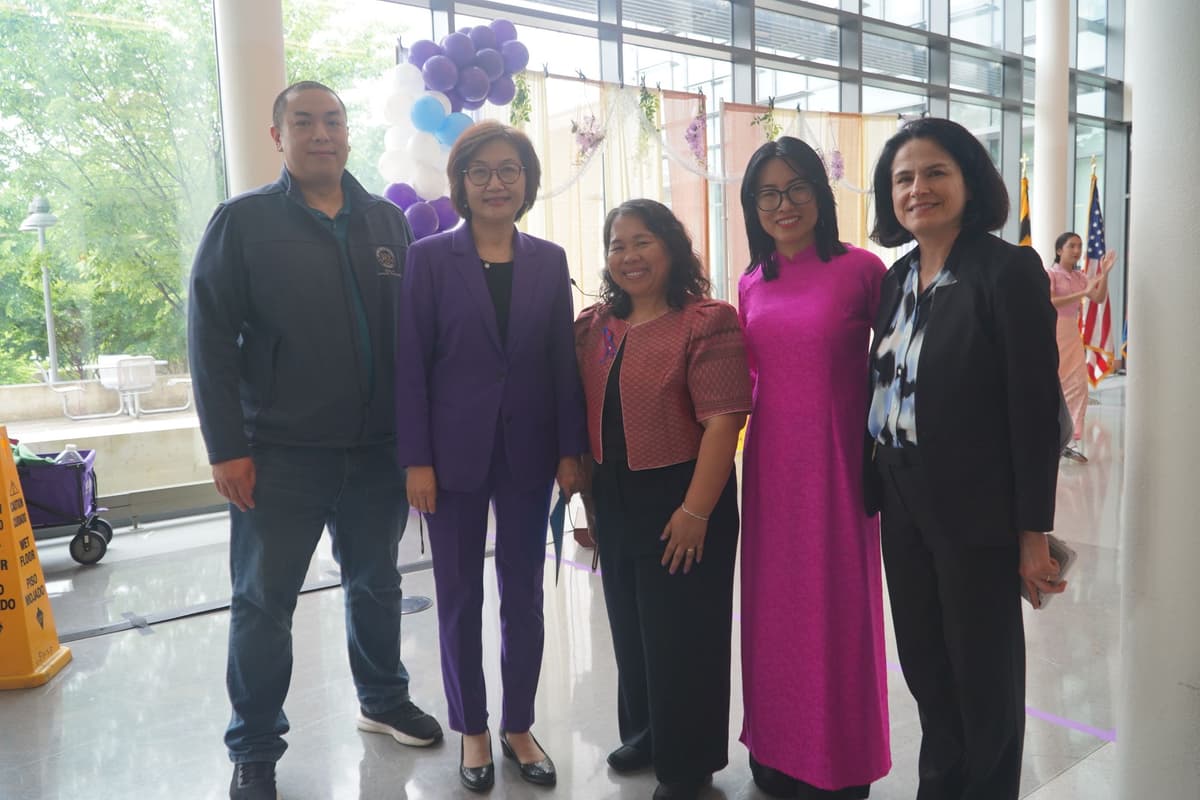
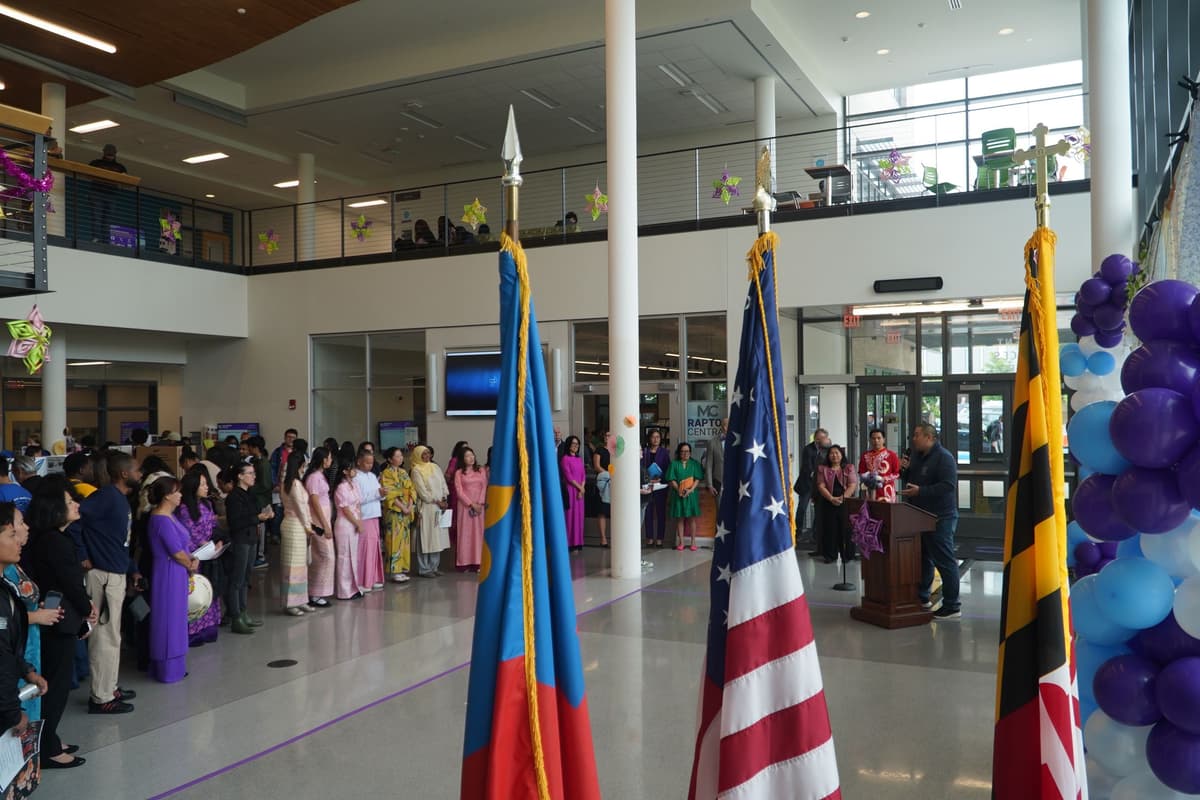
National flags hung above the stage while young students in traditional attire took selfies and posed for photos. Nearby, elected officials discussed voting, community organization, and civic participation.
Culture is no longer merely decorative. It is becoming a form of public power.
And perhaps that is one of the clearest realities emerging in America today: Asian Americans are no longer just observers of the American story. Increasingly, they are becoming its authors.