Asian Americans Write a New Chapter in Maryland at the 250th Anniversary of the United States
Echoes of an Era, A Relay of Civilization
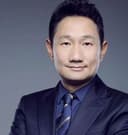 Ting Tang
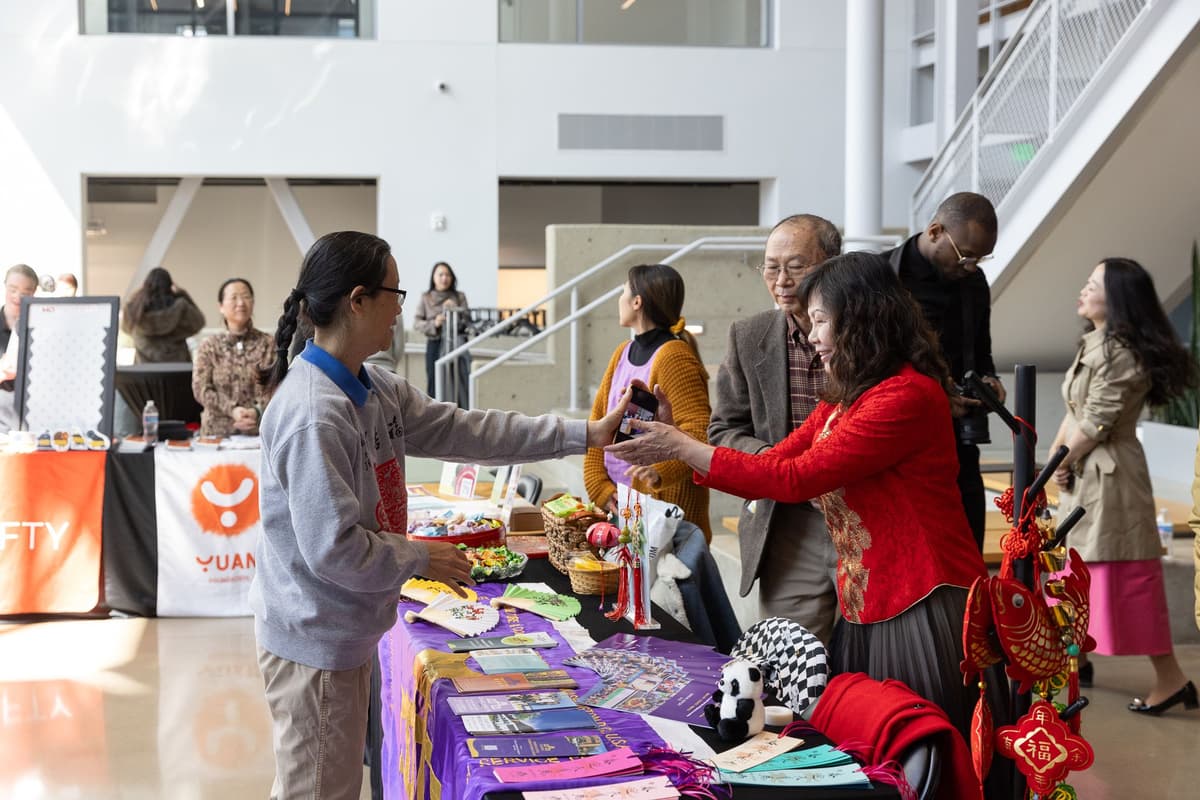
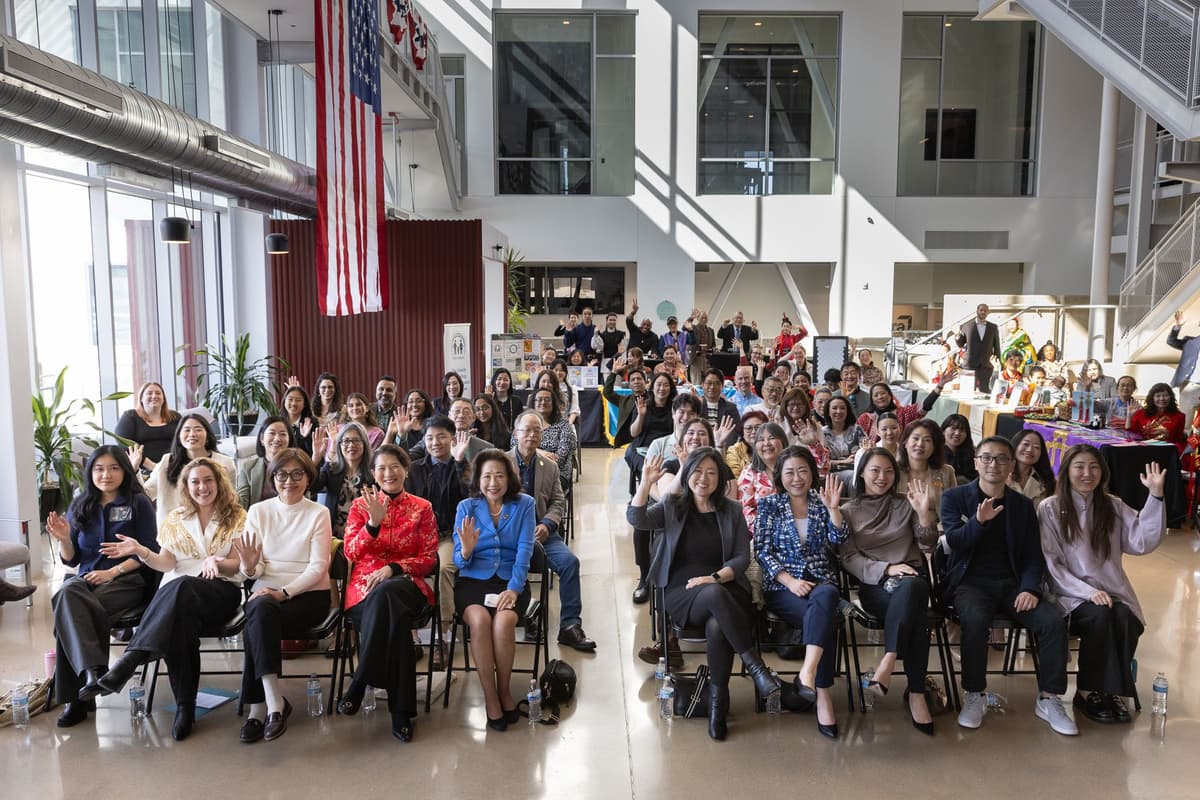
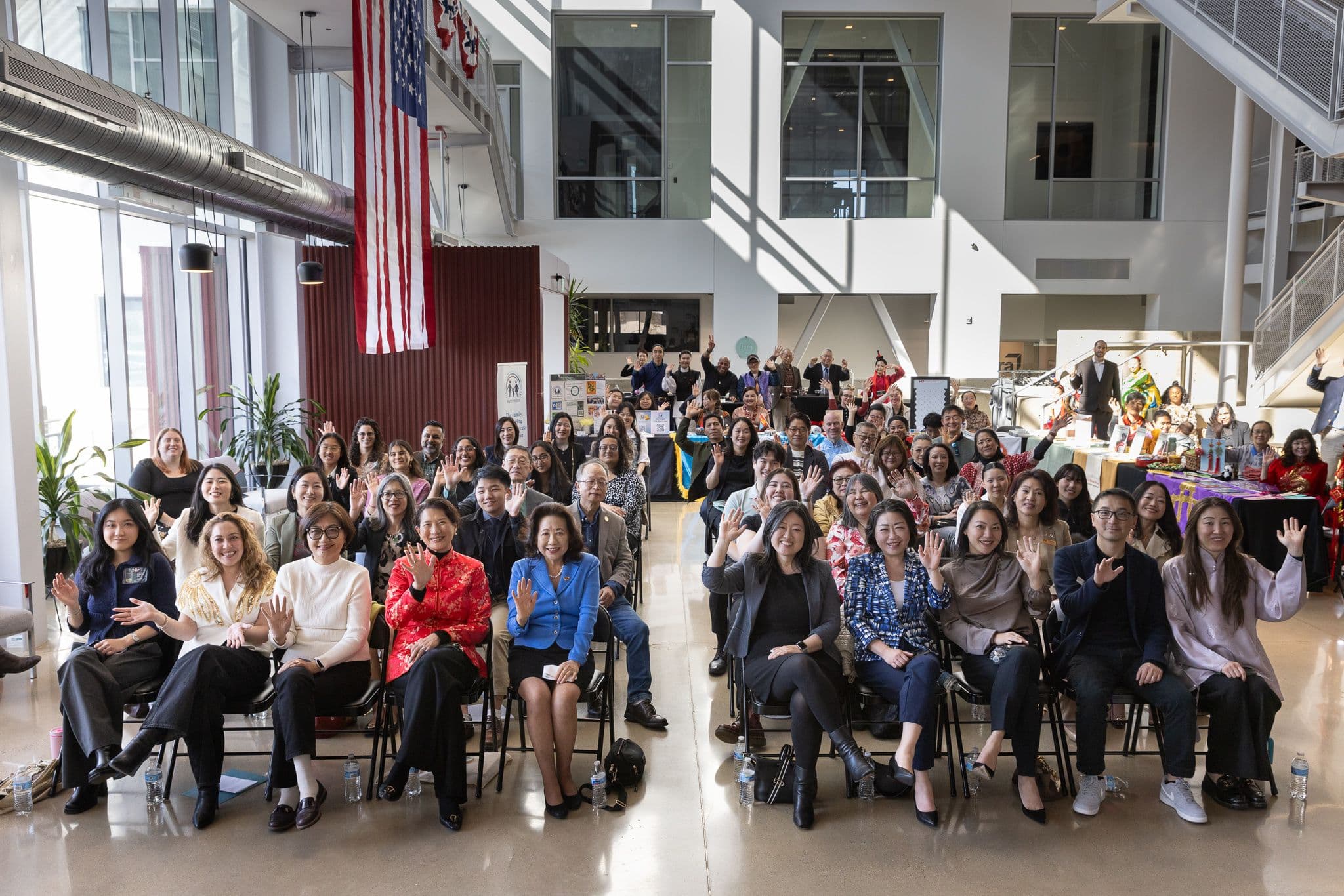
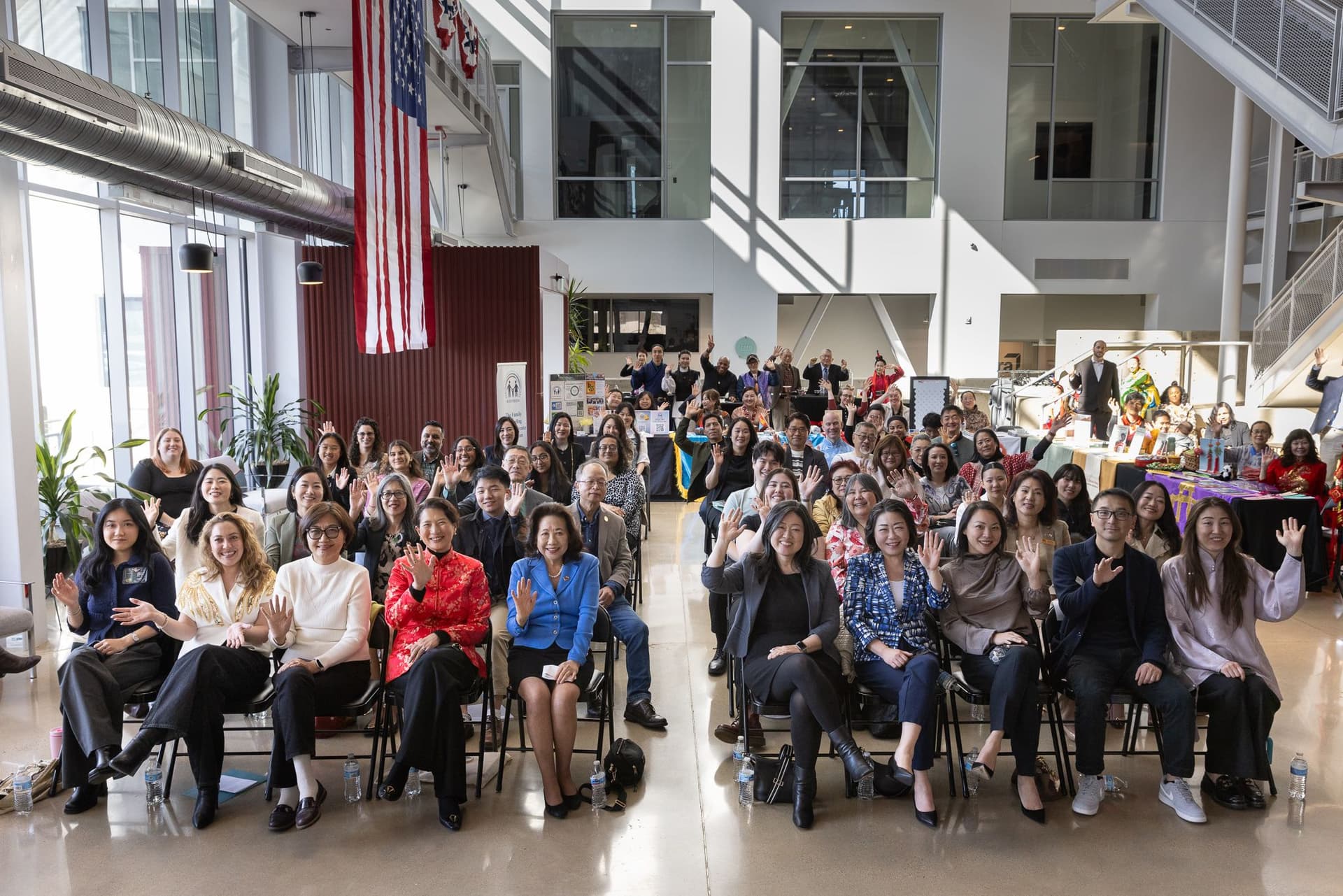
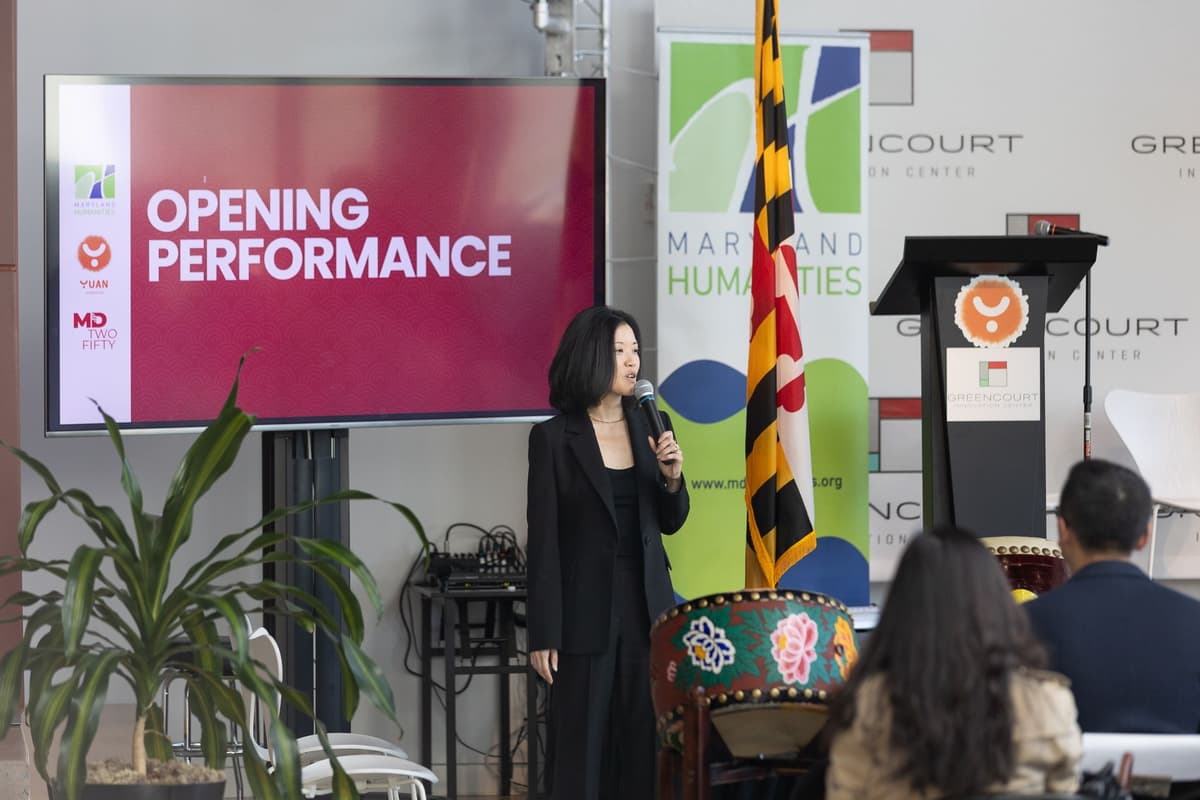
At the Greencourt Innovation Center, an otherwise ordinary weekend afternoon was transformed by the resounding cadence of drums by Stepping Stones from Korean Culture and Art of Maryland.
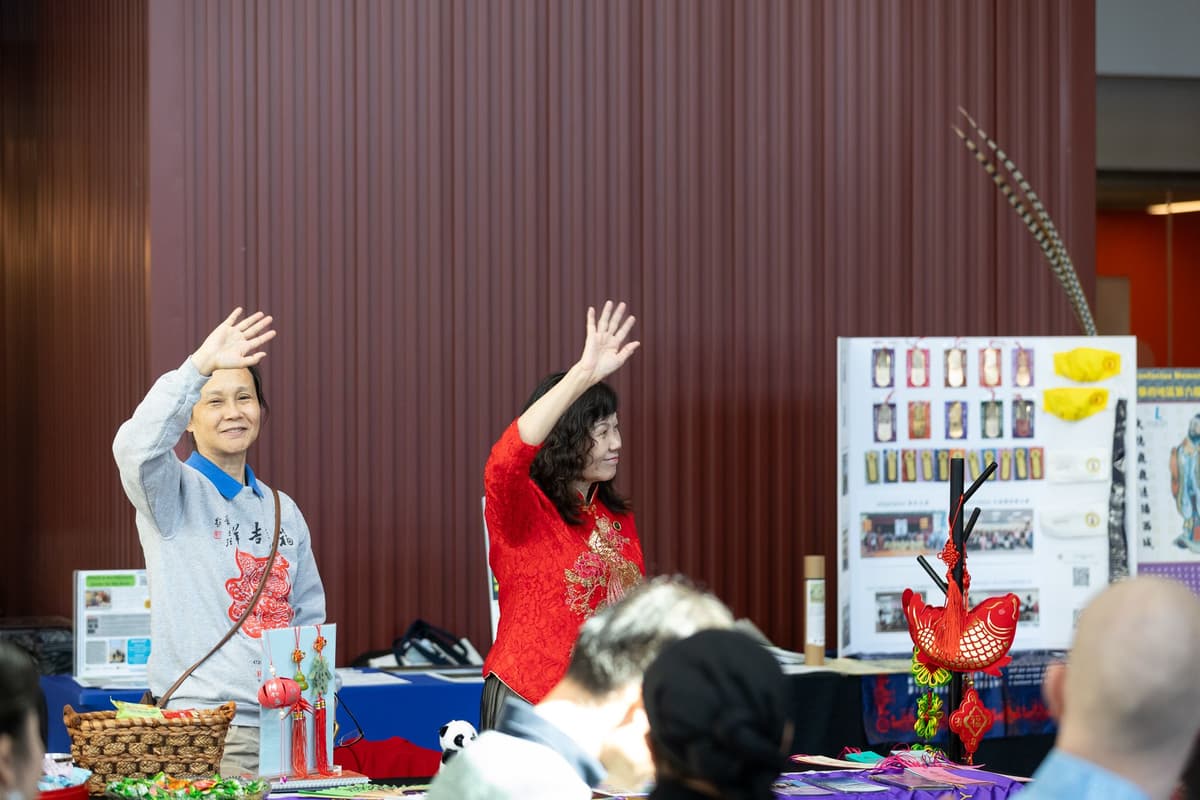
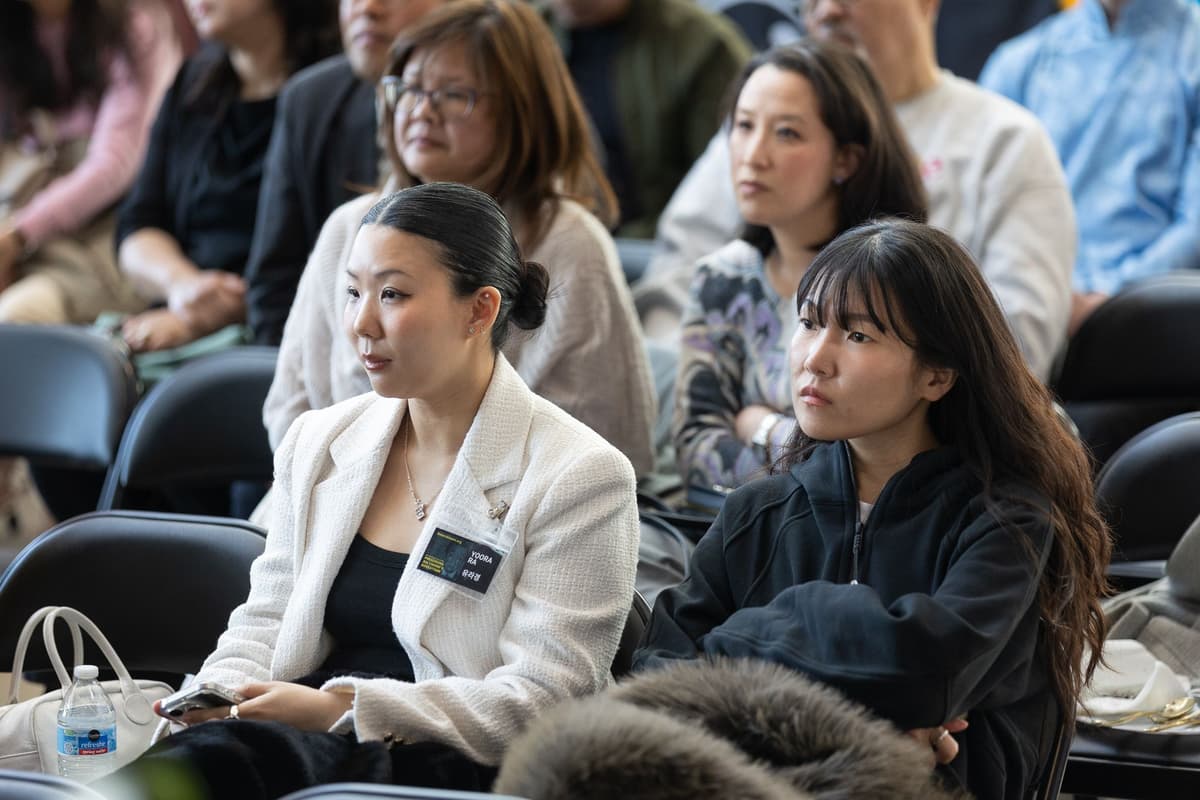
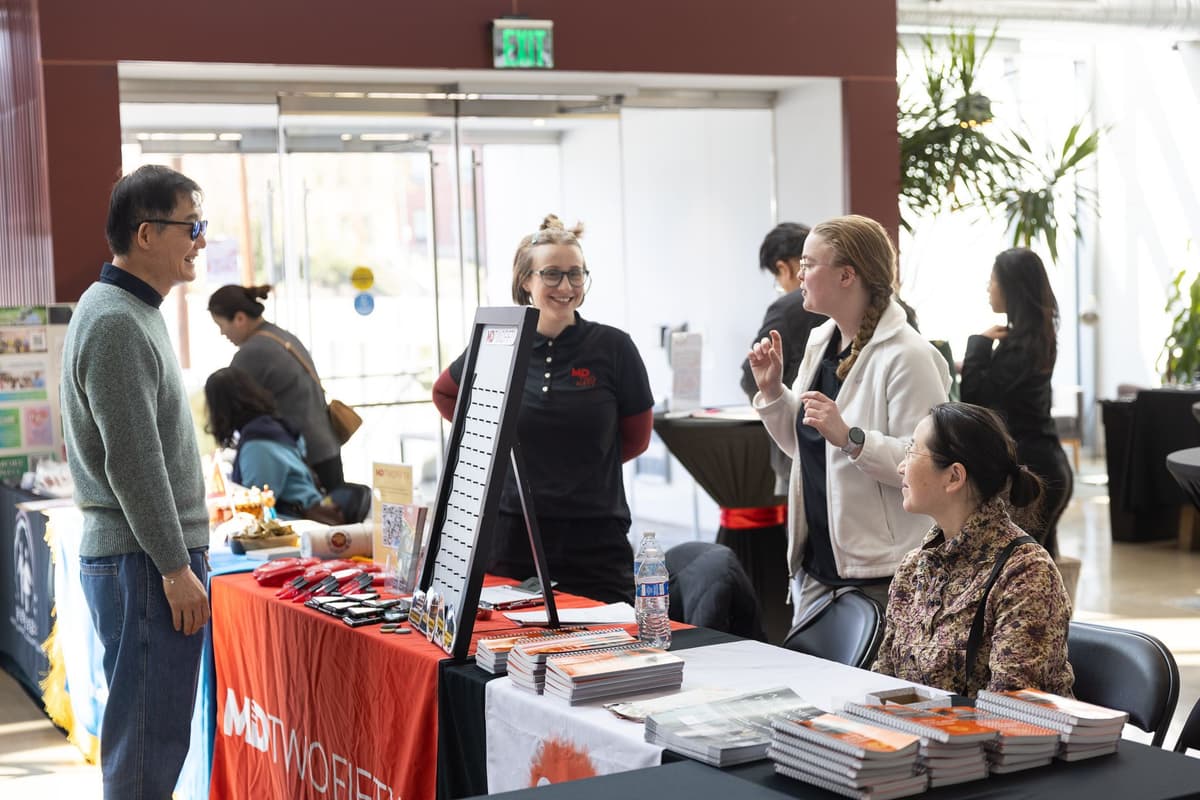
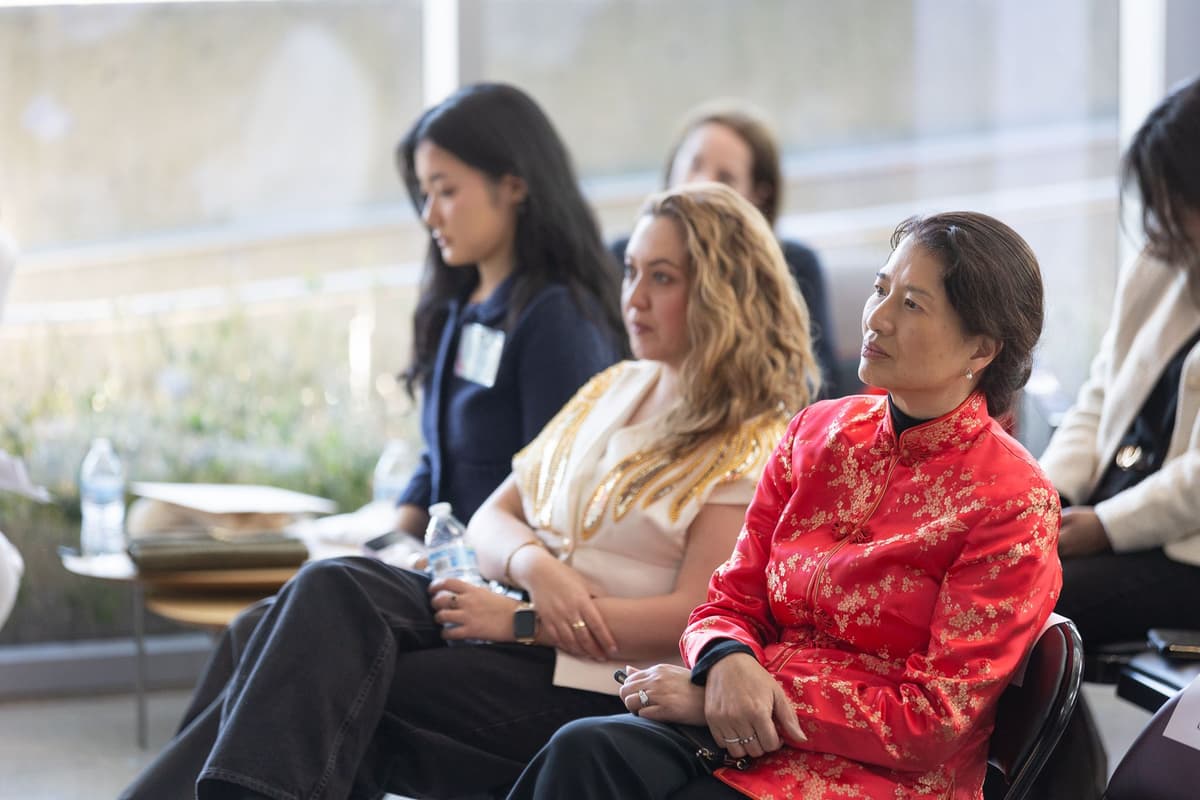
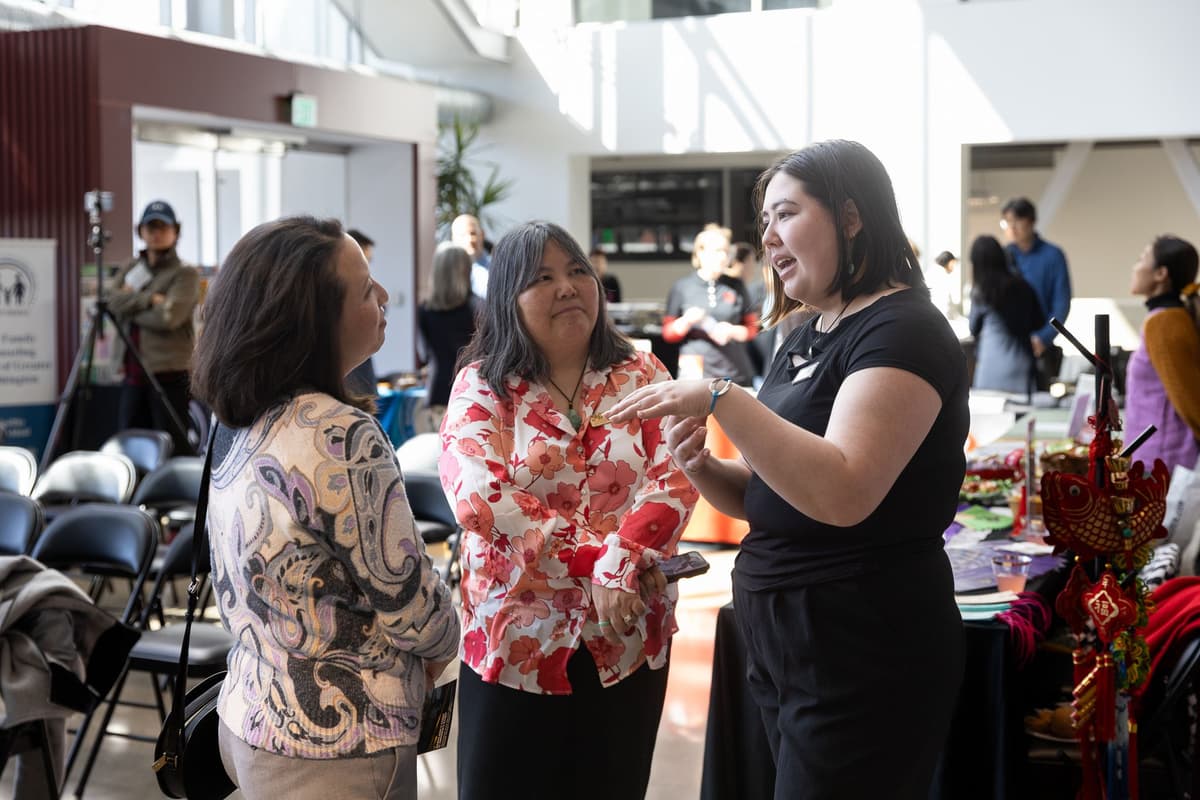
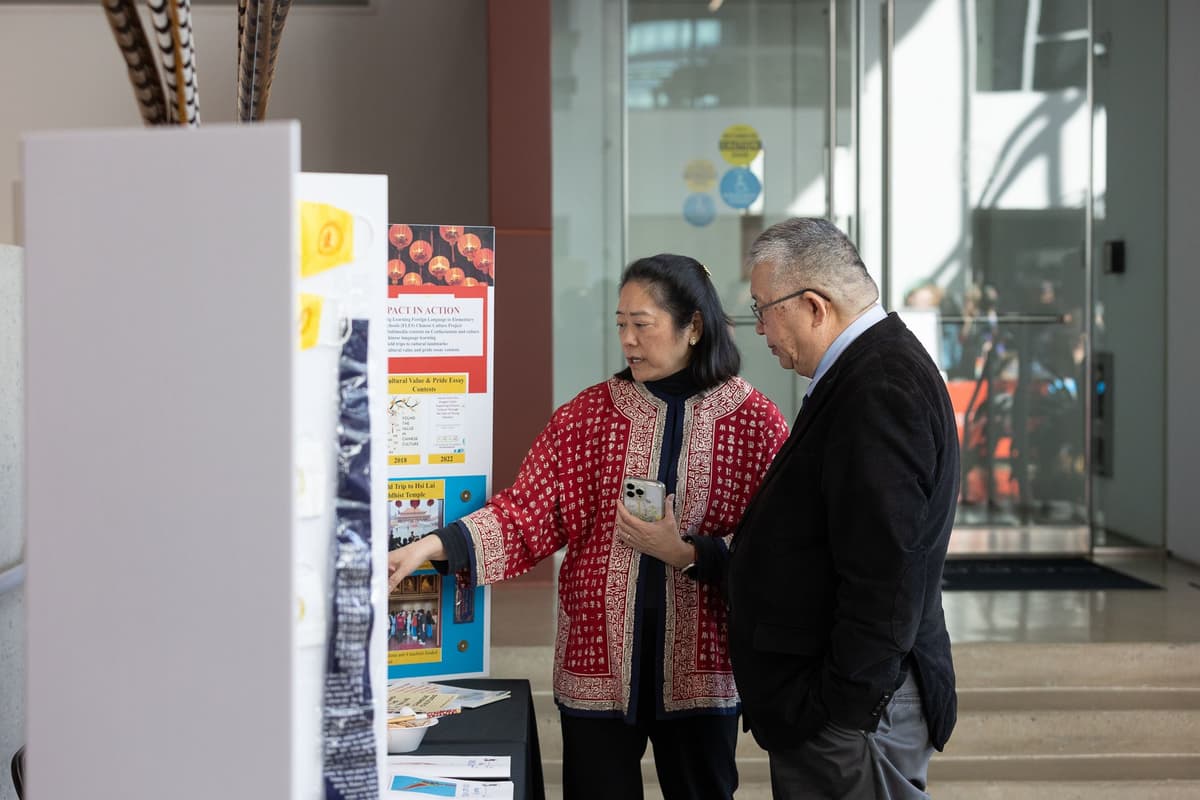
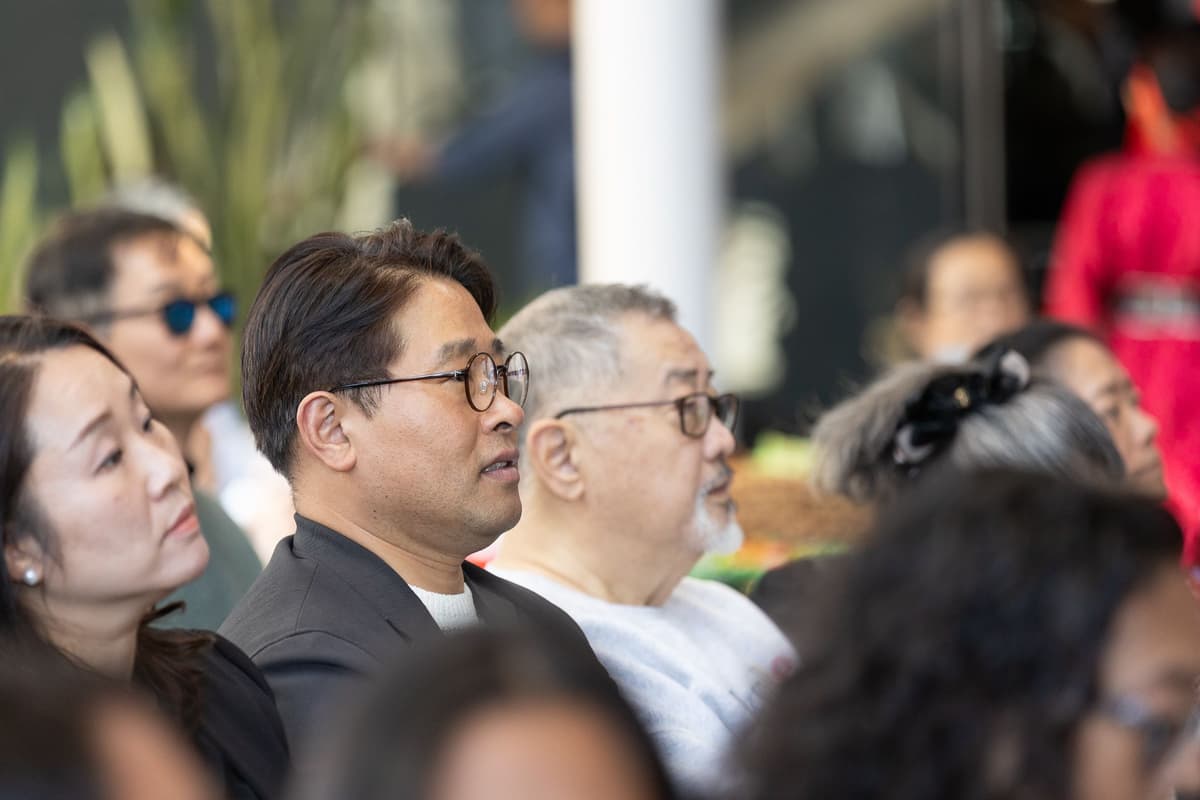
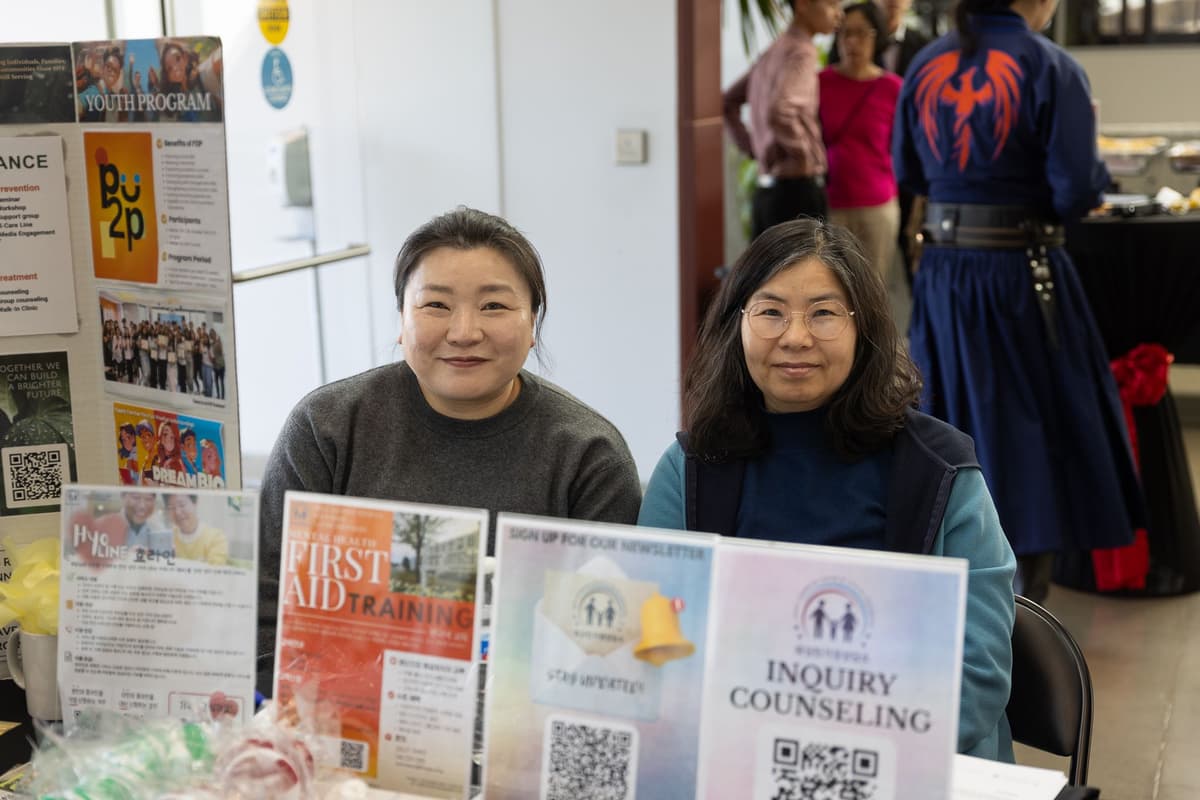
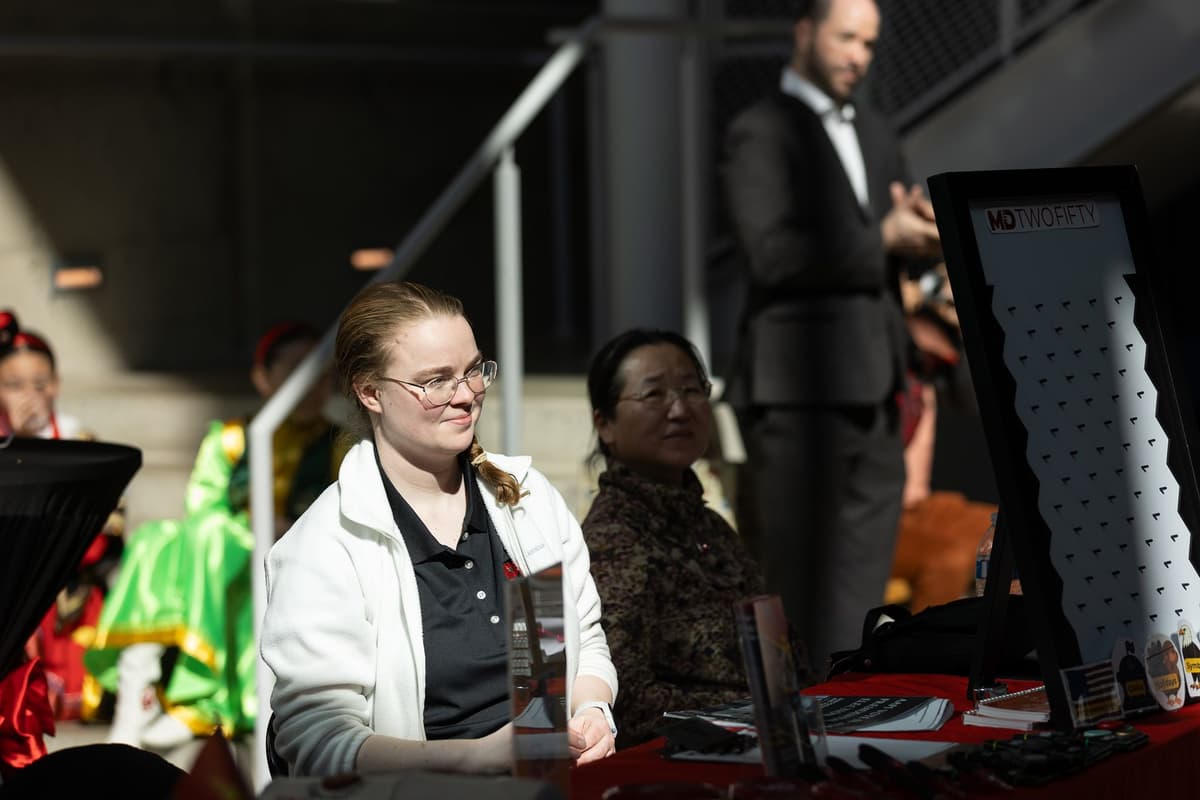
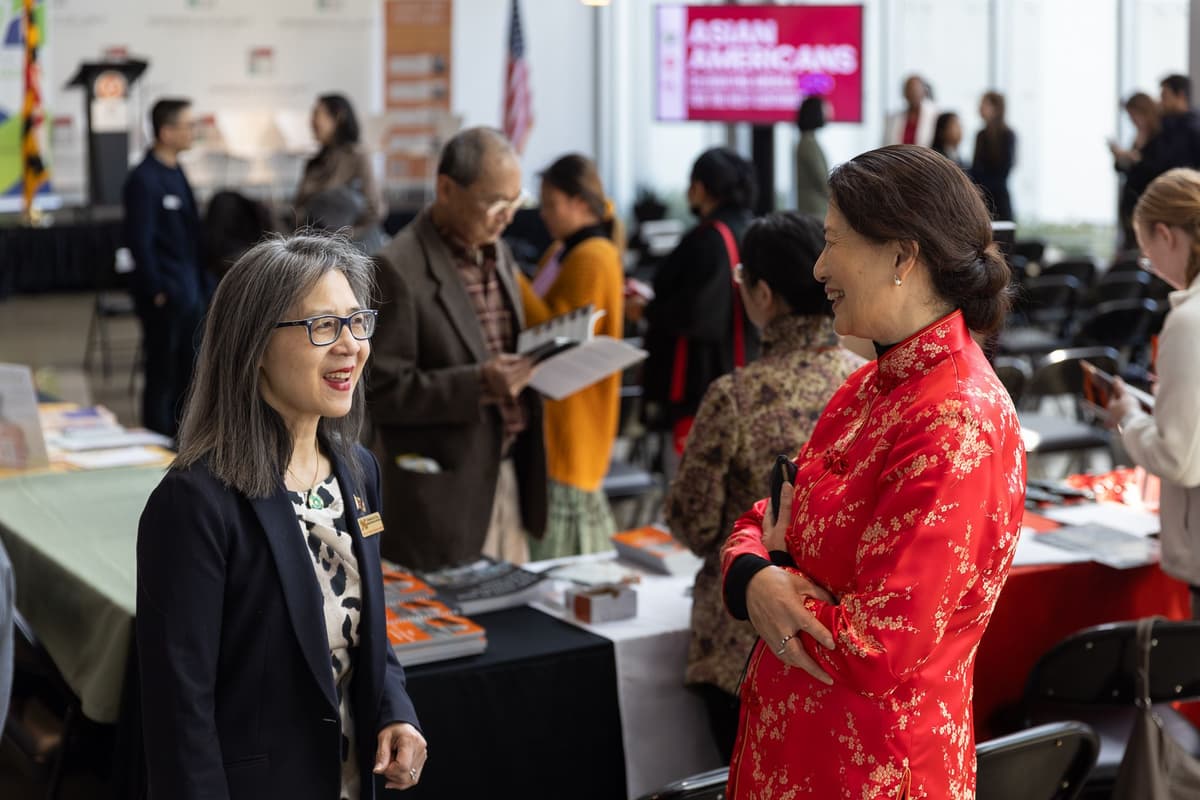
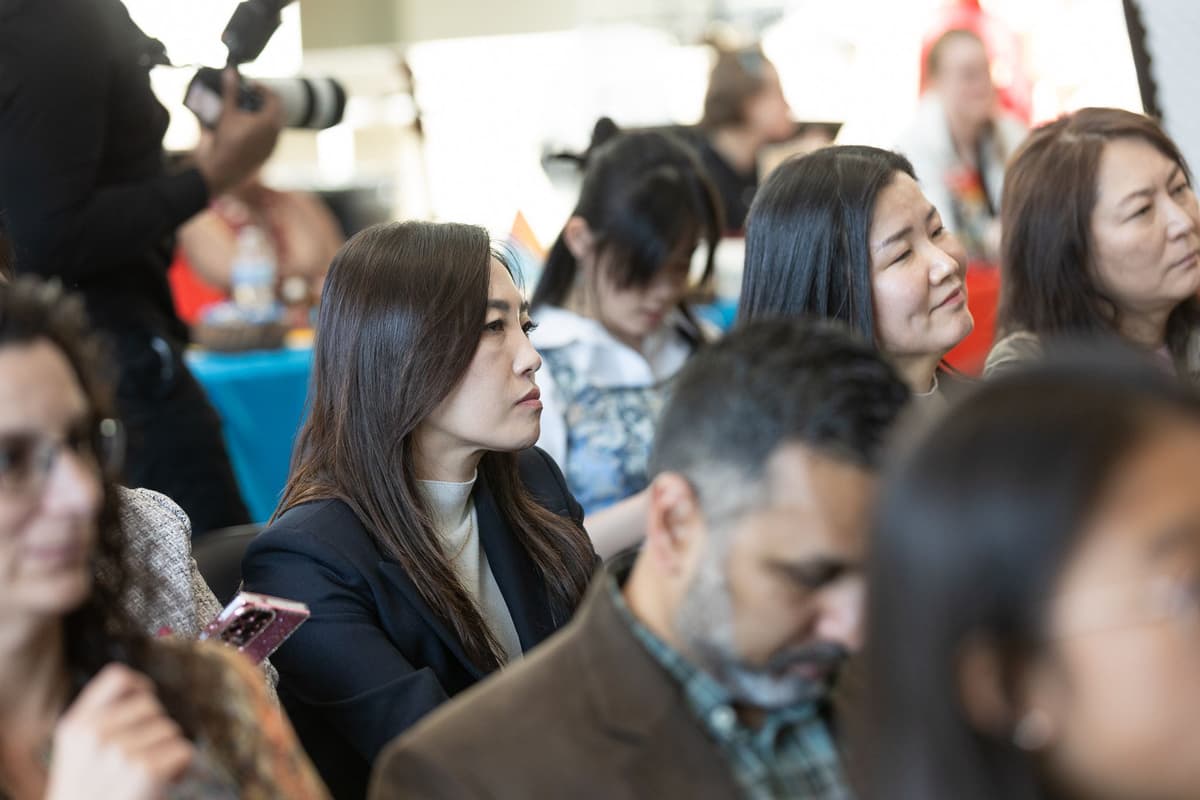
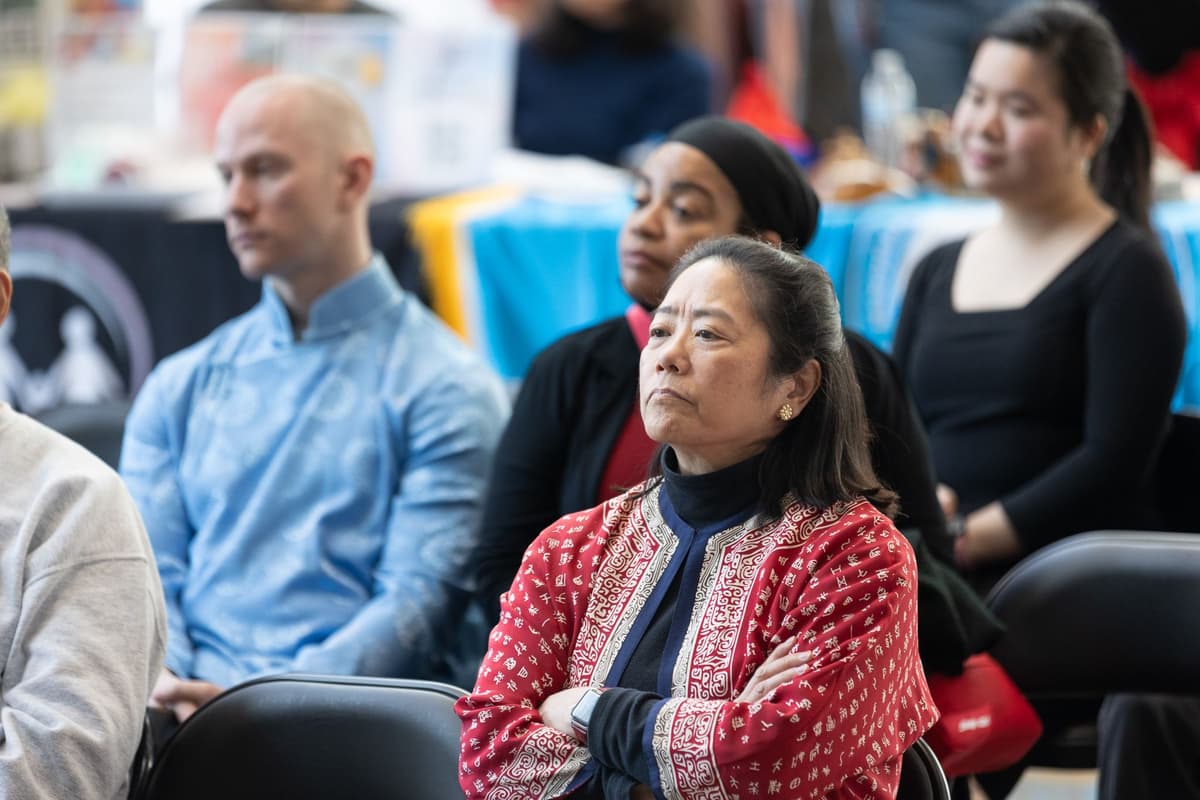
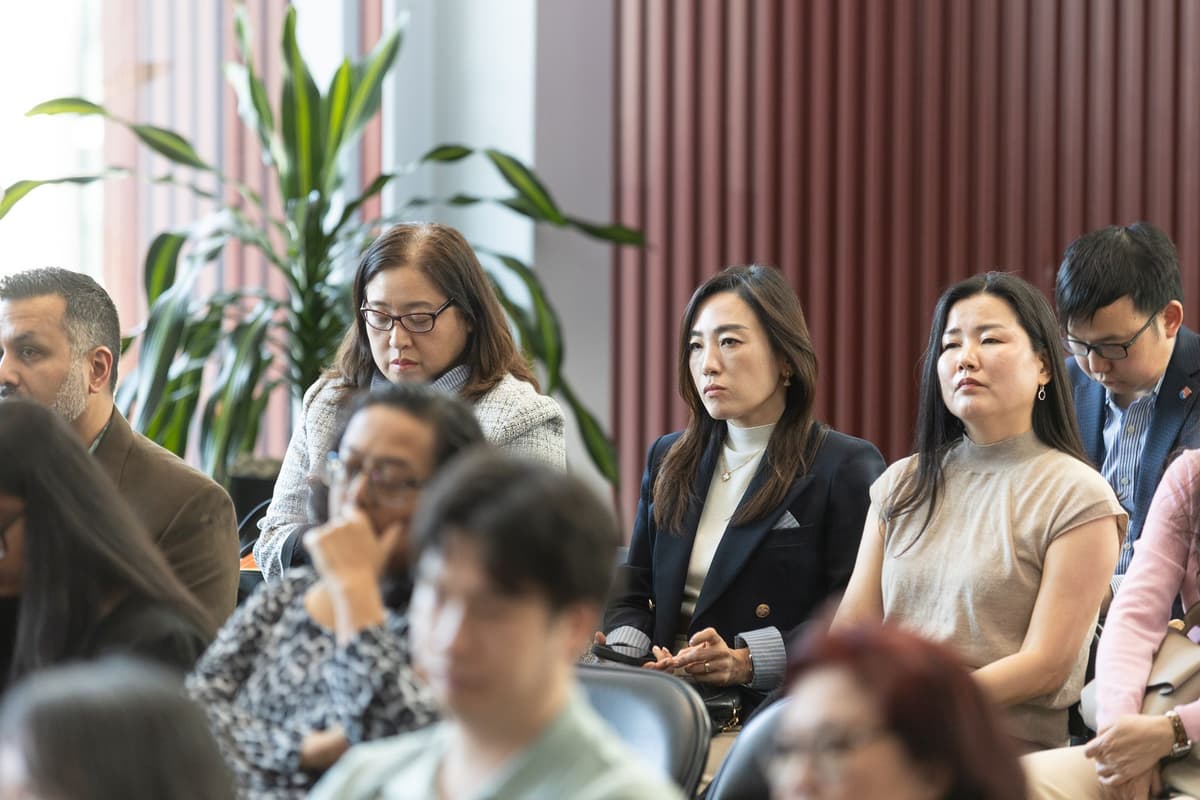
As a Korean percussion ensemble, dressed in traditional attire, broke the indoor stillness with deep, reverberating beats, hundreds of Asian American community representatives, elected officials, scholars, students, and civic leaders from across Maryland gathered for what would become a conversation destined for the historical record.
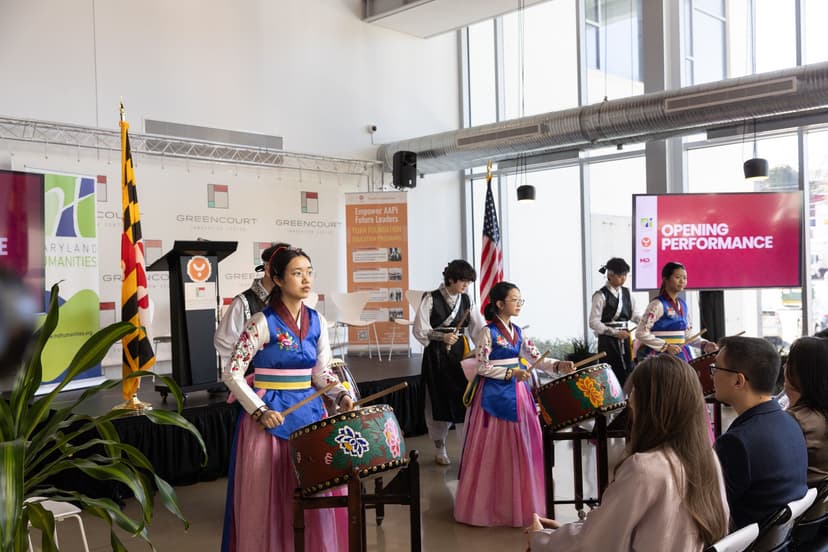
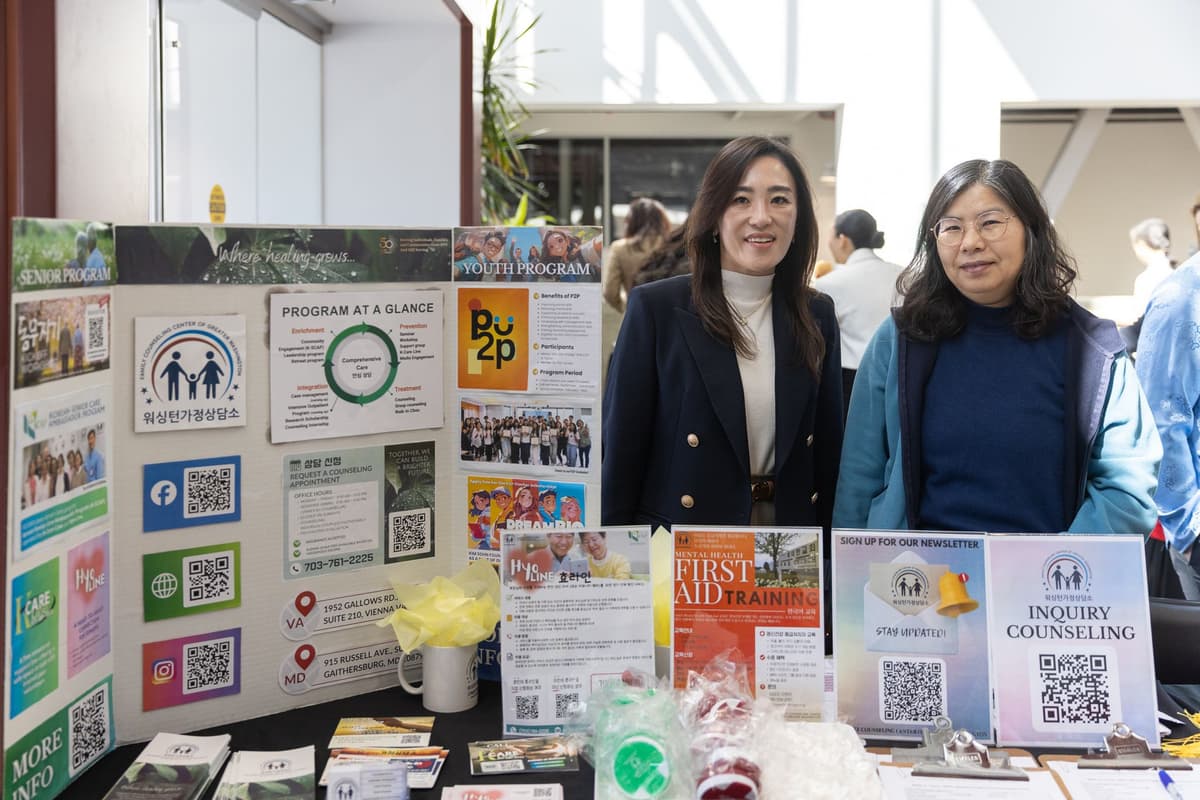
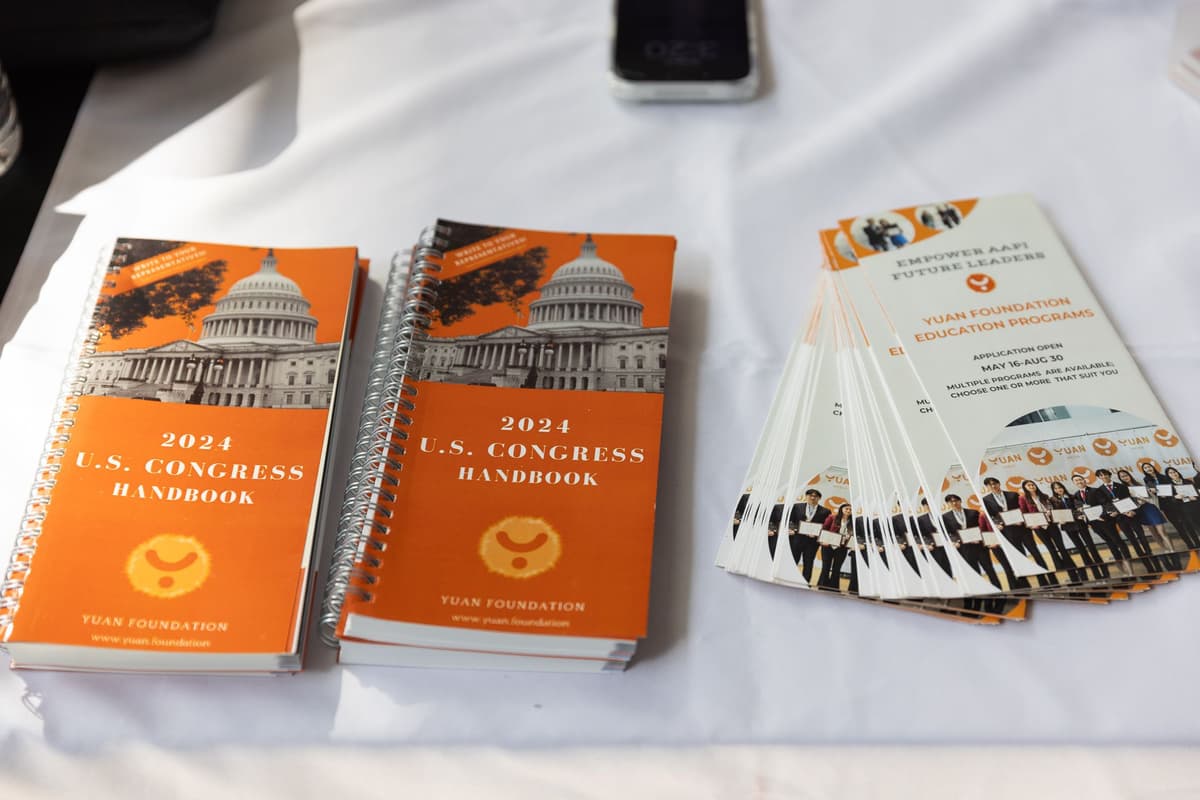
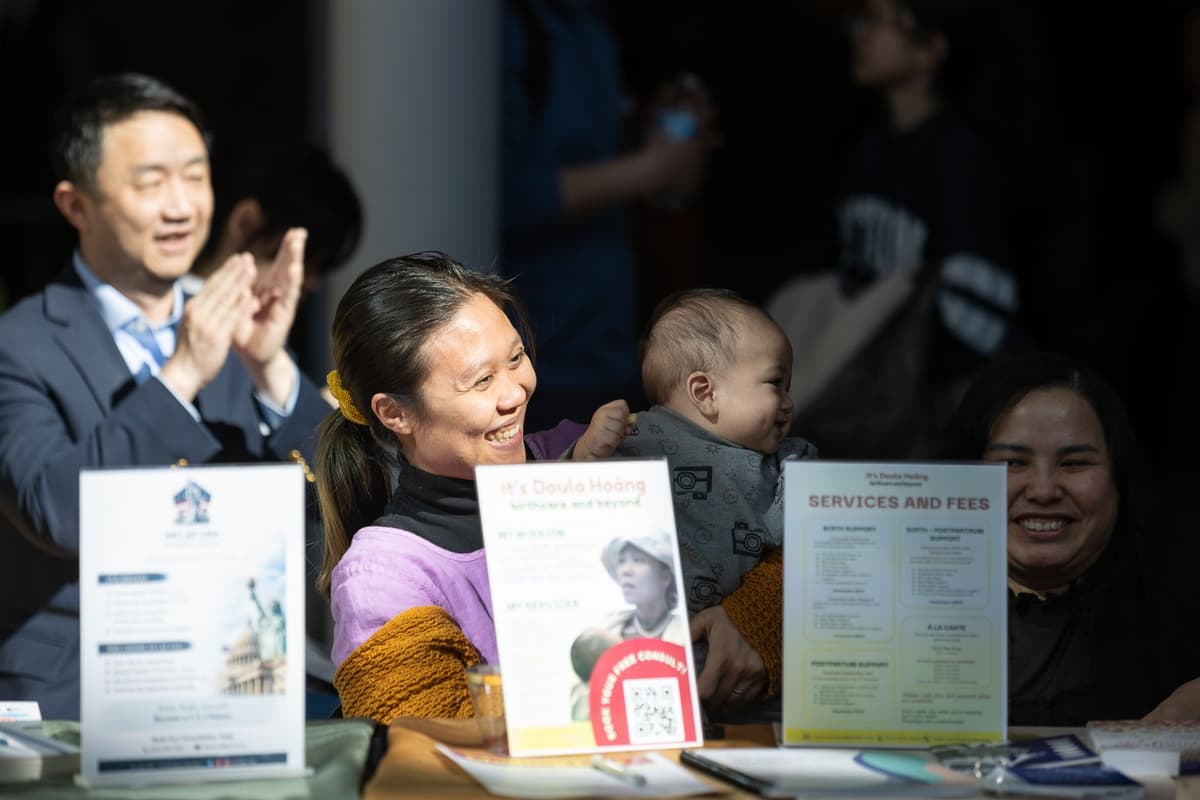
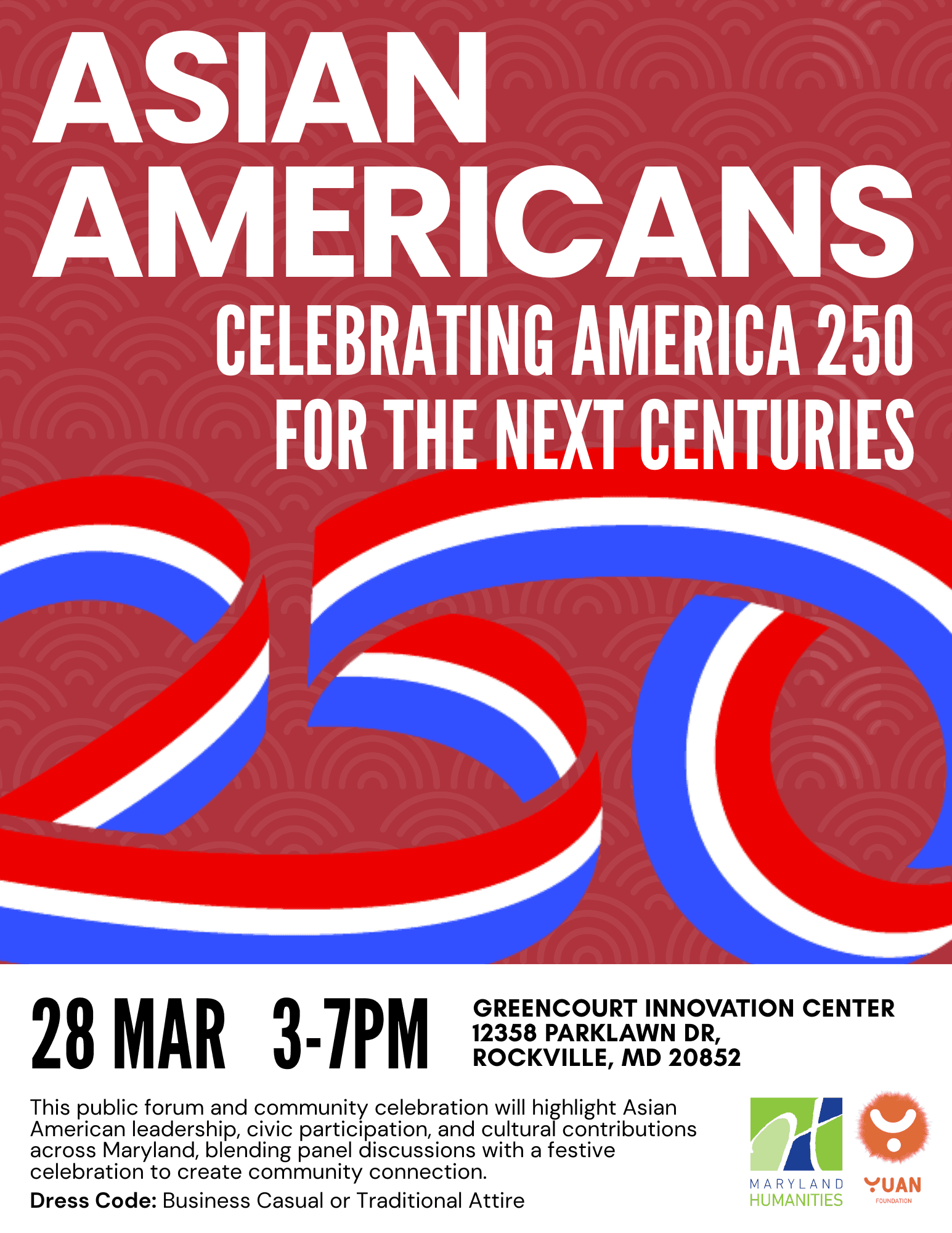
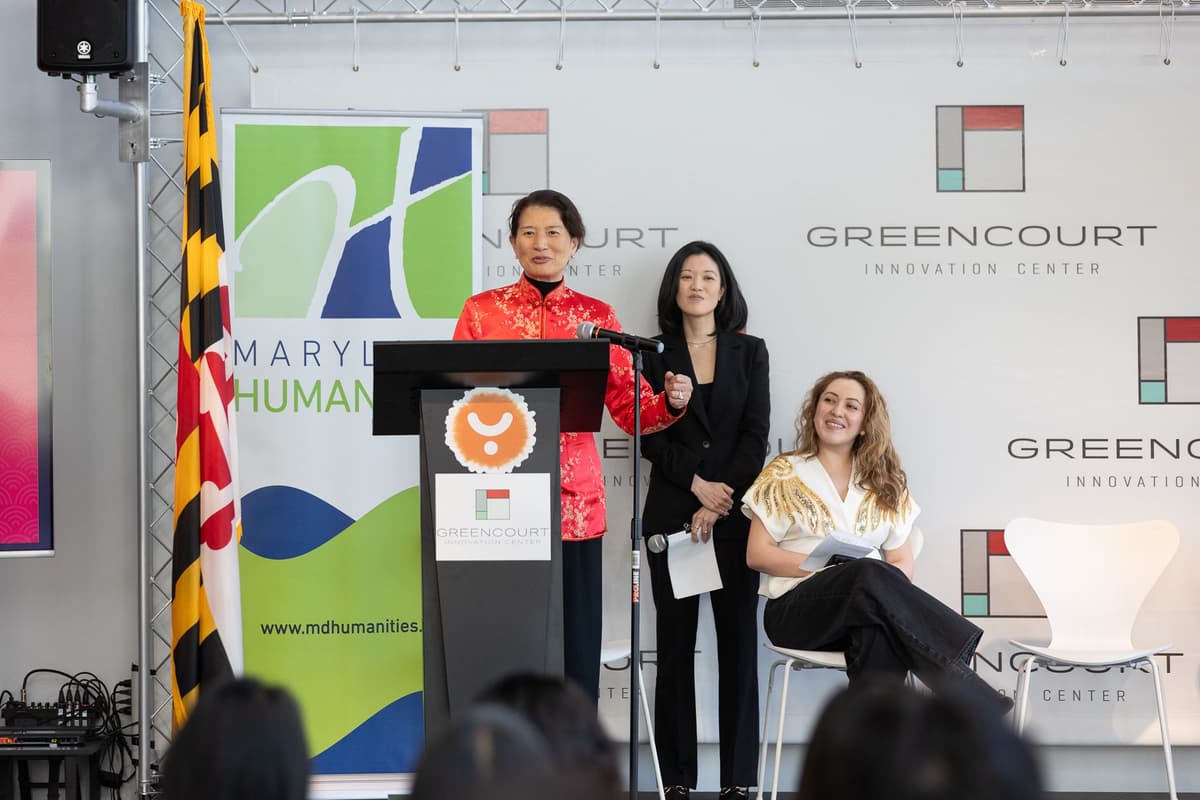
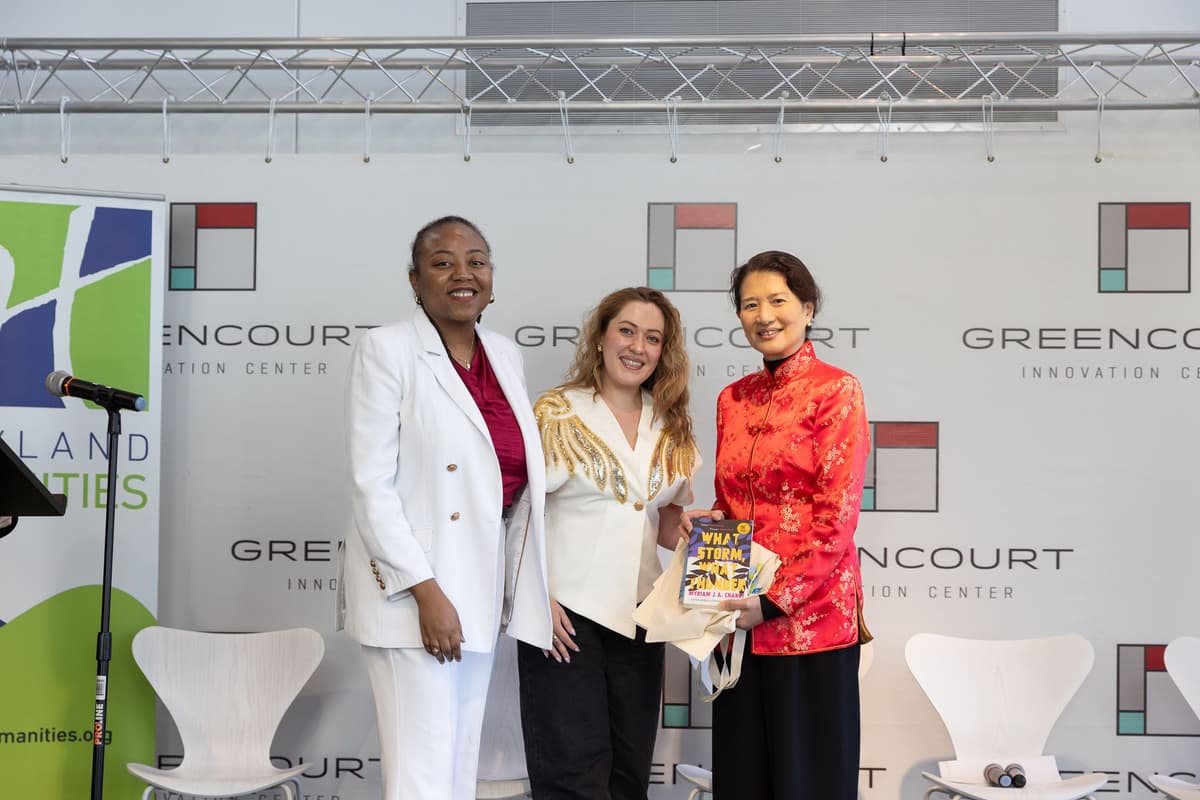
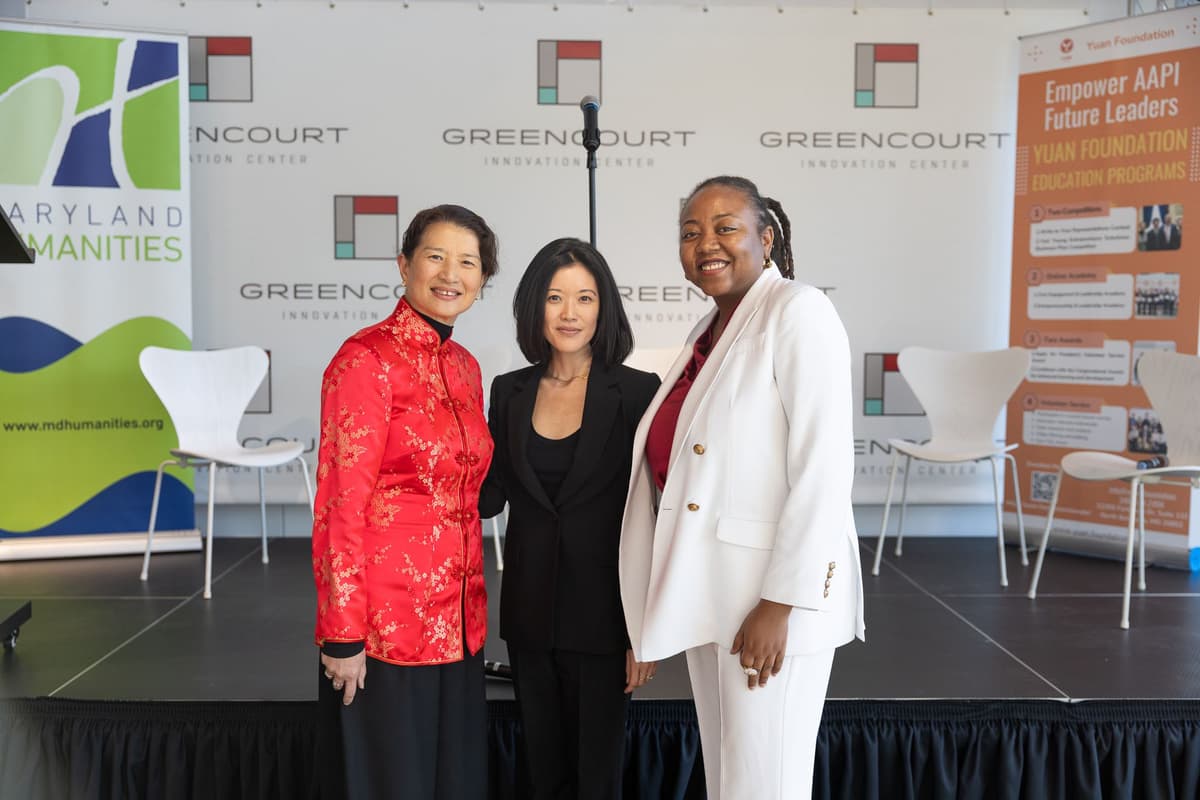
The event, titled “Asian Americans: Celebrating America’s 250th for the Next Century,” was jointly hosted by the Yuan Foundation and Maryland Humanities.
The moment was precisely two and a half centuries after the United States declared independence in 1776.
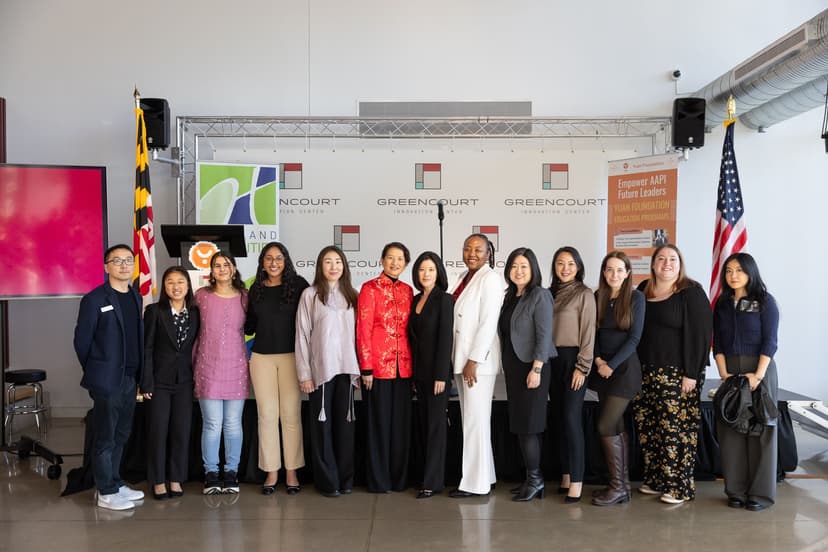
A History Long Obscured Returns to View
Any honest account of history must make room for voices once silenced.
The 250th anniversary of the United States offers a rare moment of collective introspection—a chance to reassess the national narrative. Amid commemorations unfolding at both federal and state levels, Maryland’s forum stood apart. It turned its gaze toward Asian Americans, the community with incredible potentials to further contribute to the country,posed a series of fundamental questions: Where have Asian Americans been? What have they accomplished and championed ? And how will they define their place in the next century?
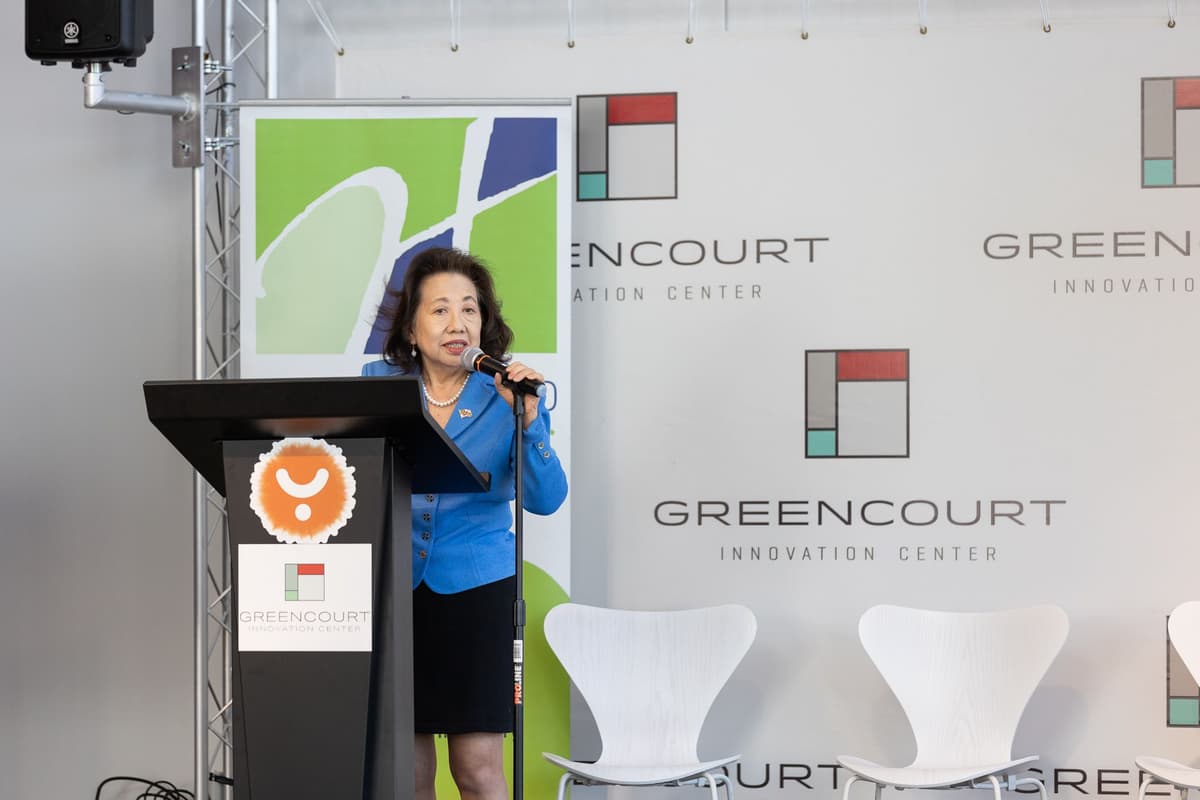
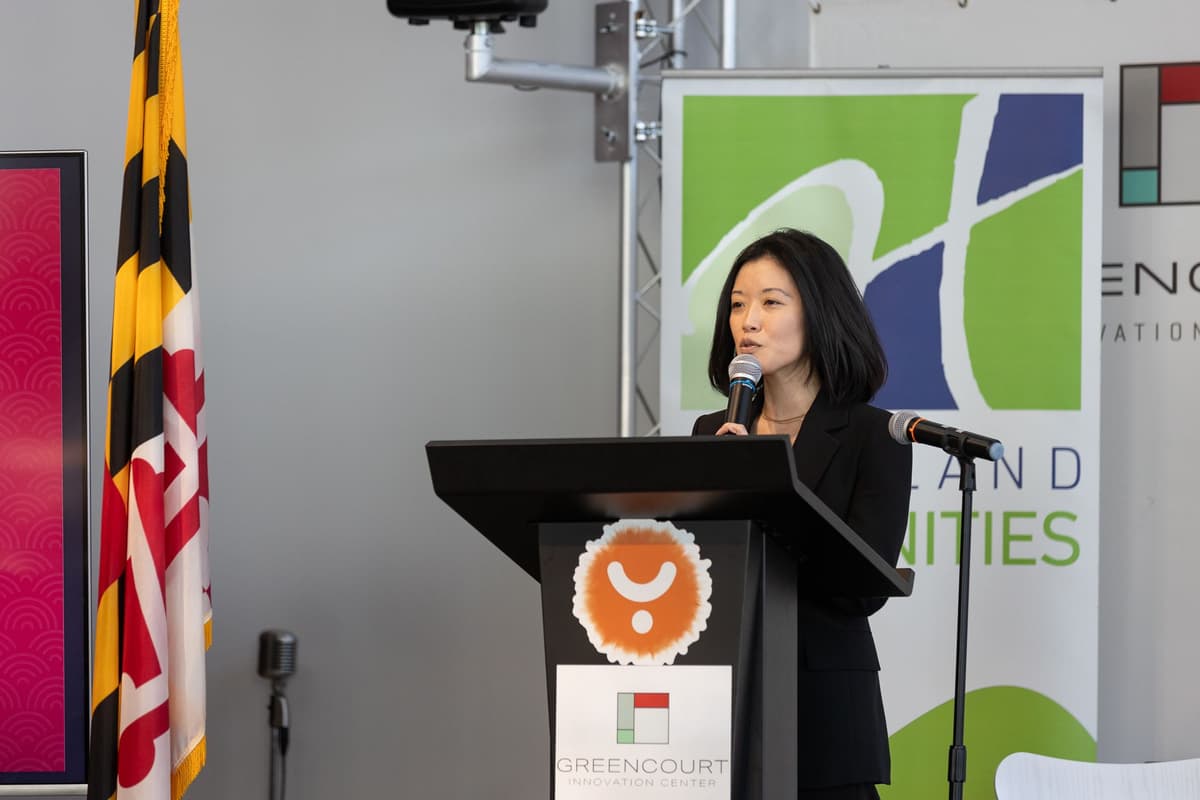
Maryland Secretary of State Susan Lee delivered a line that resonated throughout the forum:
“If we fail to tell the stories of Asian Americans, Pacific Islanders, people of color, and women, American history remains incomplete.”
Lee, the first Asian American ever elected to the Maryland State Senate, embodies the gradual breaking of ceilings in public life.
“We must be at the table where decisions are made—or we will be on the menu.”
The line quickly became the most widely circulated quote of the day, encapsulating the forum’s core message.
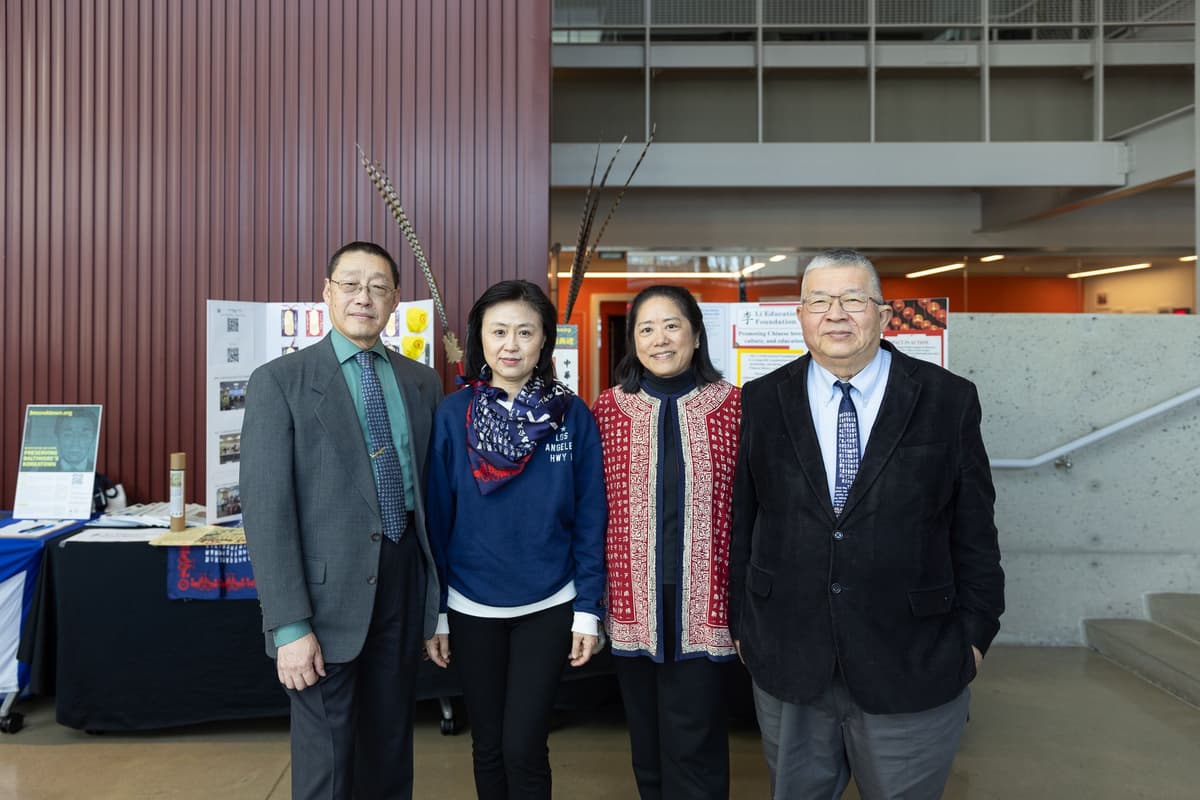
A Dual Engine: A Model of Institutional Collaboration
This four-hour forum was far more than a routine community gathering—it was the product of deliberate institutional design.
Organizationally, it represented a calibrated fusion of grassroots and official structures. Maryland Humanities and the Yuan Foundation contributed deep ties to the Asian American community, along with resources from business, cultural, and civic sectors. In turn, they provided scholarly authority and statewide reach, formally integrating Asian American narratives into Maryland’s official 250th-anniversary commemorations.
A key figure in this collaboration was Soo Koo, Chair-Elect of Maryland Humanities. As the only Asian American member of its board and a former appointee of Governor Larry Hogan, she also brings experience in governance and public engagement.
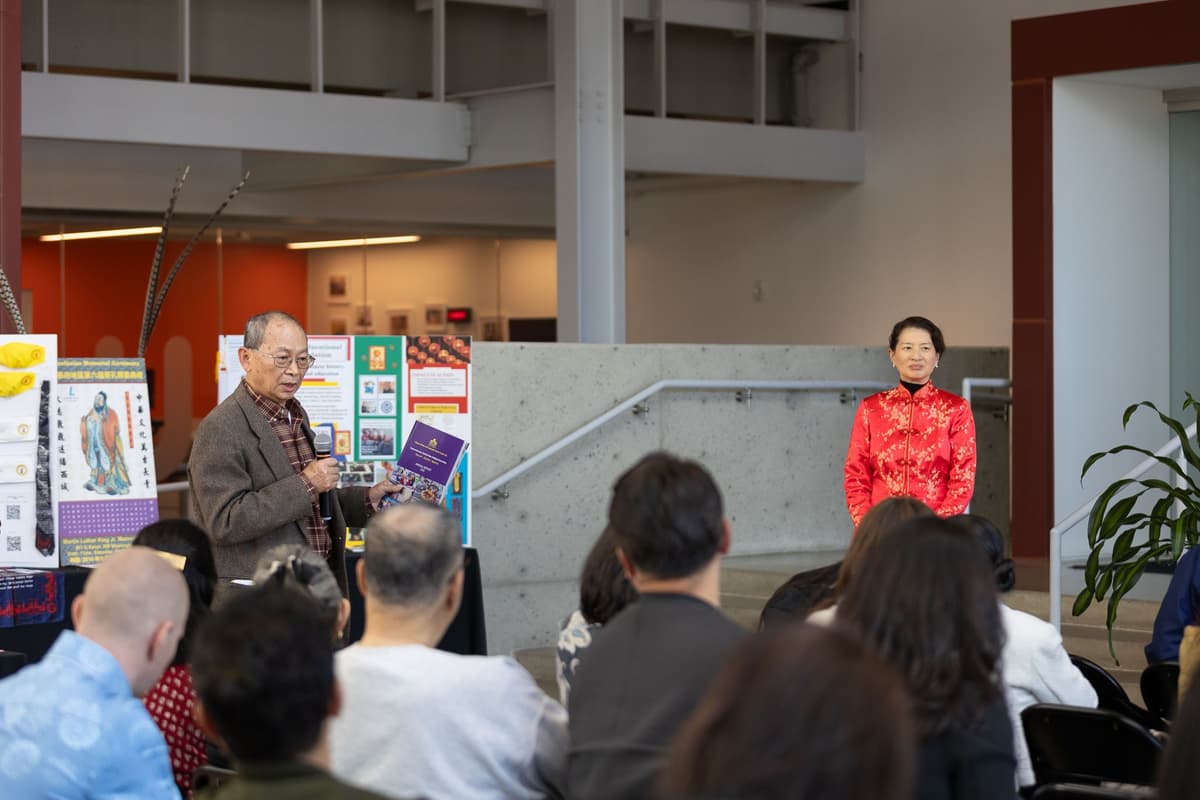
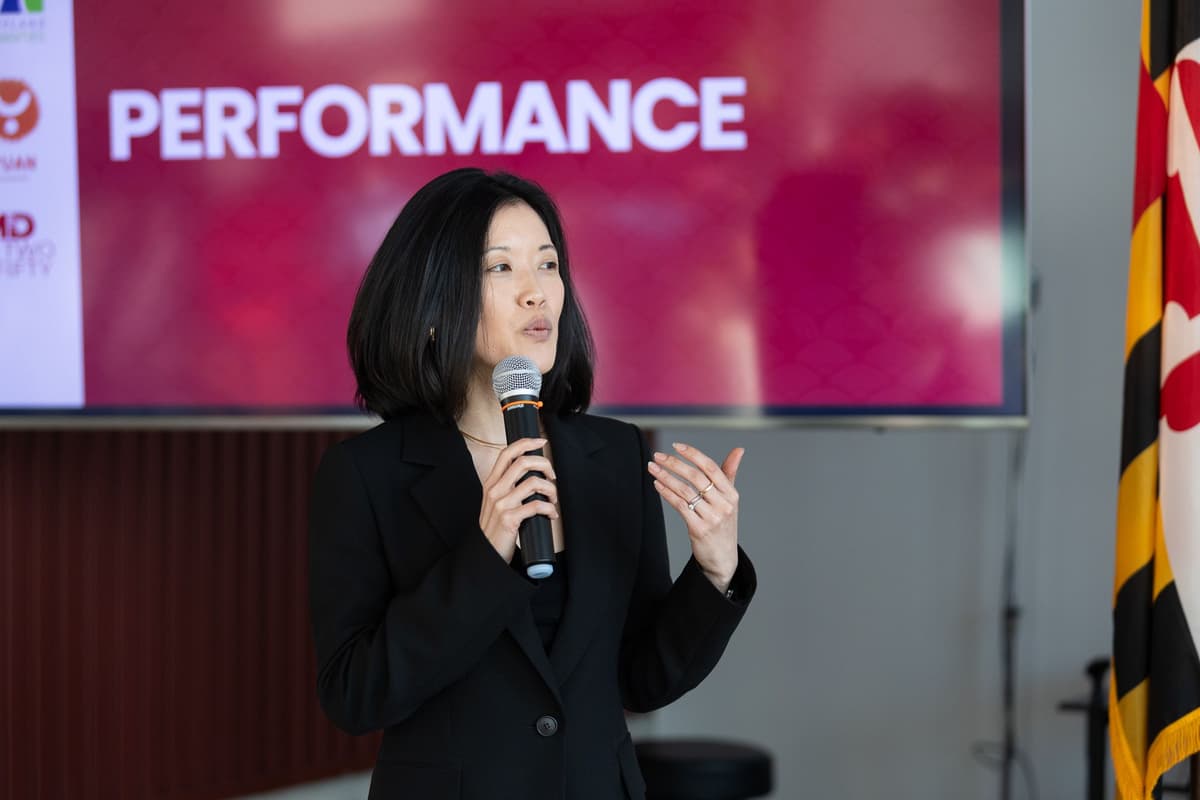
Serving as moderator, she guided the forum with precision and depth—both architect of its themes and catalyst of its ideas—melding voices from politics, business, and academia into a coherent civic symphony.
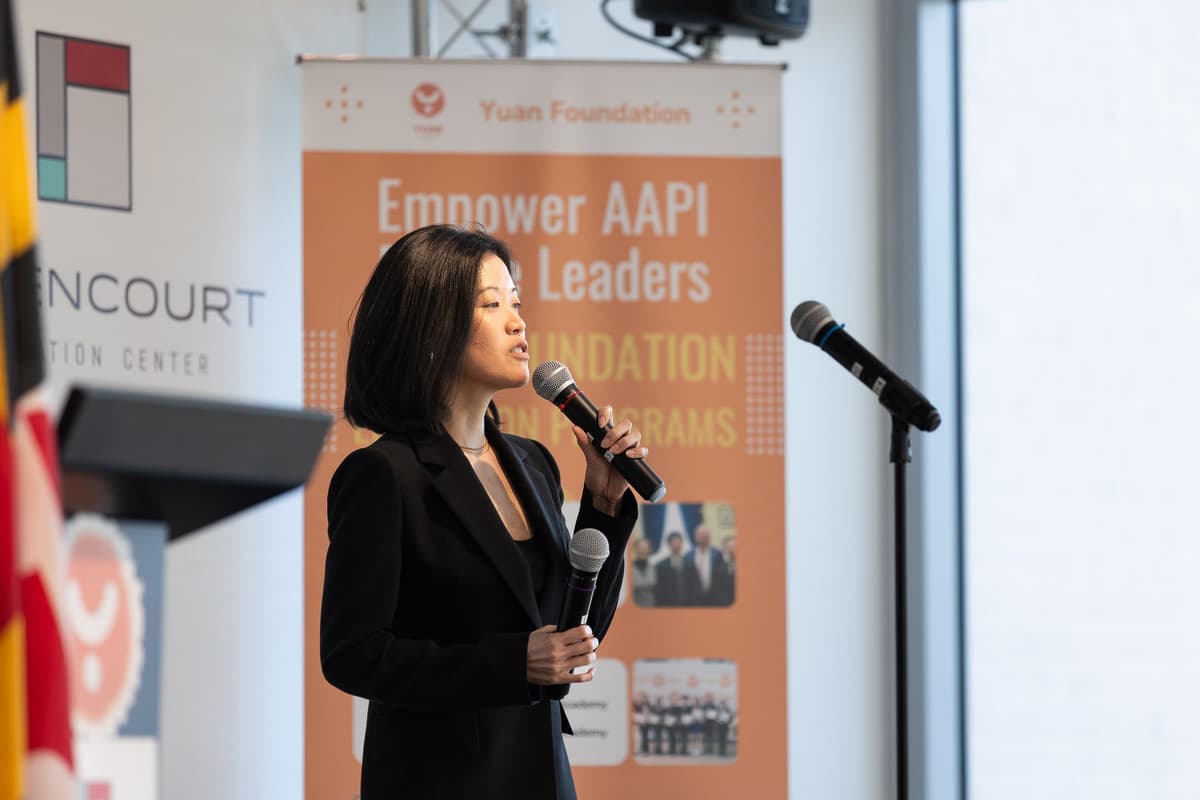
Stephany Yu, chair of the Yuan Foundation, was the driving force behind the event.
“The growth of the Asian American community cannot rely solely on spontaneous momentum,” she said. “It requires institutional support and high-level platforms for dialogue.”
At this historical juncture, she emphasized, Asian voices must no longer fade into the background of grand narratives—they must help shape the future.
Representing Maryland’s 250 Commission, Marylana Osunally conveyed their vision.
“Asian American history is Maryland history, and Maryland history is American history.”
The statement signaled the state government’s formal recognition of Asian American contributions within its commemorative framework.
Three Roundtables: A Portrait of a Community
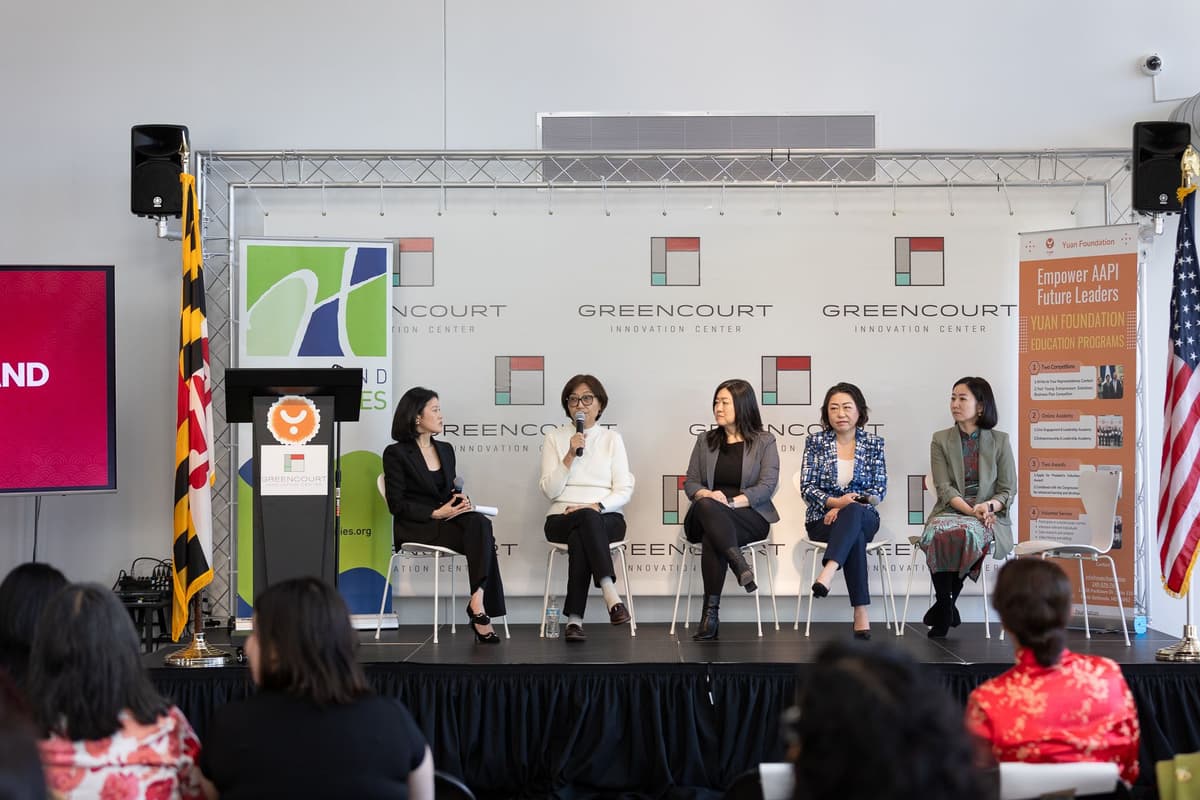
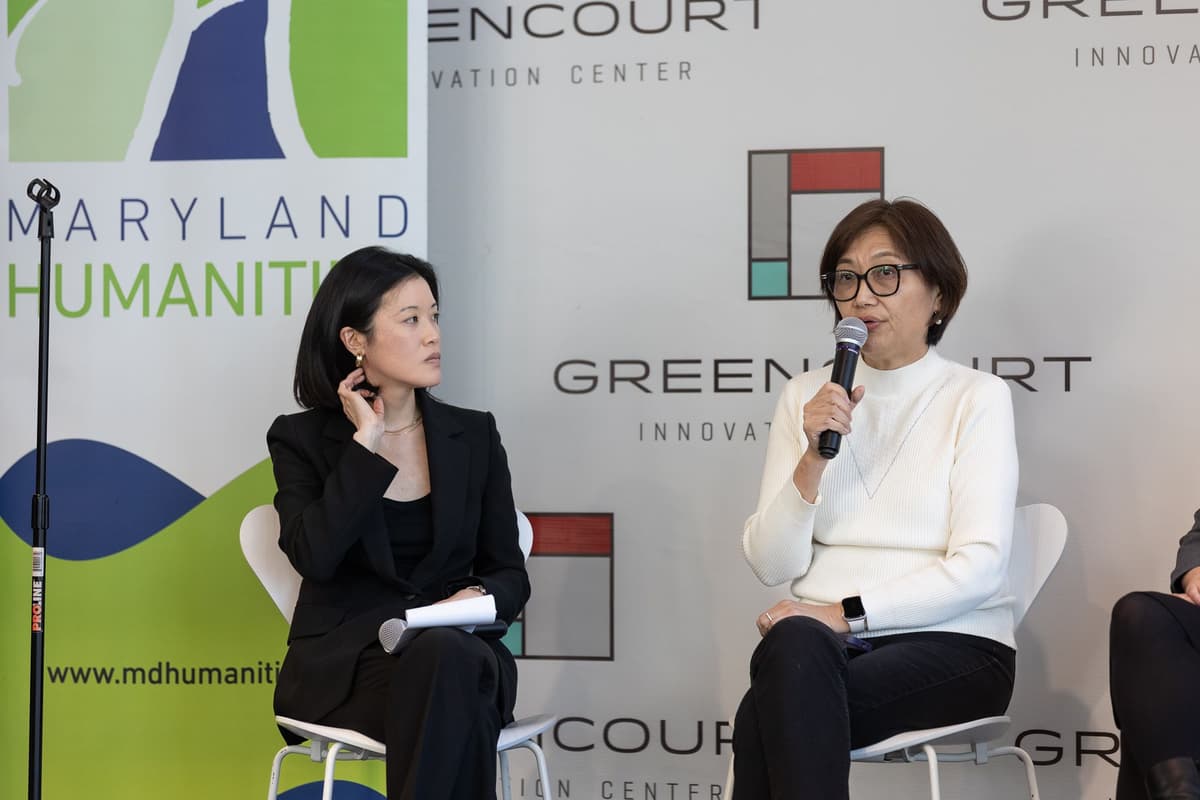
The forum’s core consisted of three in-depth panel discussions, each illuminating a different dimension of the Asian American experience in Maryland.
Public Service and Civic Participation
Led by State Delegate Lily Qi, the first panel explored the transition from community participation to legislative influence.
“Successful Asian American leadership means having a voice in legislation and budgeting—not simply appearing as invited guests.”
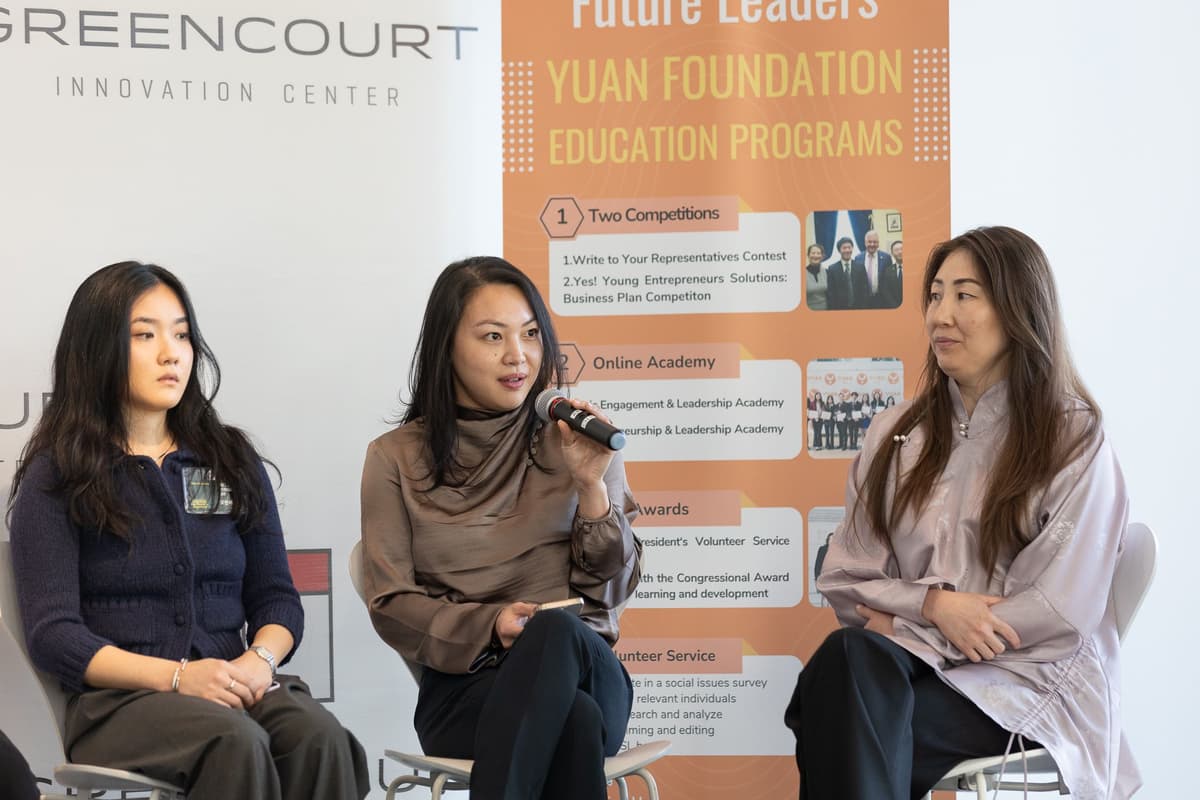
Panelists included Jessie Su, a development professional who discussed how to advance civic engagement by leveraging fundraising tools and philanthropic causes; Jean Xu, who shared her vision to educate and empower parents and students to make their voice heard; and Minah Woo of Howard Community College, who emphasized higher education’s role in cultivating future leaders.
Business, Art, and Culture
The second panel examined how identity can be translated into economic and cultural capital.
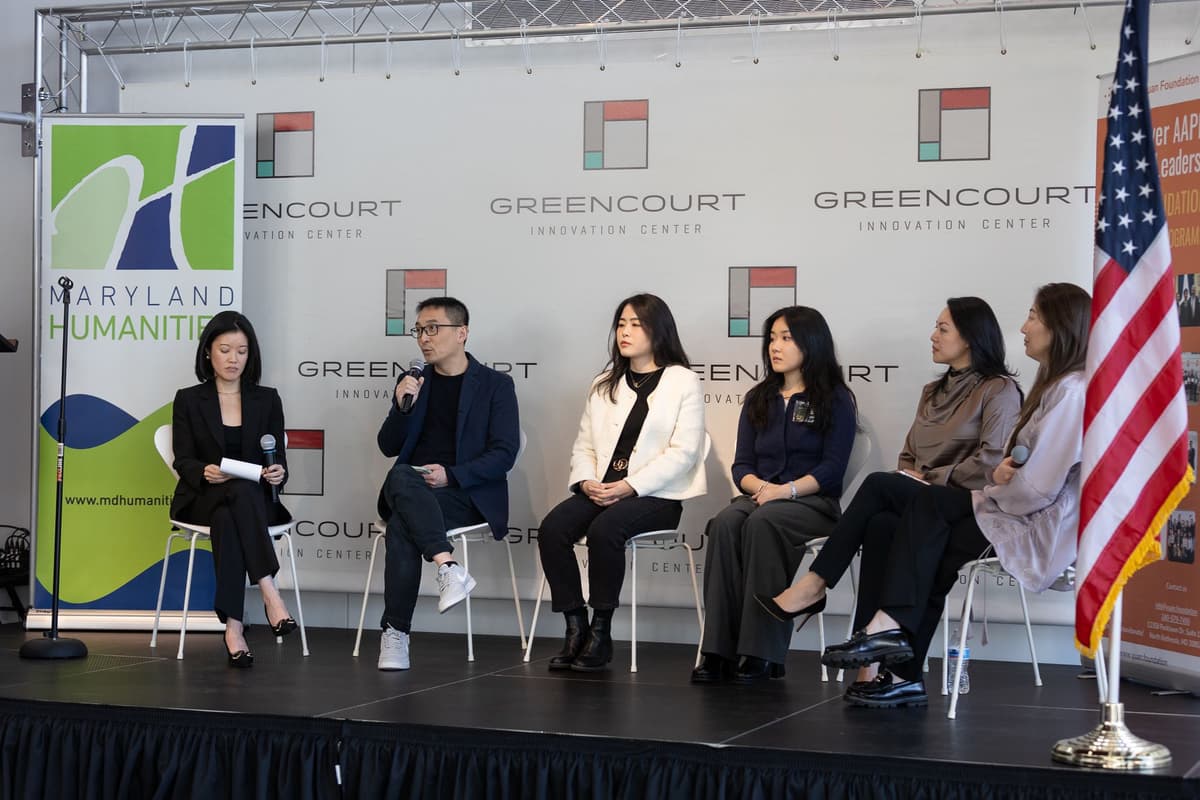
Hao Chen of Capital Bank discussed financial empowerment for small businesses; Entrepreneur Jennie Kwon, Founder of Blowfish Poke & Grill described turning cultural authenticity into competitive advantage; graduate student Melissa Minseo Oh explored leveraging K-culture, decades-long community history, and contemporary art to revitalize Baltimore’s Koreatown; and Urga Azat, founder of the New Neighbor Initiative, shared efforts to promote Mongolian culture among high level decision makers in the DMV area.
At its core, the panel reframed culture—from something to preserve into something that generates future value.
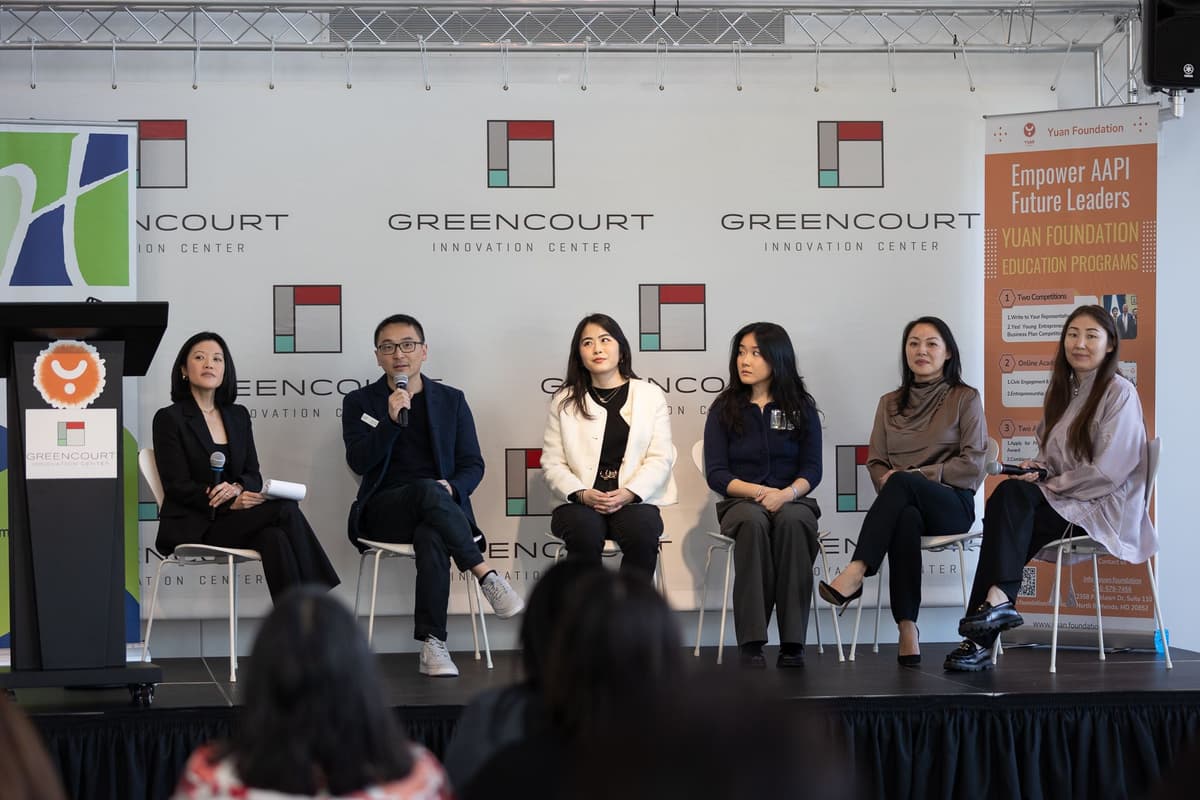
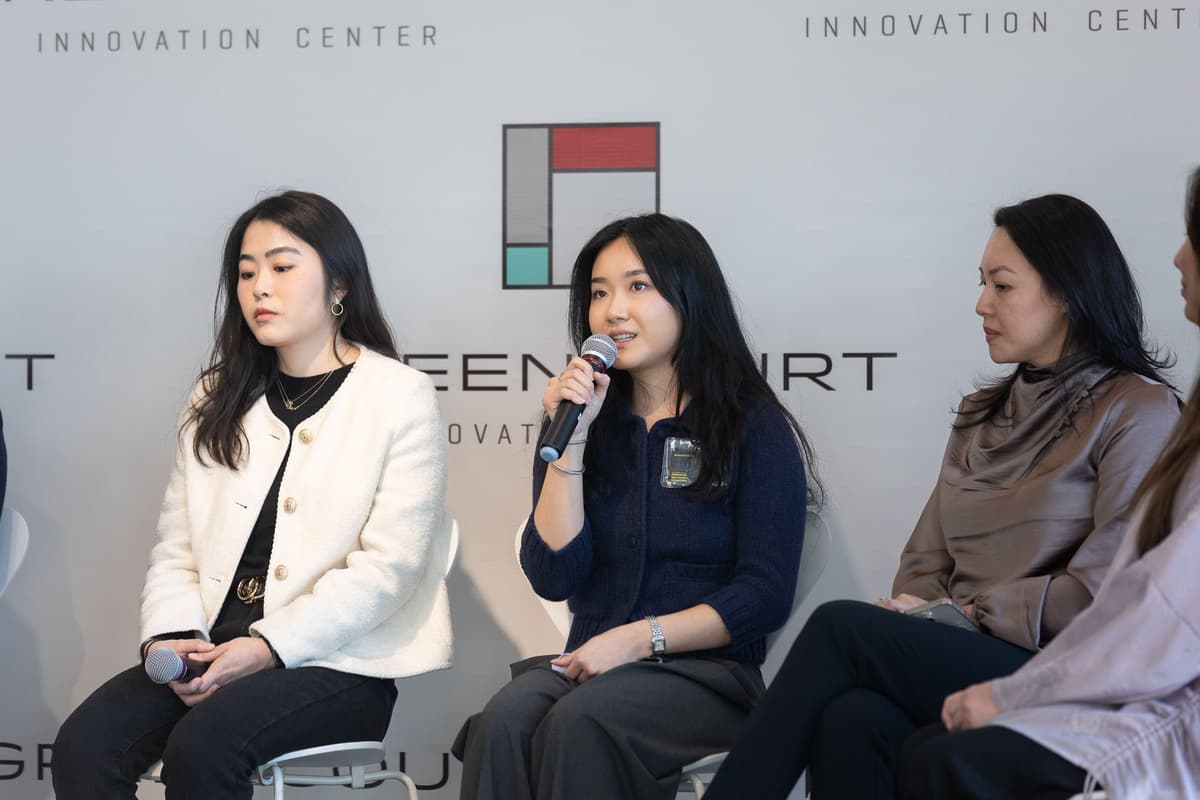
The Next Generation in Civic Action
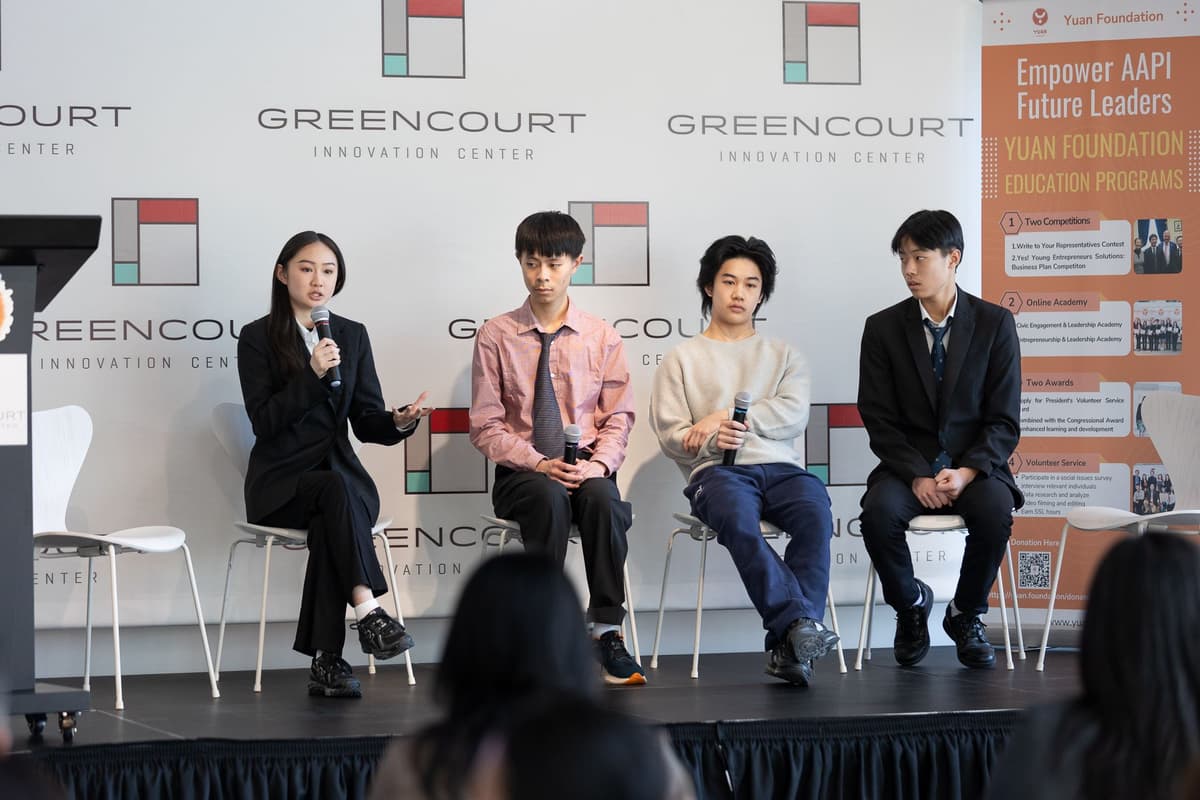
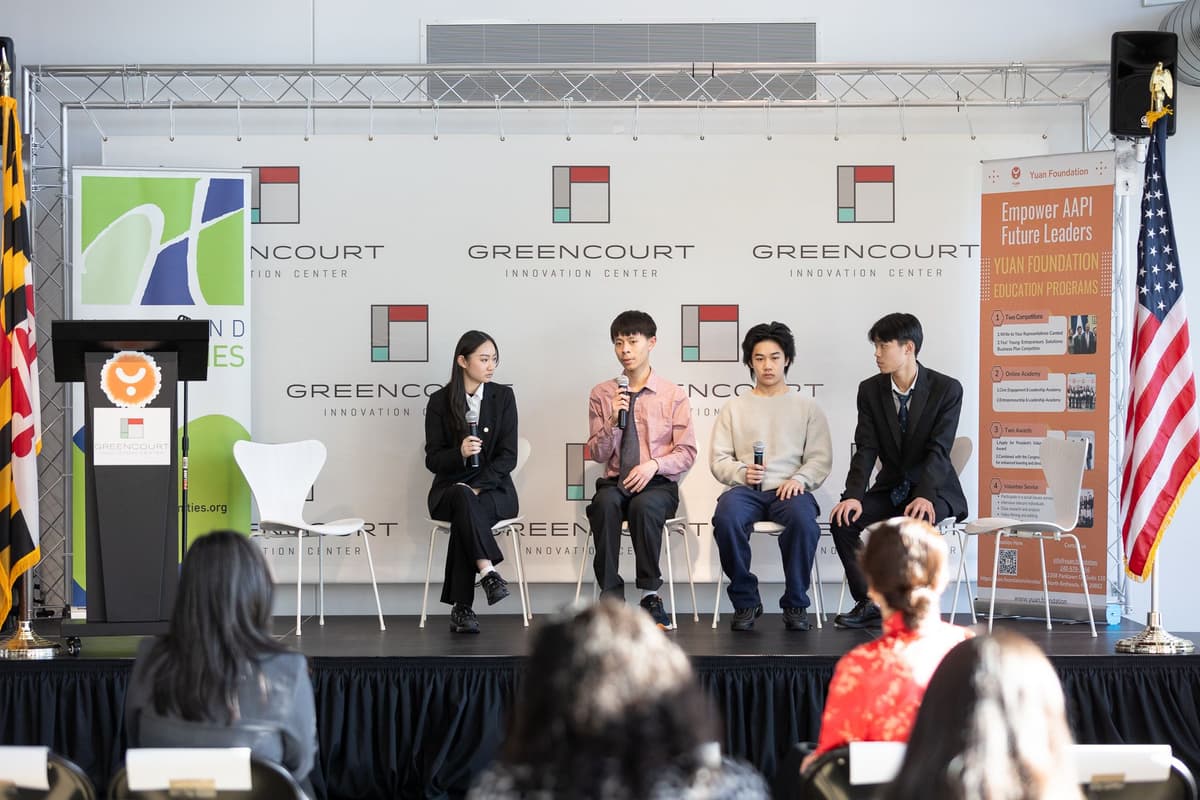
The third panel proved the most electrifying. Sophia Li, Kevin Geng, Phillip Zhu, and Andrew Ni presented research on adolescent sleep deprivation. Their findings showed that 72.7% of high school students sleep fewer than eight hours on school nights, with Asian students disproportionately affected.
Their policy proposal—mandating a start time no earlier than 8 a.m. for Maryland public high schools—has already reached the office of Senator Chris Van Hollen.
A classroom study had evolved into real-world advocacy.
A Generational Transfer of Power
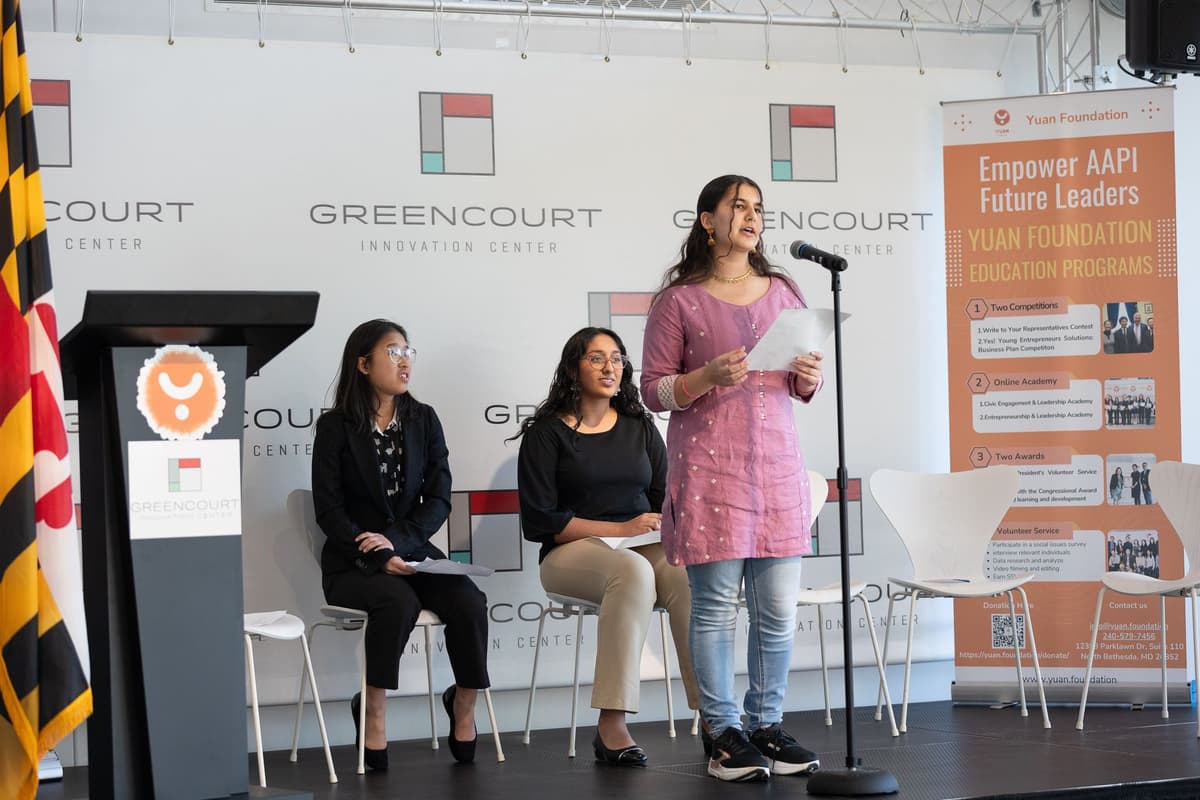
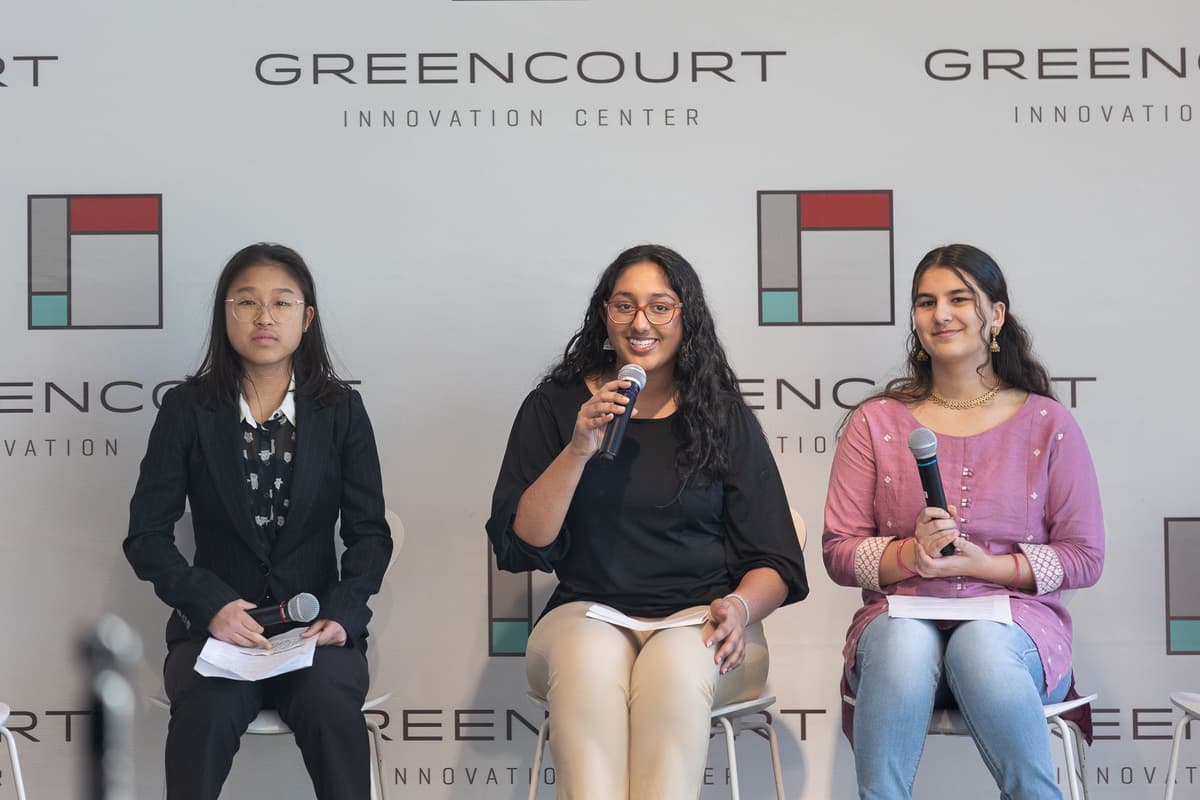
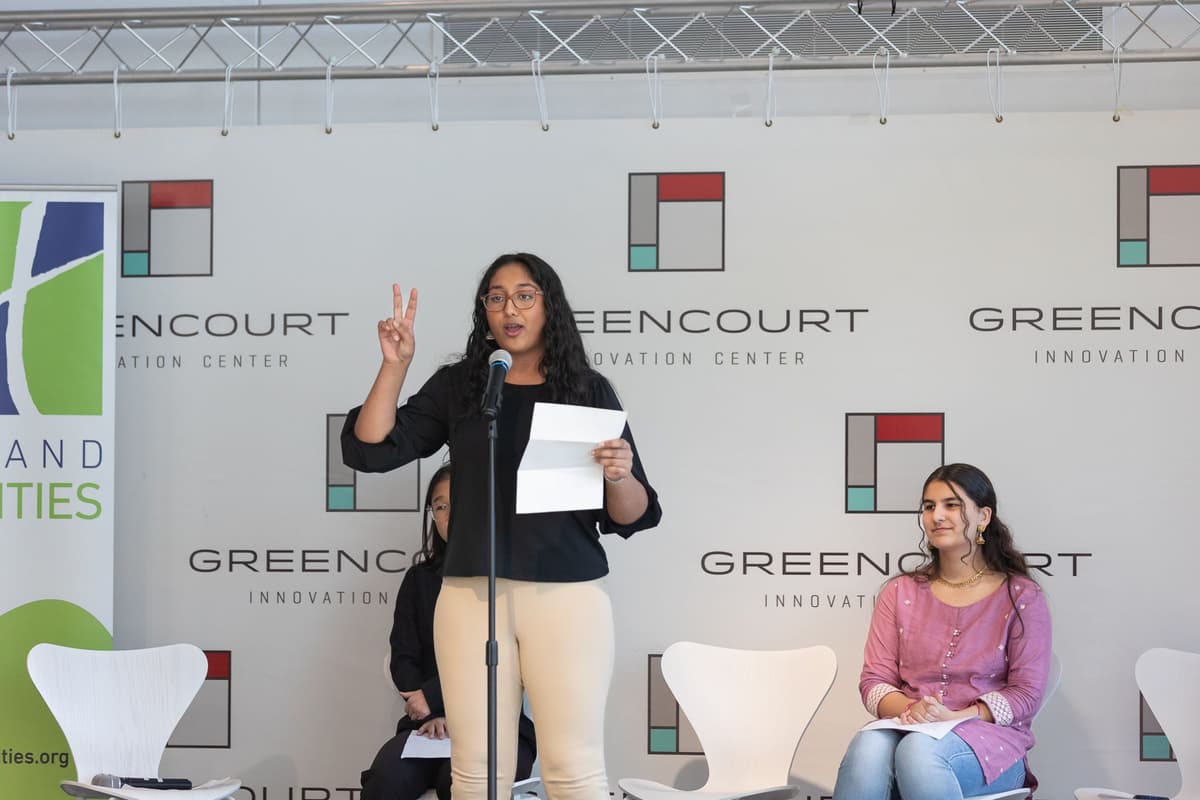
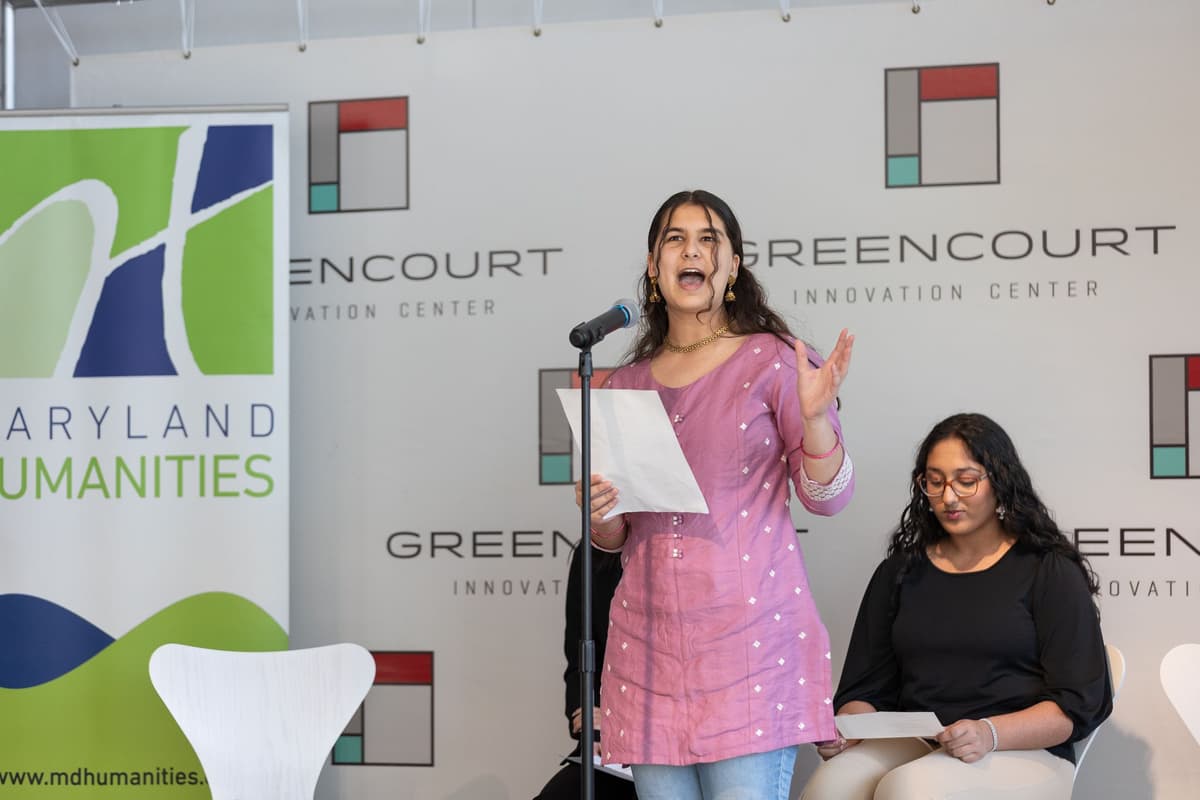
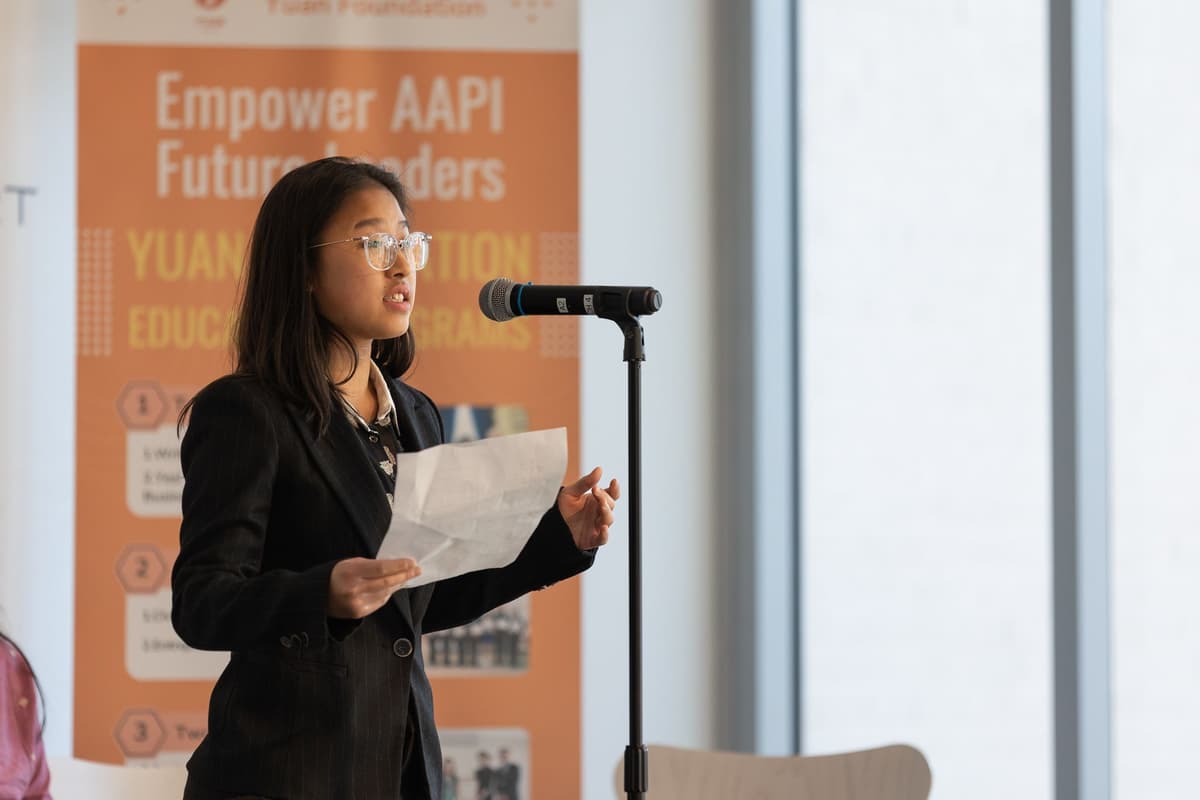
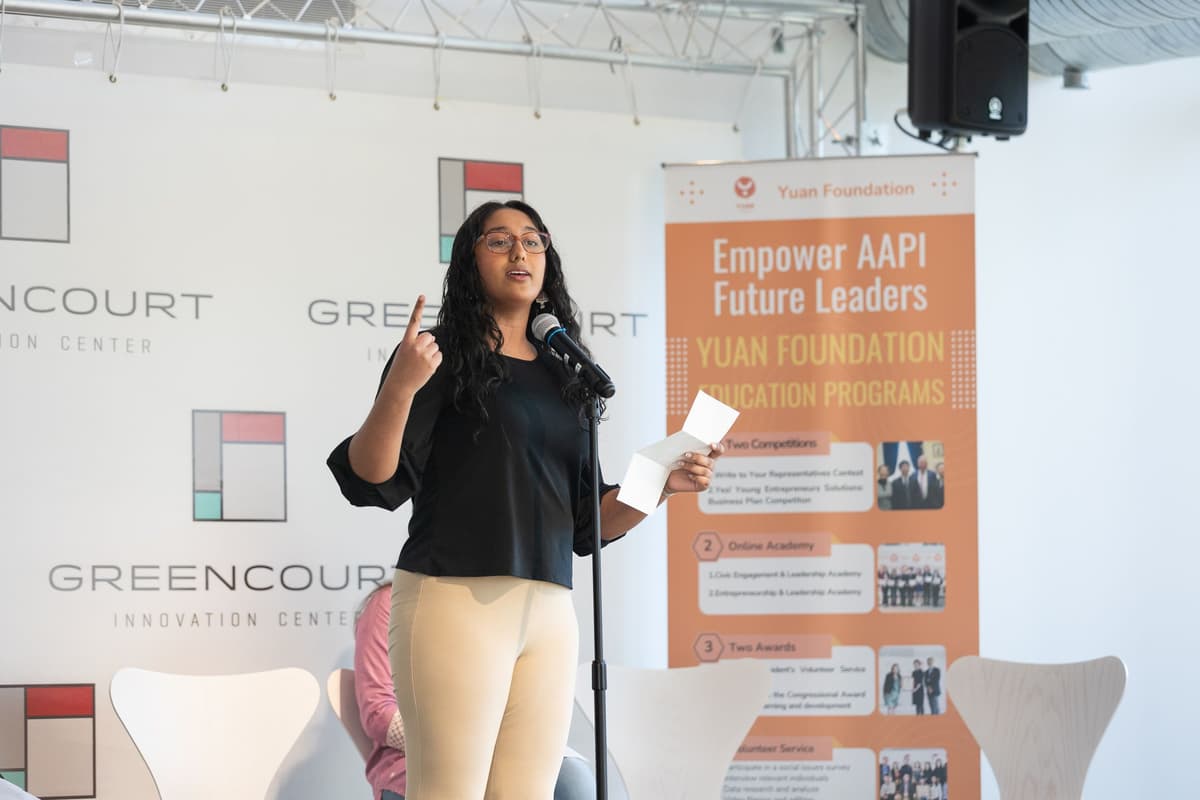
Before closing, three female high school students took the stage, winners of Maryland Humanities Poetry Out Loud and History Day programs, offering the youngest—and arguably sharpest—voices of the day.
Rather than grand narratives, they spoke candidly about mental health crises, academic pressure, and identity struggles among Asian American youth. Their clarity and logic revealed a new reality:
The next generation of Asian American leaders is not defined by quiet academic excellence, but by data literacy, policy fluency, and digital mobilization.
For many in attendance, it was a moment of profound recognition.
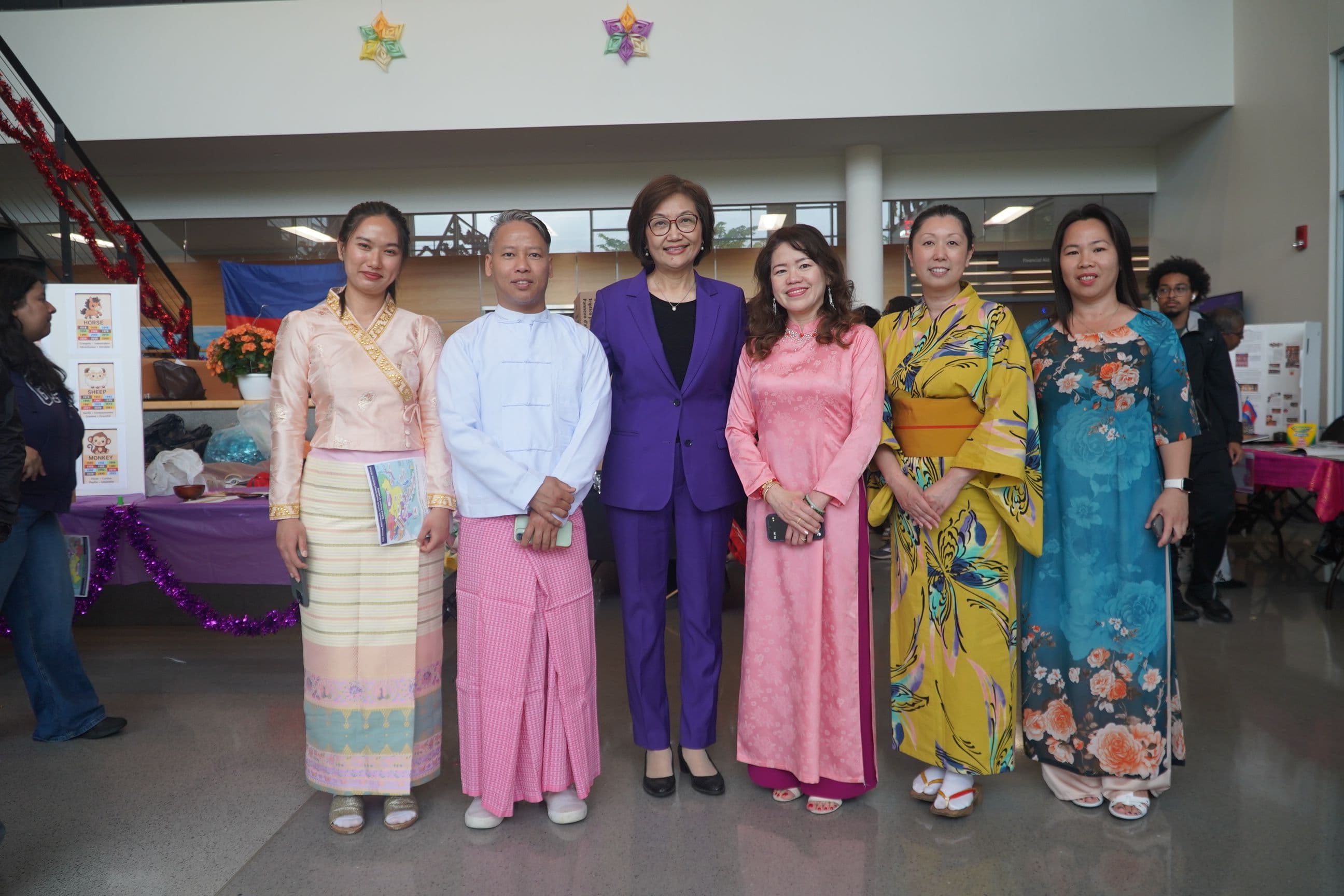
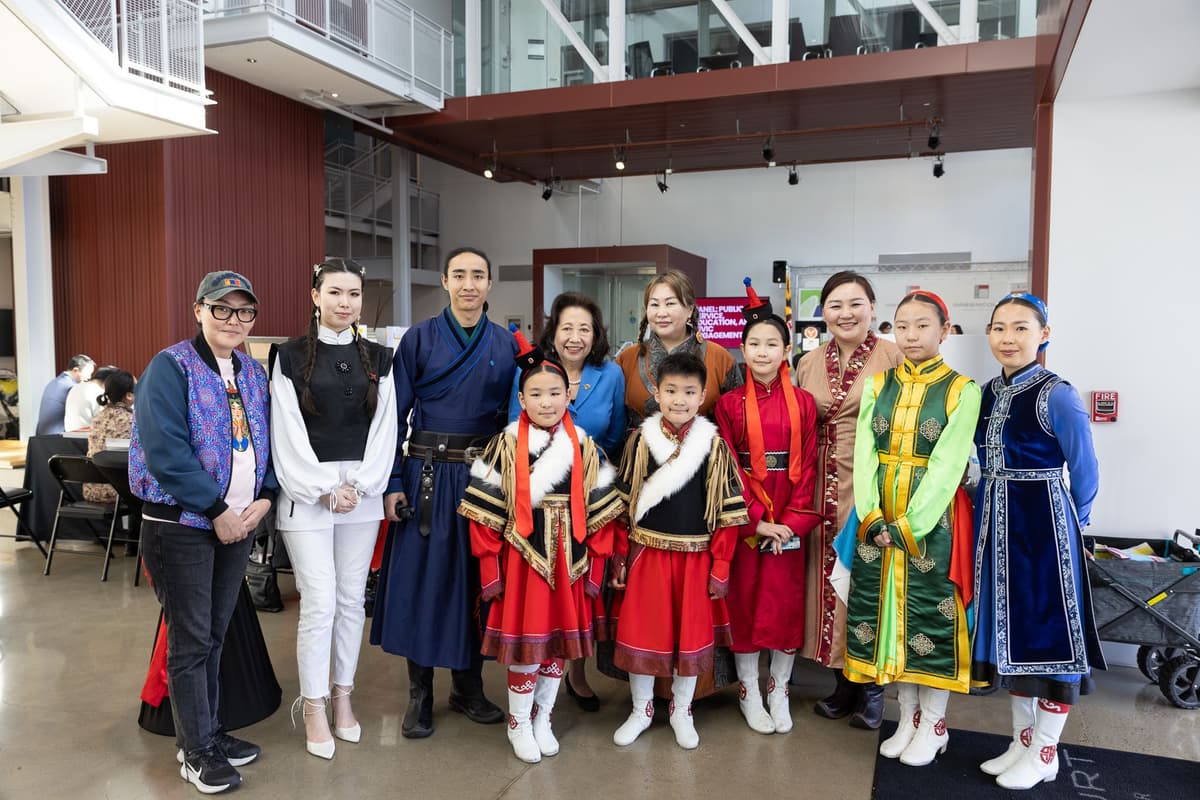
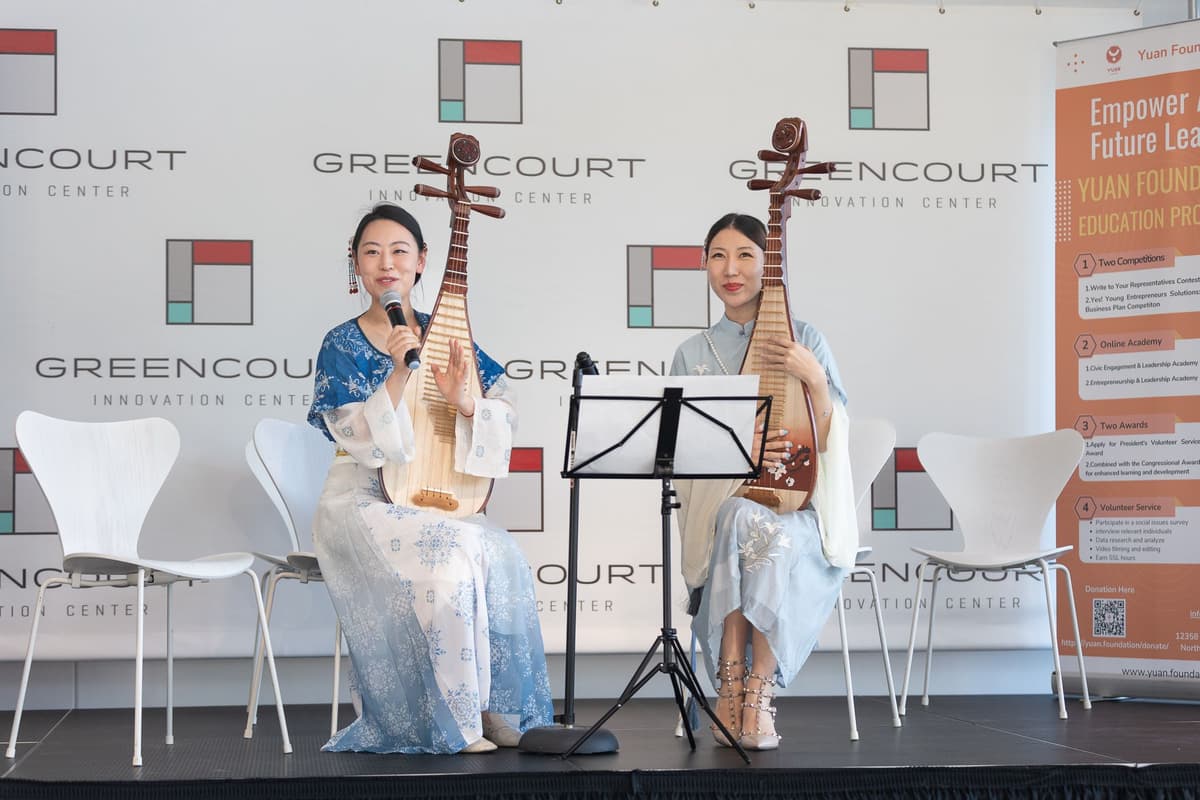
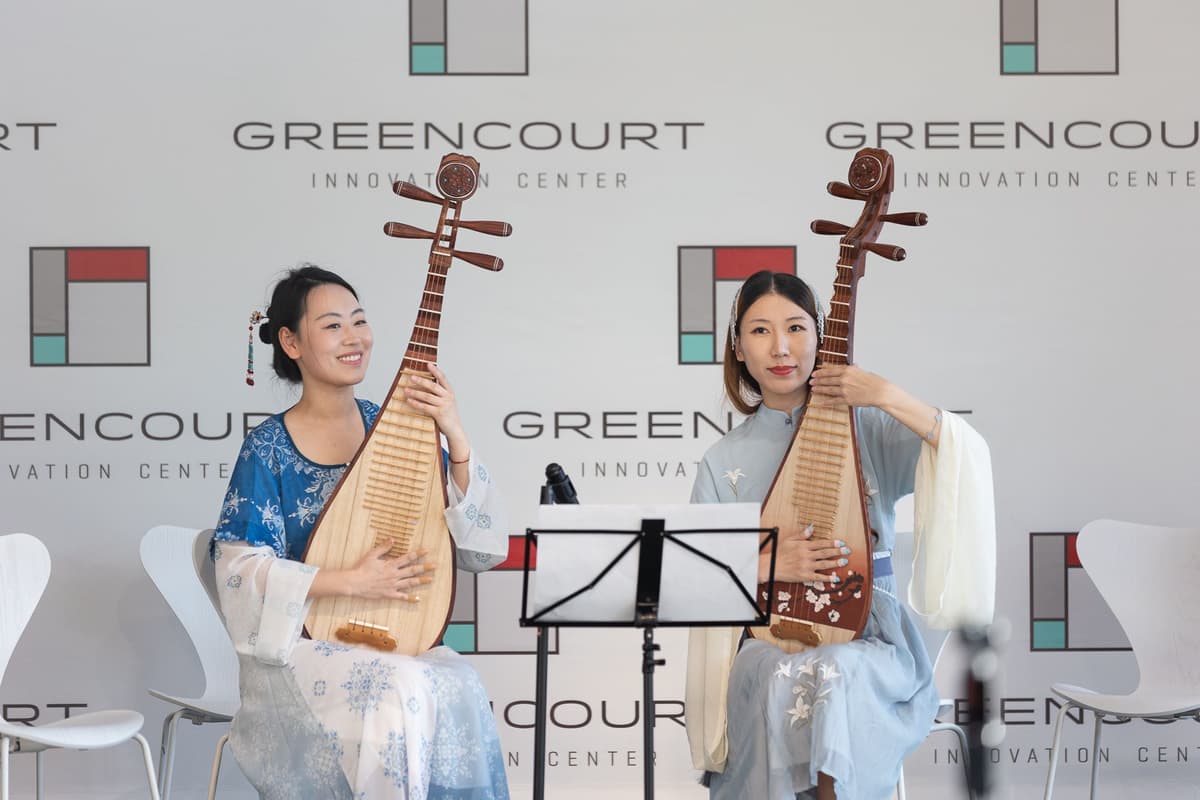
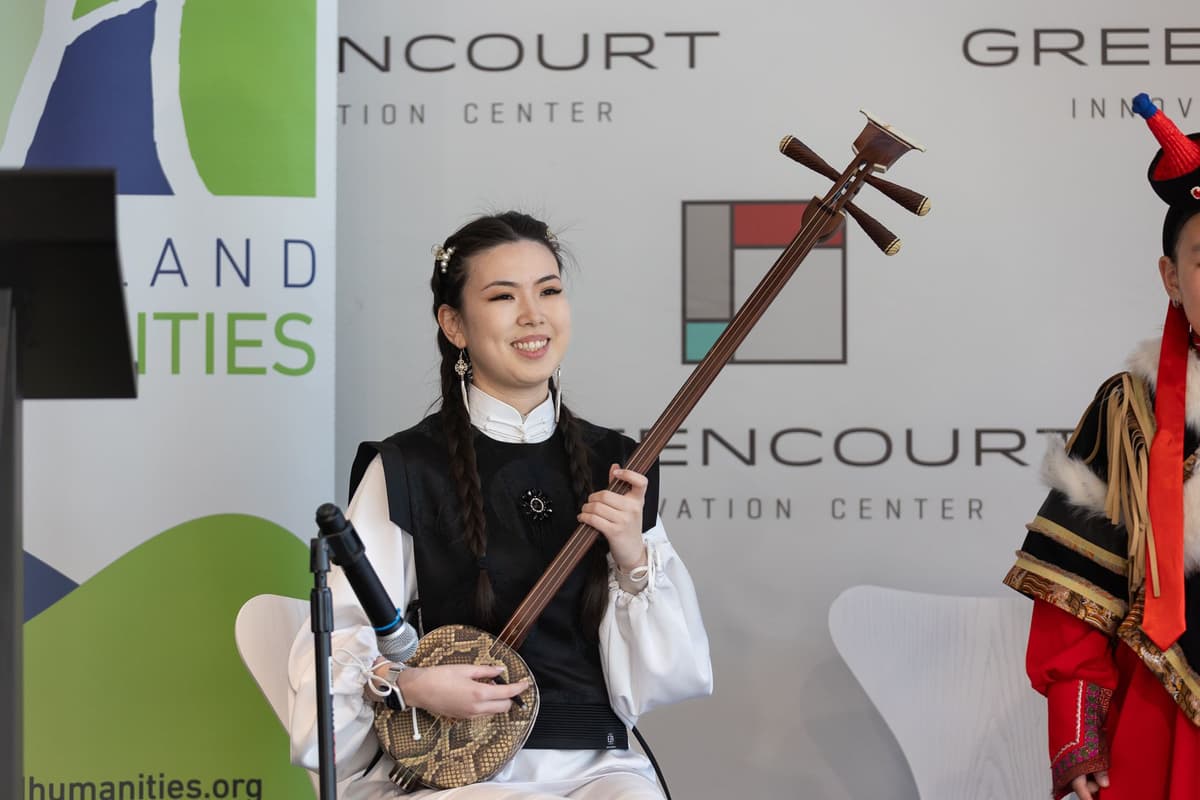
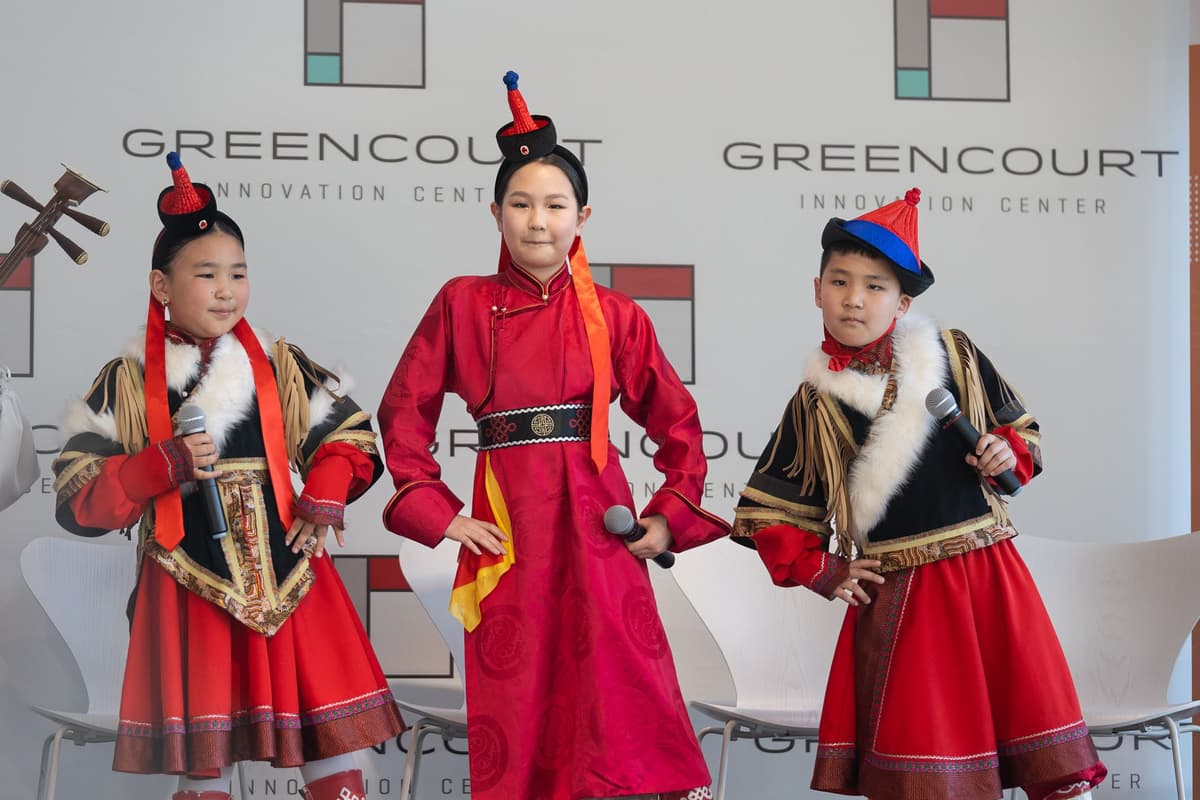
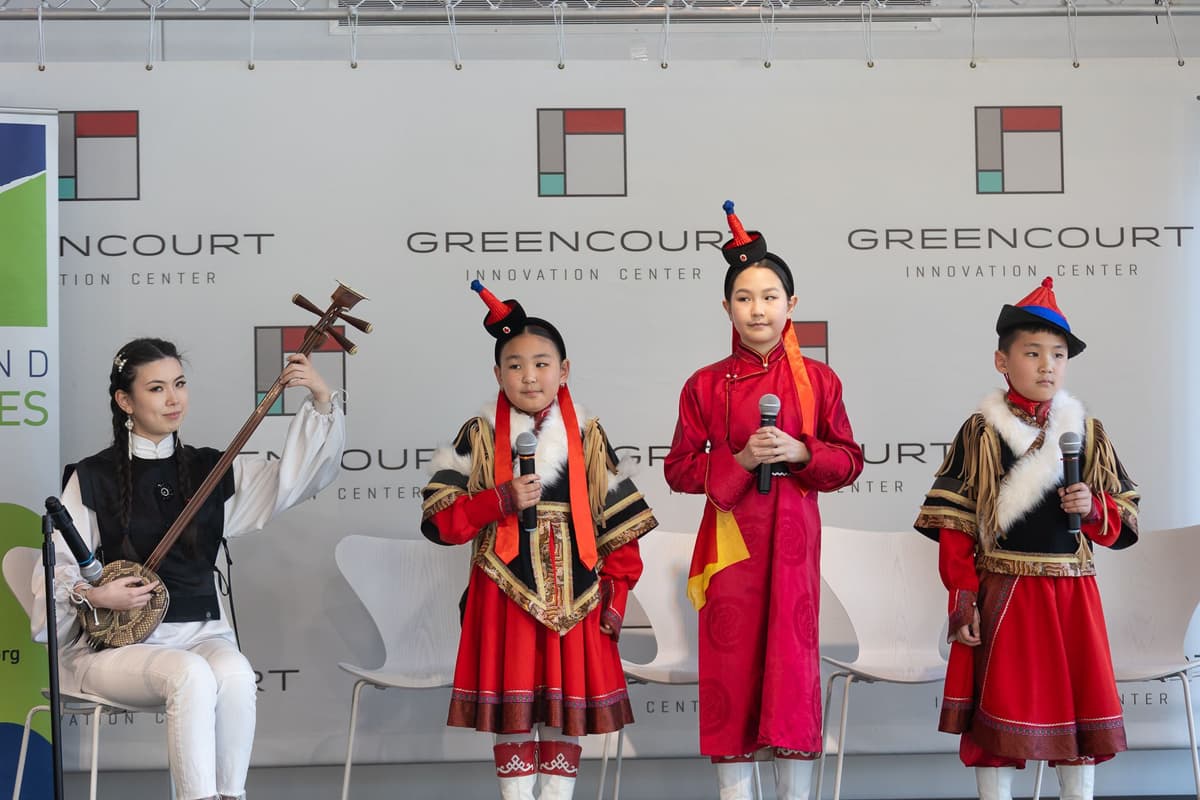
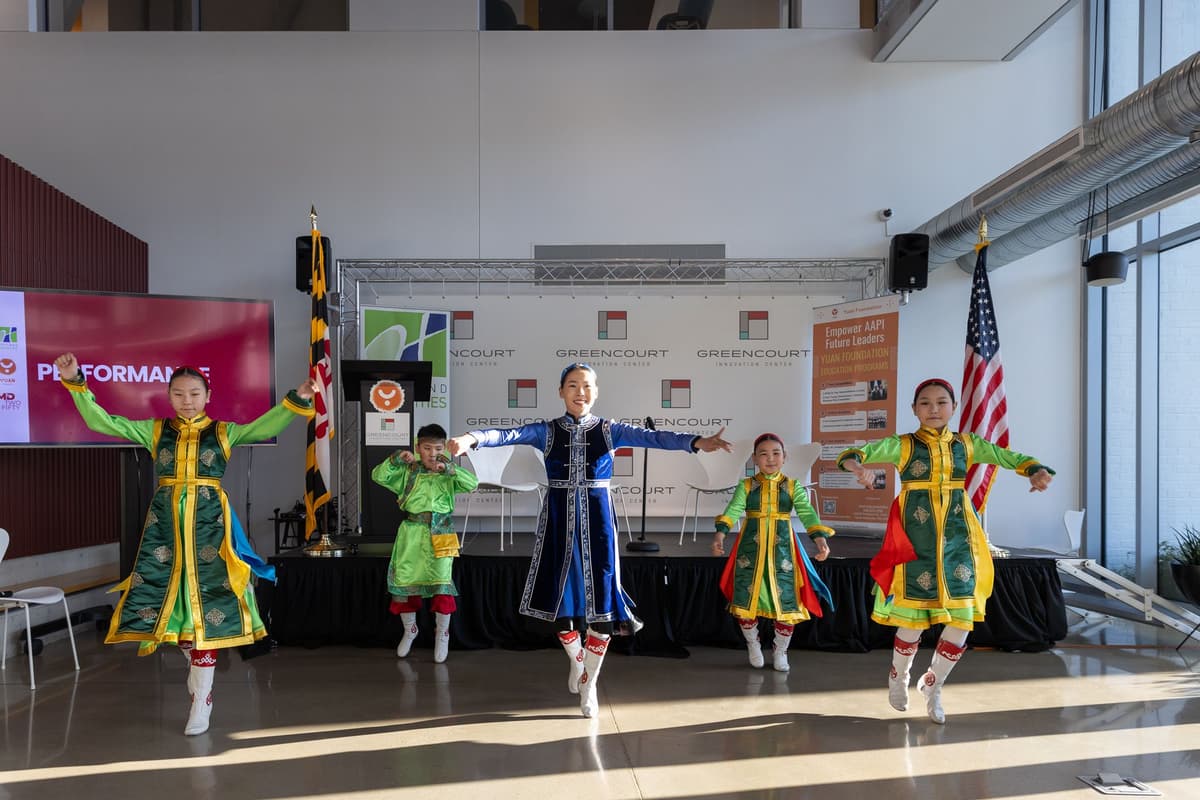
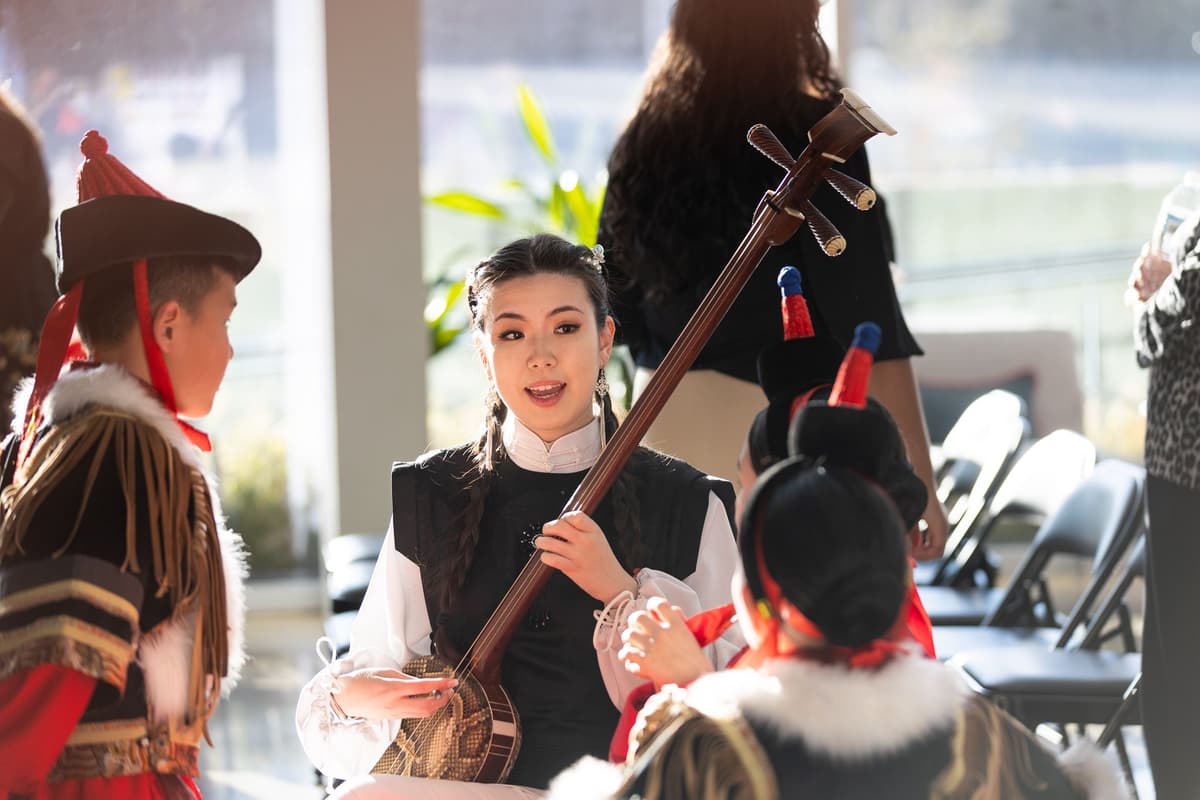
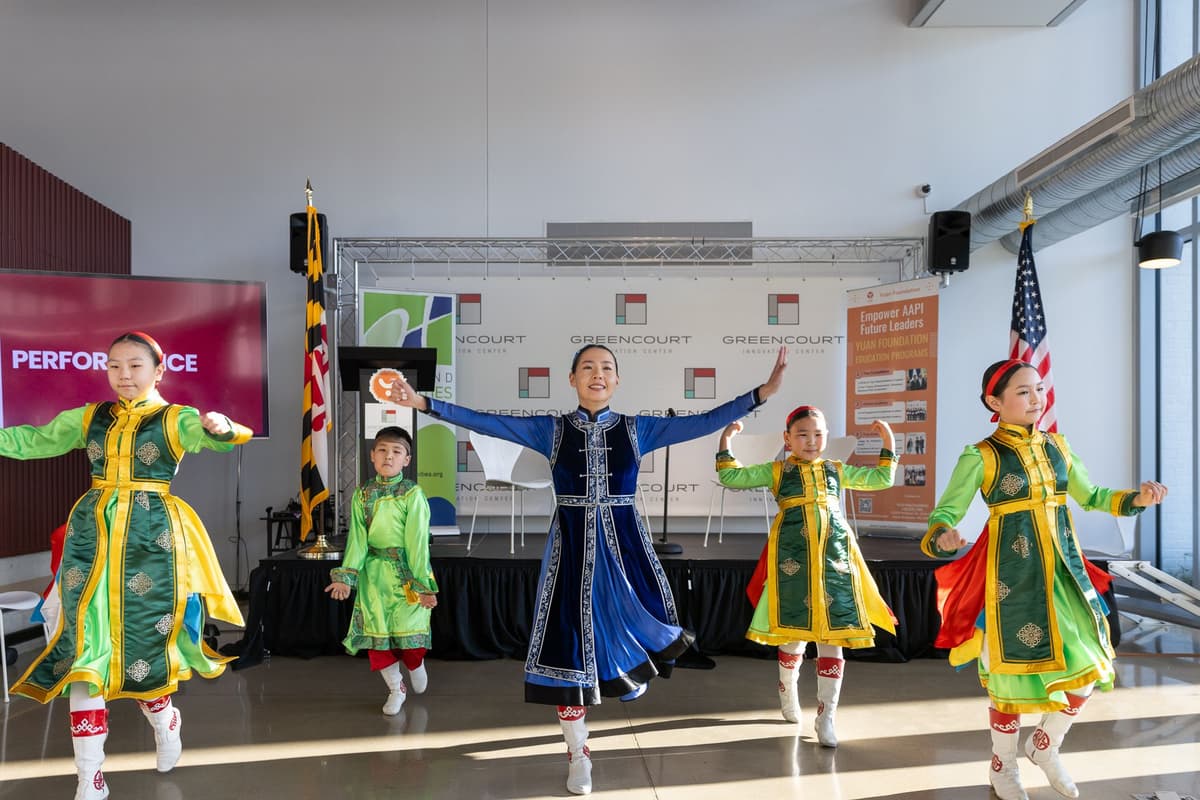
Finale: A Cultural Convergence The forum concluded with a multi-sensory celebration of cultural diversity. Two Chinese performers played the pipa, its crystalline tones echoing centuries of civilization within a modern space. Then, three Mongolian children from Mongol Erdem Language Culture School in Maryland, accompanied by a vocalist, performed traditional songs, evoking the vastness of the степpe. Their Mongolian dance followed, weaving rhythm and heritage into a vivid expression of intra-Asian diversity. Drums opened the event; strings closed it. Art completed what dialogue had begun.
A Declaration at a Historical Threshold
What unfolded in Rockville was more than a successful event.
It marked a moment of collective clarity: Asian Americans, at the nation’s 250th anniversary, are shifting to active authors of the narrative of our history to the center of public life.
Maryland Humanities’ “America 250 initiative focusing on dialogues by people" aims to institutionalize this transformation—moving from remembering history to shaping the future.
As the final notes of Mongolian song faded into the Rockville night, one question had already been answered:
In the next 250 years of the American story, Asian American voices will stand out.